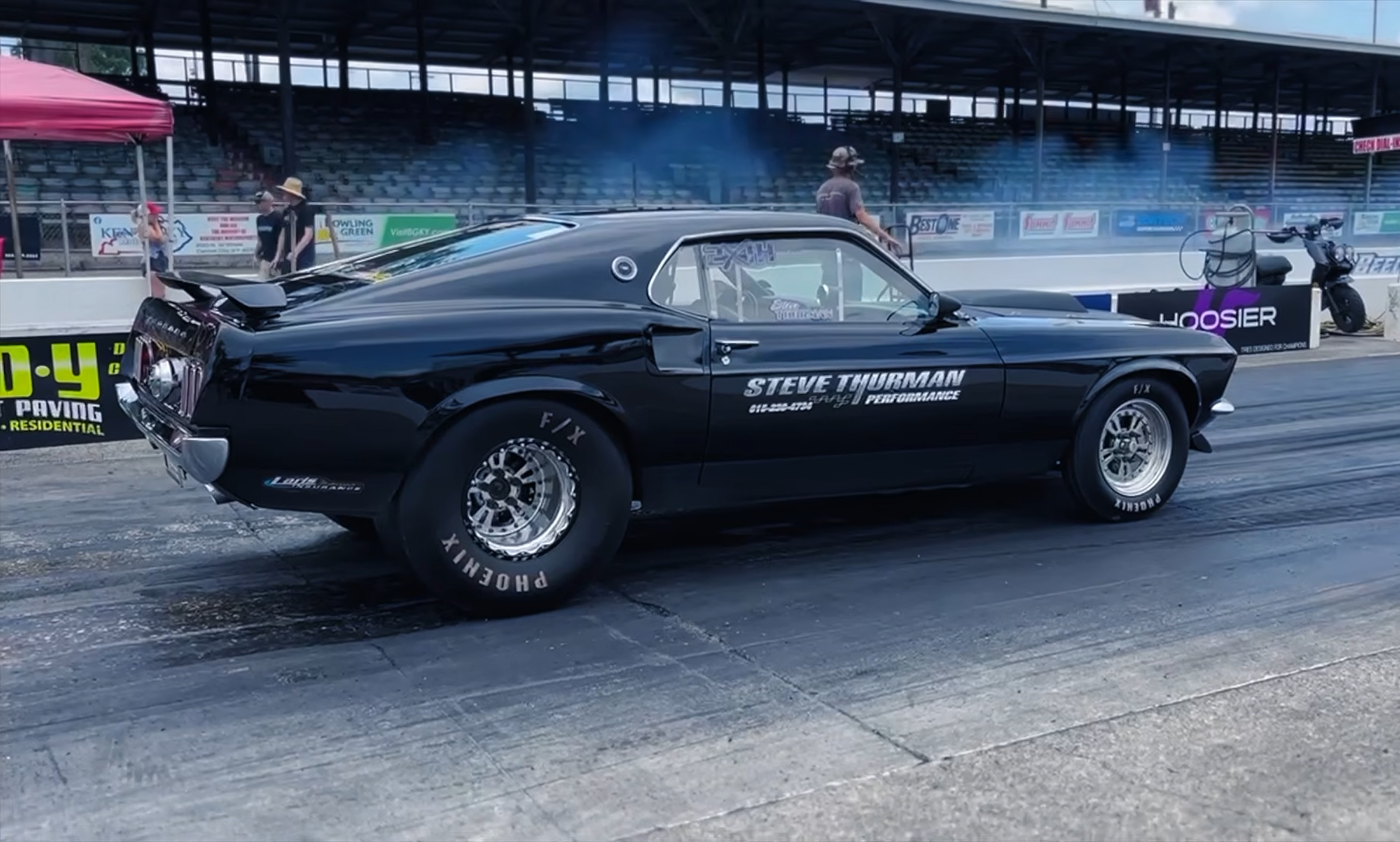
Some classic Mustangs spend their lives being restored, polished, and preserved. Others find a second life on the drag strip, where horsepower, tire smoke, and decades of mechanical development become part of their identity. Steve Thurman’s 1969 Ford Mustang Mach 1 belongs firmly in the latter category.
Owned by Thurman since 1983, the Mustang has evolved from a teenager’s daily driver and pizza-delivery car into a dedicated drag racing machine. More than four decades later, it remains a central part of his life, carrying not only a substantial amount of horsepower but also a collection of family memories that make it difficult to put a price on.
From Teenage Driver to Mustang Owner
Thurman acquired the Mustang when he was just 15 years old. Originally, he owned a 1965 Mustang, but his father wanted that particular car. His uncle offered an alternative: a running 1969 Mach 1 in exchange for the partially dismantled 1965 model.
Thurman accepted the deal and immediately began making the car his own, installing wheels, tires, interior components, and a stereo. After turning 16 and obtaining his driver’s license, the Mustang became his everyday transportation.
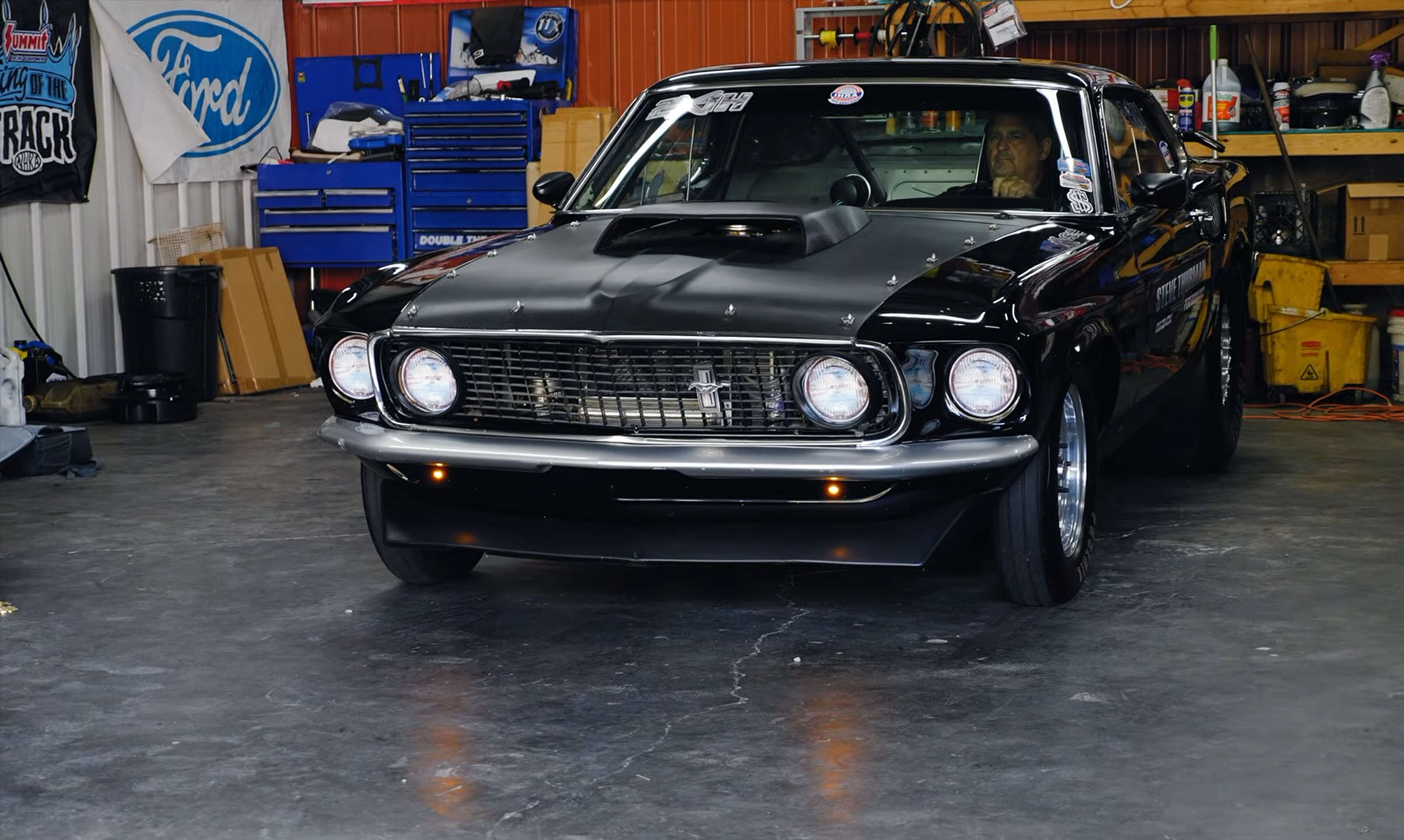
He also worked washing cars at Baker Motor Company, a Buick dealership in Gallatin, Tennessee, before taking a second job delivering pizzas for Domino’s. The Mach 1 became his delivery vehicle, carrying orders around town on busy Friday and Saturday nights.
What started as teenage transportation would eventually become a lifelong racing project.
Transforming the Mach 1 Into a Drag Car
With his father already involved in drag racing, Thurman naturally began taking the Mustang to the track. Initially, it remained street-driven, running capped headers and slick tires.
However, occasional racing quickly developed into a serious commitment. Thurman progressively upgraded the engine, transmission, rear axle, suspension, and racing equipment.
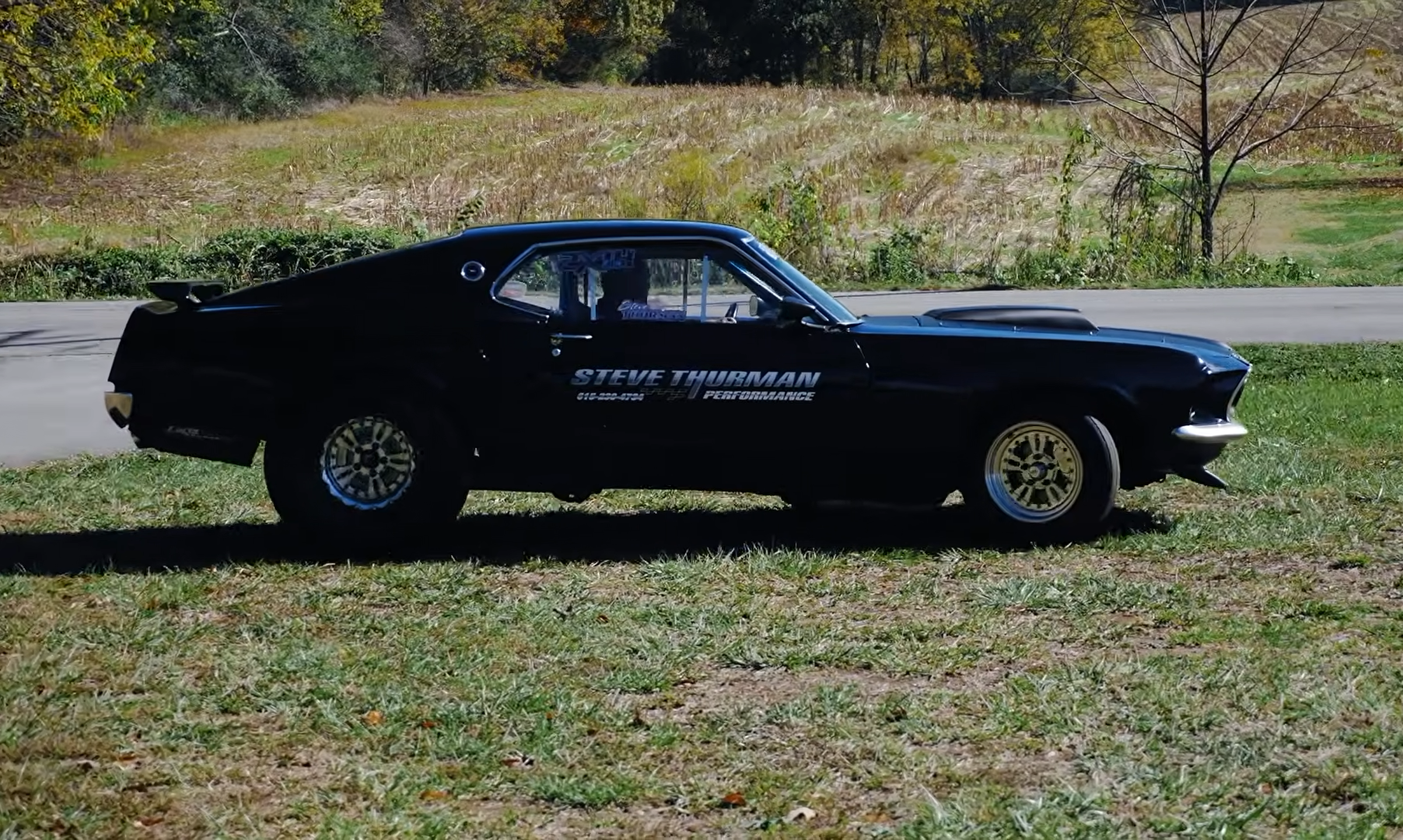
The introduction of electronic racing technology, including a delay box, marked another step forward. Eventually, the Mustang underwent a major transformation during a winter rebuild. Friend Rodney McCall handled the back-half conversion, installation of larger rear tires and a roll cage, Lexan windows, and gutted doors.
The result was a purpose-built big-tire drag racer.
414-Cubic-Inch Small-Block Ford Power
Power comes from a 414-cubic-inch small-block Ford based on a factory-style 351 block. The engine features an Eagle crankshaft and connecting rods, Mahle pistons, Trick Flow cylinder heads, and an Edelbrock intake manifold. An Enderle fuel-injection system handles fuel delivery.
The engine is paired with a BTE Powerglide two-speed automatic transmission featuring a transbrake and BTE torque converter.
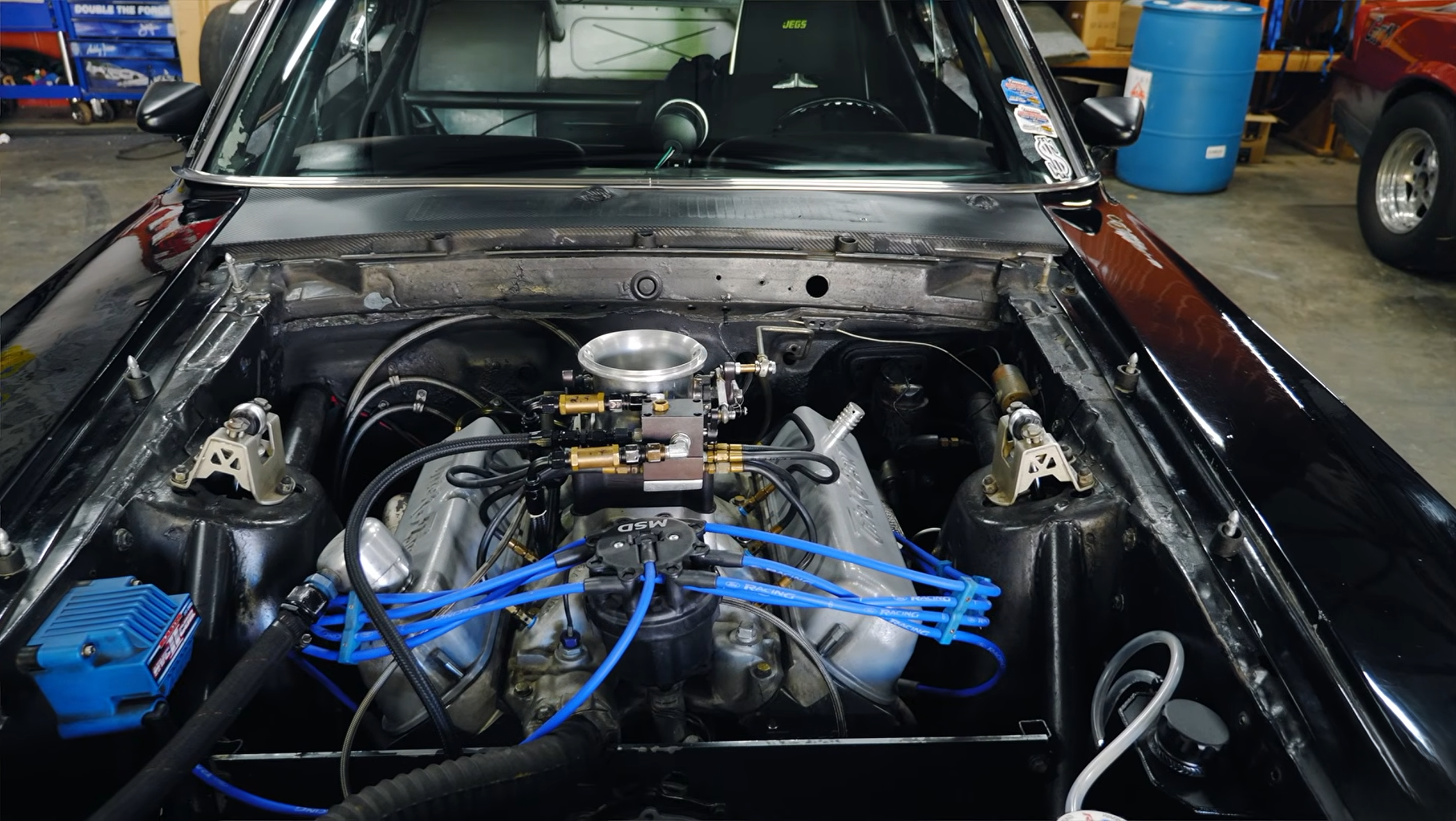
Power reaches the rear wheels through a Ford 9-inch rear axle equipped with 5.14:1 gearing. Double-adjustable shocks at all four corners help manage weight transfer, with Thurman personally responsible for setting up the chassis.
The Mustang runs on methanol, particularly during Tennessee’s hot and humid summers. Thurman favors it for its consistent performance and cooling characteristics, noting that the engine can operate without requiring a cooling fan under those conditions.
Learning to Control the Power
One particularly memorable experience occurred at Bowling Green, Kentucky, shortly after the current engine was installed.
Without the double-adjustable shocks used today, the Mustang launched so aggressively that its front end continued rising well beyond the starting line. With no wheelie bars, Thurman eventually had to touch the brakes to bring the car down, sending sparks flying as it contacted the track.
The experience reinforced the importance of suspension tuning and controlling the Mustang’s weight transfer.
A Family Affair That Continues
The Mustang’s story also includes Thurman’s daughter, Shelby, who has developed her own passion for drag racing.
The two have competed with different teams, Team Music City and Team Ethridge, and even faced each other in a final round. Shelby ultimately red-lit, giving her father the victory after some friendly competitive banter.
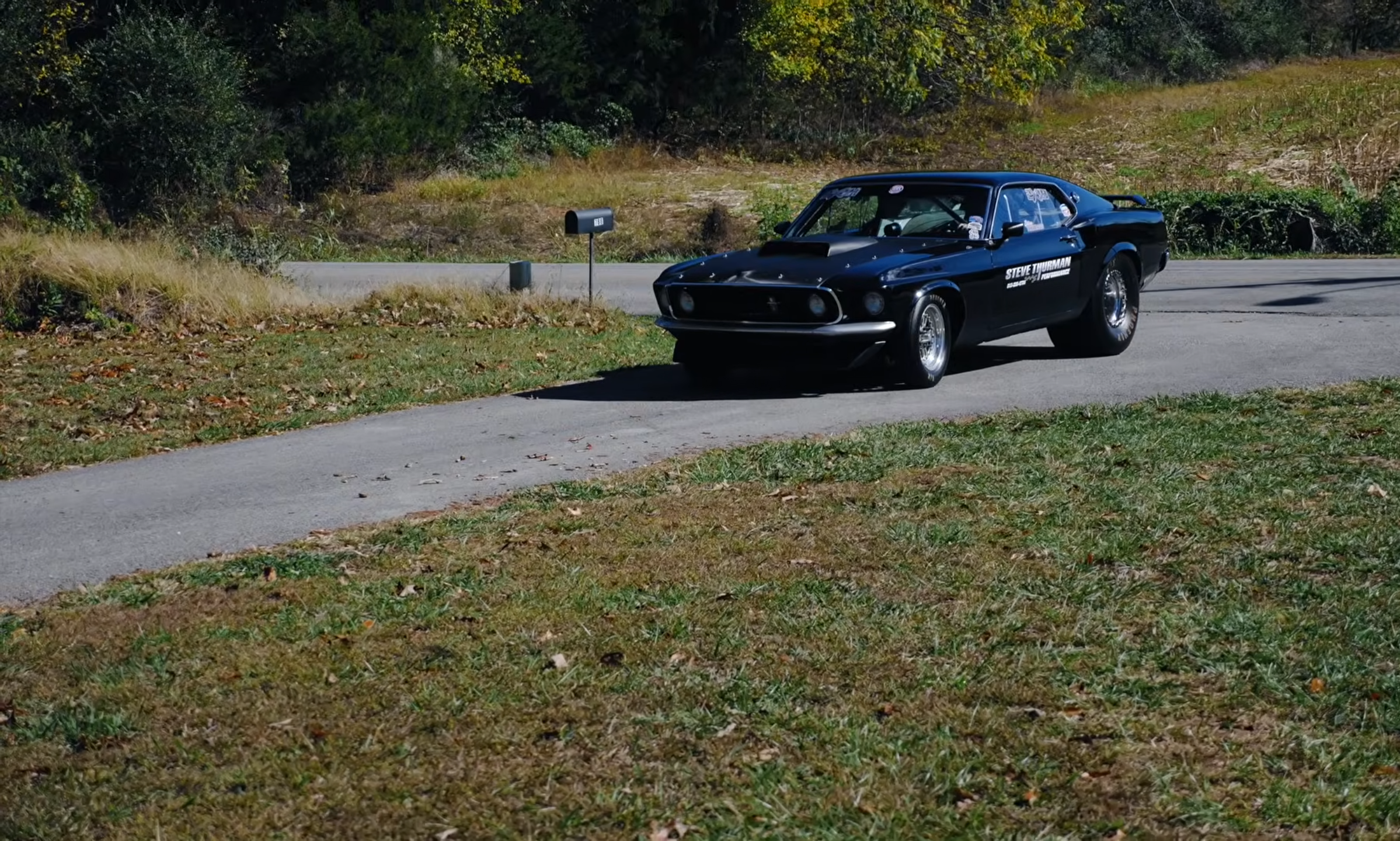
For Thurman, the burnout remains one of the most exciting parts of racing. Activating the line lock, spinning the slicks, and feeling the engine’s power immediately puts him into competition mode.
A Mustang Worth Keeping Forever
After more than 40 years of ownership, Thurman has no intention of selling his Mach 1. He considers it part of the family, and Shelby is expected to inherit the car when he eventually retires from racing.
From teenage pizza deliveries to competitive drag racing, this 1969 Mustang demonstrates how a classic muscle car can become something far more meaningful than a collection of performance parts.
For Thurman, it is a lifetime of memories, horsepower, and family tradition—and its story isn’t finished yet.