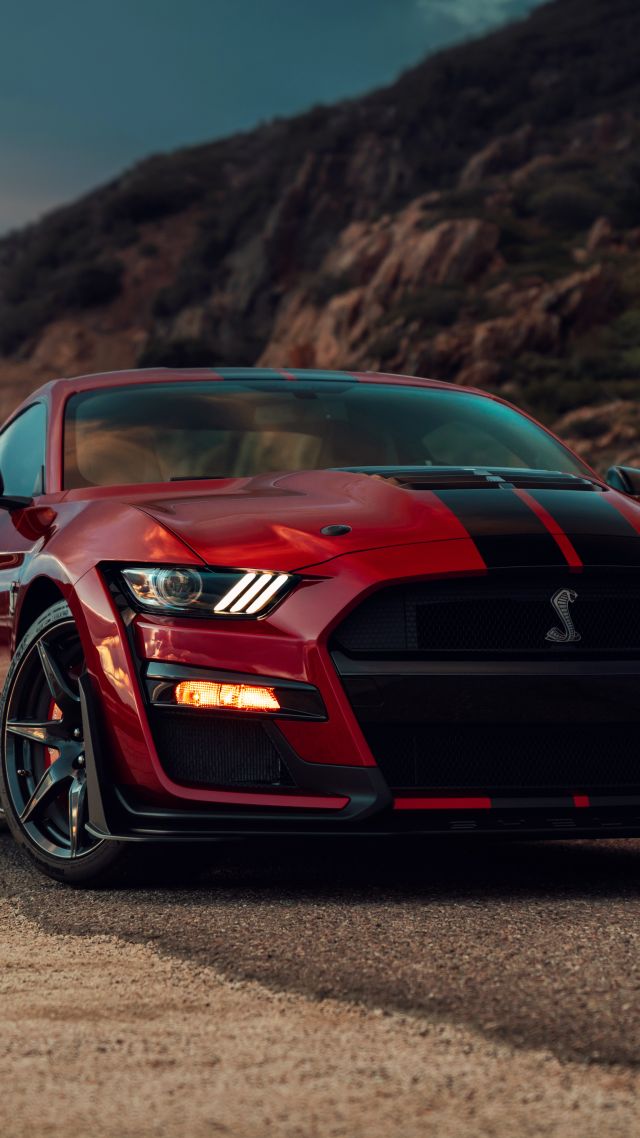

The 1960s represented a defining period in American automotive history, when horsepower became far more than a specification. It became a cultural statement. Ford’s Mustang stood at the center of that transformation, evolving from an affordable pony car into a platform capable of carrying some of the most formidable engines and performance hardware of the era.
Among the many Mustangs produced during the decade, five stand out for their combination of power, engineering ambition, racing influence, and rarity.
5. 1969 Ford Mustang Boss 429
The 1969 Mustang Boss 429 was developed primarily to satisfy NASCAR homologation requirements, forcing Ford to install its new 429-cubic-inch semi-hemispherical V8 into a production Mustang. The task required extensive structural modifications, with Mustang bodies sent to Kar Kraft in Brighton, Michigan, where the inner fenders were reworked and the shock towers widened to accommodate the enormous engine.
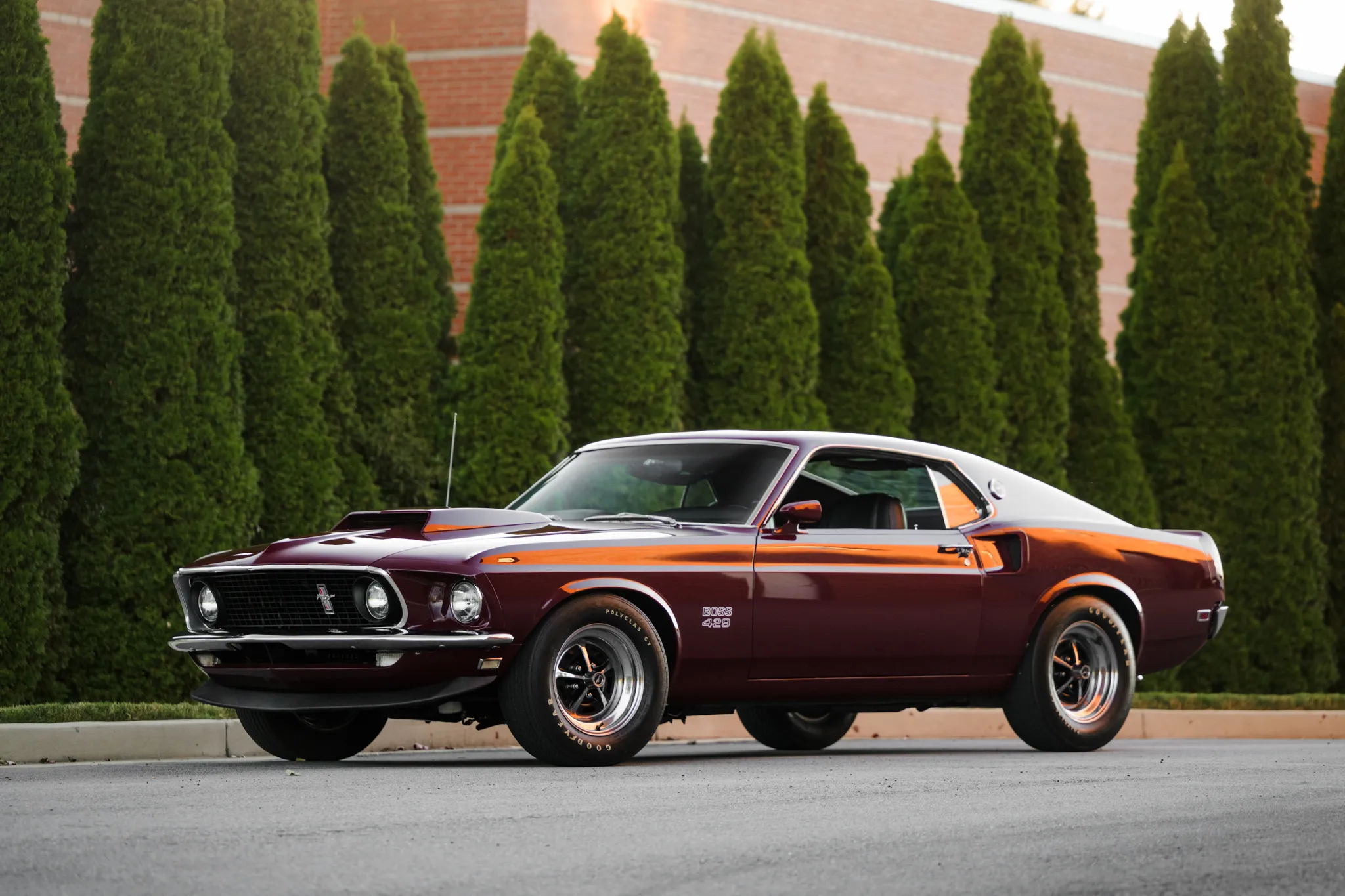
Ford officially rated the Boss 429 at 375 horsepower, although the source notes that these figures understated its potential. With its stripped-back equipment, including the deletion of air conditioning and other power accessories, the Boss 429 prioritized performance above convenience. Just 859 examples were built, making it one of the rarest and most intimidating factory Mustangs of the period.
4. 1968 Shelby GT500 KR 428 Cobra Jet
The Shelby GT500 KR—short for “King of the Road”—combined Shelby’s aggressive performance philosophy with Ford’s 428 Cobra Jet V8. Officially rated at 335 horsepower, the engine was widely regarded as considerably stronger in real-world output.
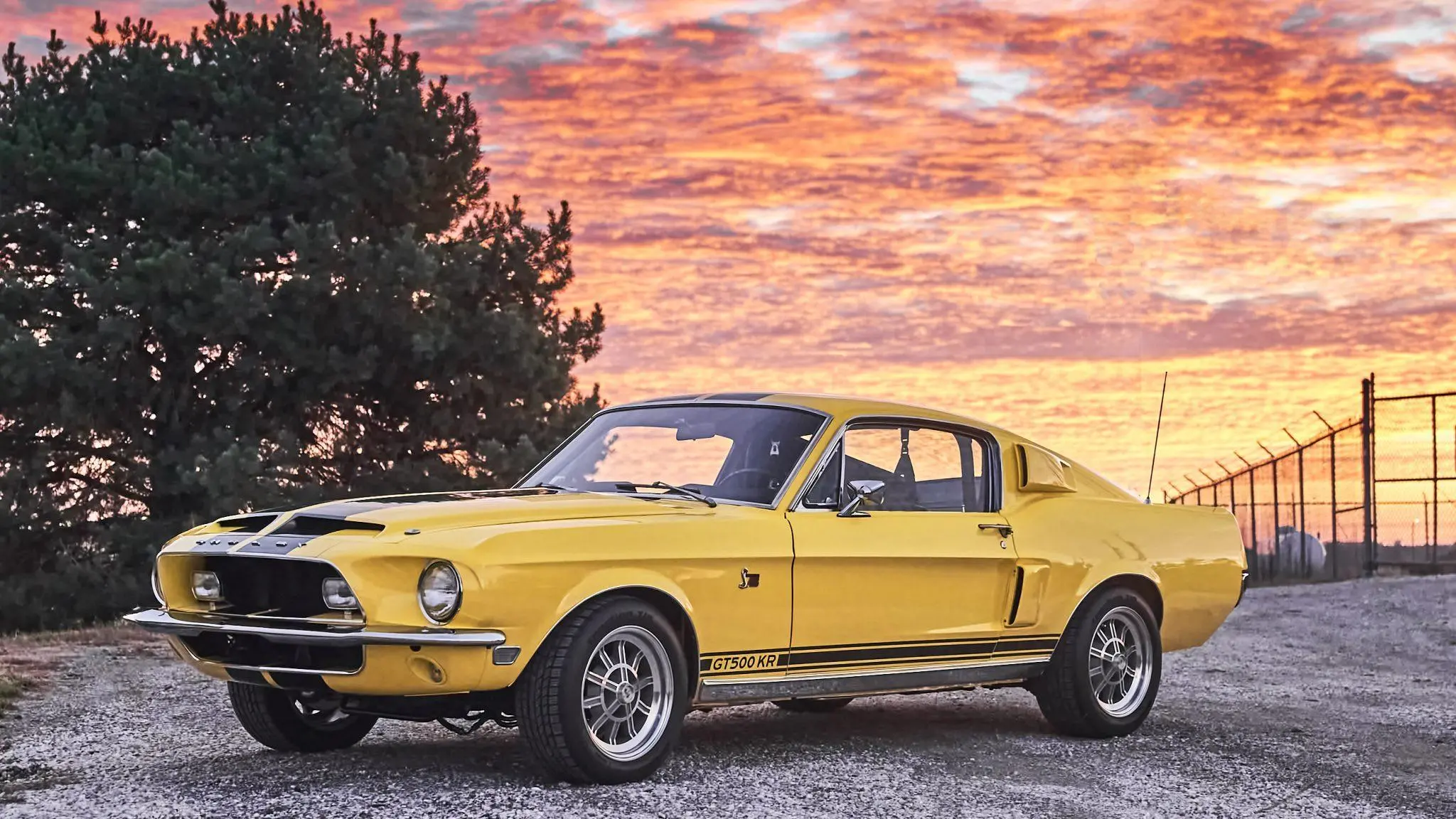
The GT500 KR paired its substantial power with unmistakable fastback proportions, a long hood, broad stance, and a deep V8 soundtrack. More than a luxury-oriented performance car, it represented the uncompromising character of late-1960s American muscle.
3. 1965 Shelby GT350R
The 1965 Shelby GT350R took the Mustang in an entirely different direction: ruthless weight reduction and competition-focused engineering. Shelby removed the rear seat, carpeting, sound insulation, and other nonessential equipment, replacing them with racing-oriented hardware and a 289-cubic-inch V8 producing more than 350 horsepower.
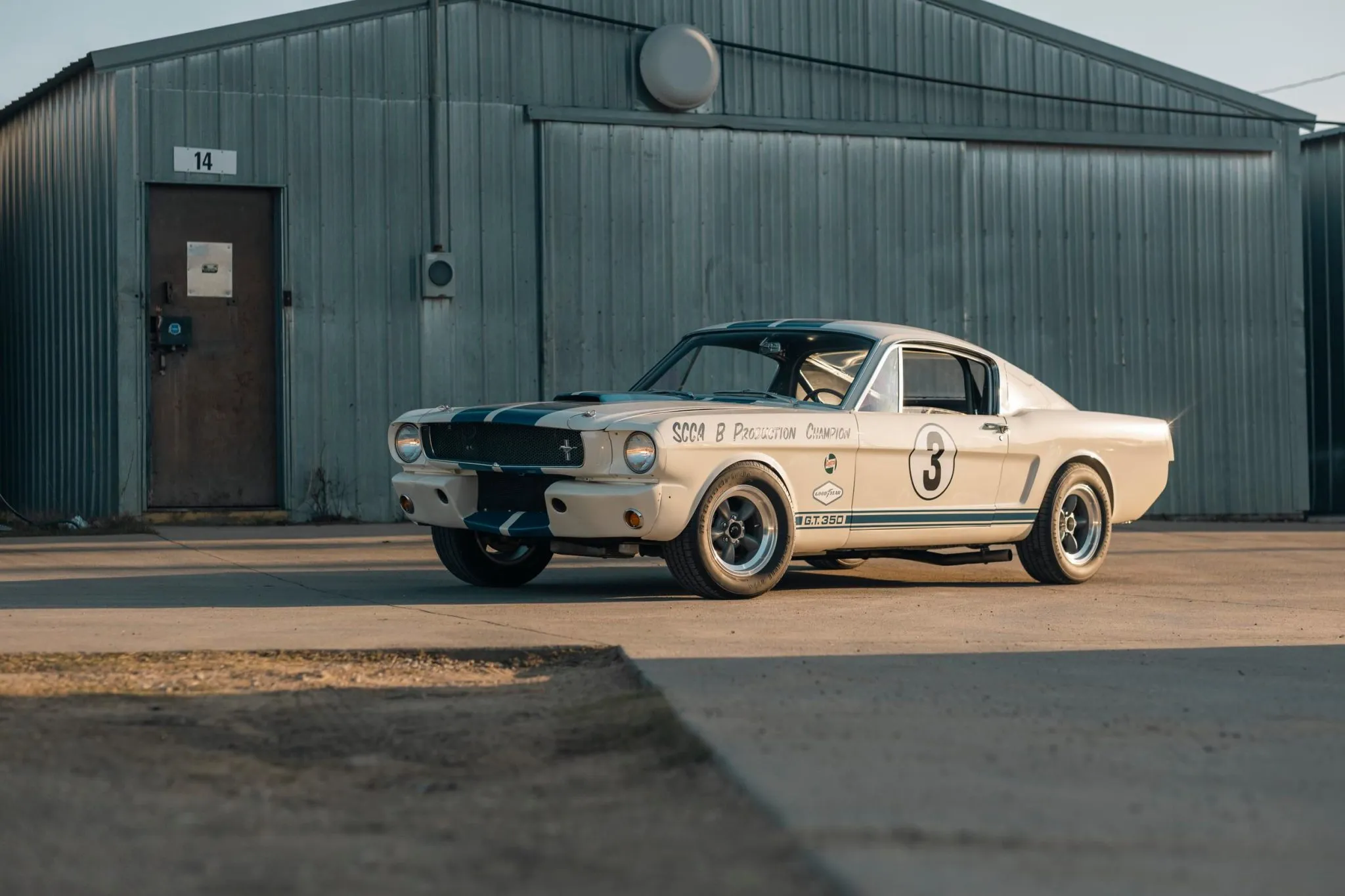
With only 36 examples produced, the GT350R was exceptionally scarce. Its lightweight construction, competition preparation, and track-focused configuration helped establish the Mustang as a legitimate performance contender against European sports cars. It was engineered around racing rather than comfort, and its reputation was built on competition success rather than showroom presentation.
2. 1969 Mustang Mach 1 428 Super Cobra Jet Drag Pack
The 1969 Mach 1 428 Super Cobra Jet Drag Pack was designed to deliver serious quarter-mile performance while retaining the outward appearance of a conventional Mach 1. The Drag Pack added equipment intended to withstand repeated high-load operation, including a remote oil cooler, heavy-duty drivetrain components, and aggressive 3.91 or 4.30 rear-axle gearing.
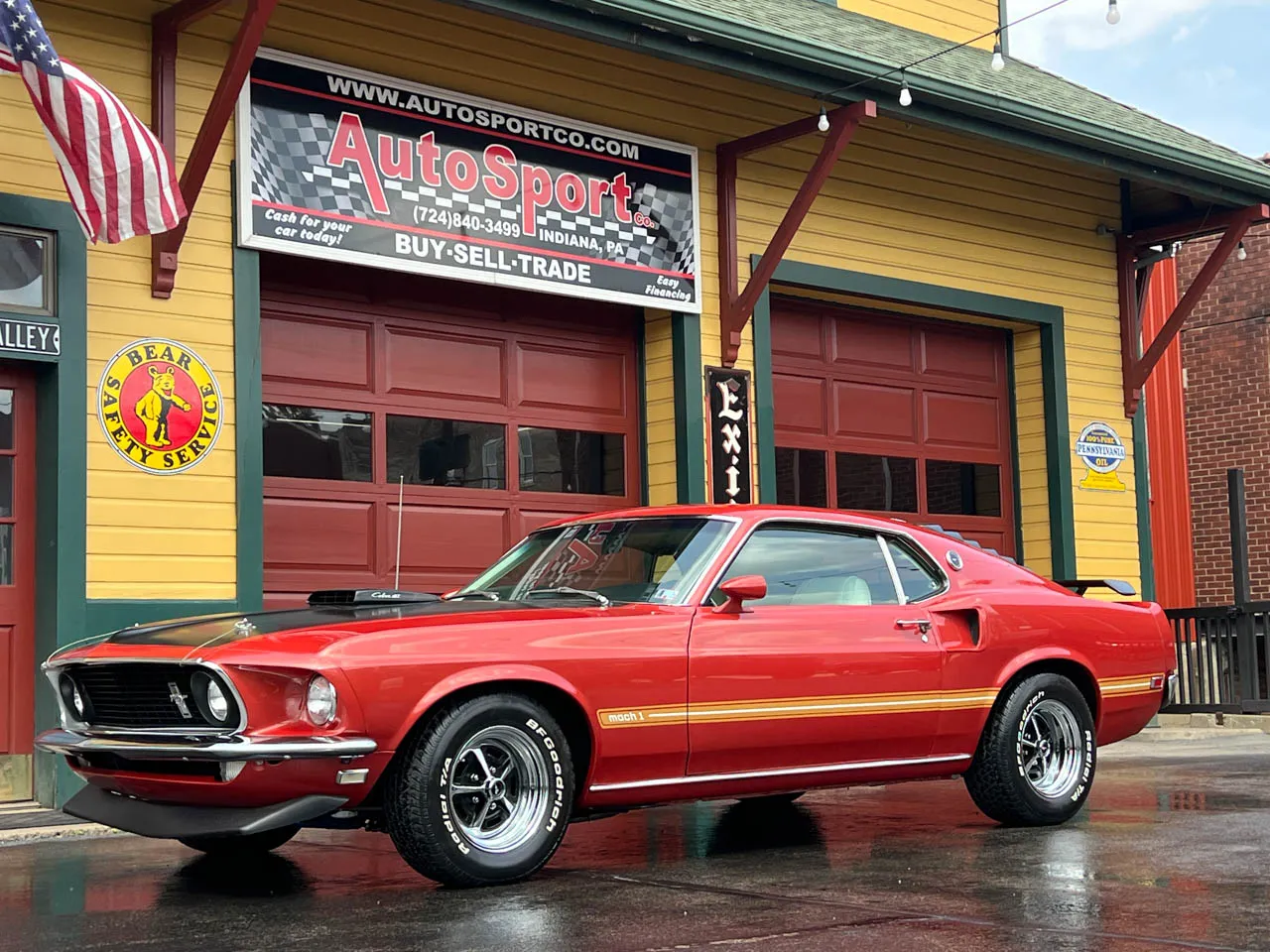
Its 428 Cobra Jet engine was officially listed at 335 horsepower, although the source characterizes its real-world performance as substantially greater. The combination created a formidable street and drag-strip machine capable of challenging contemporary Chevrolet and Chrysler muscle cars.
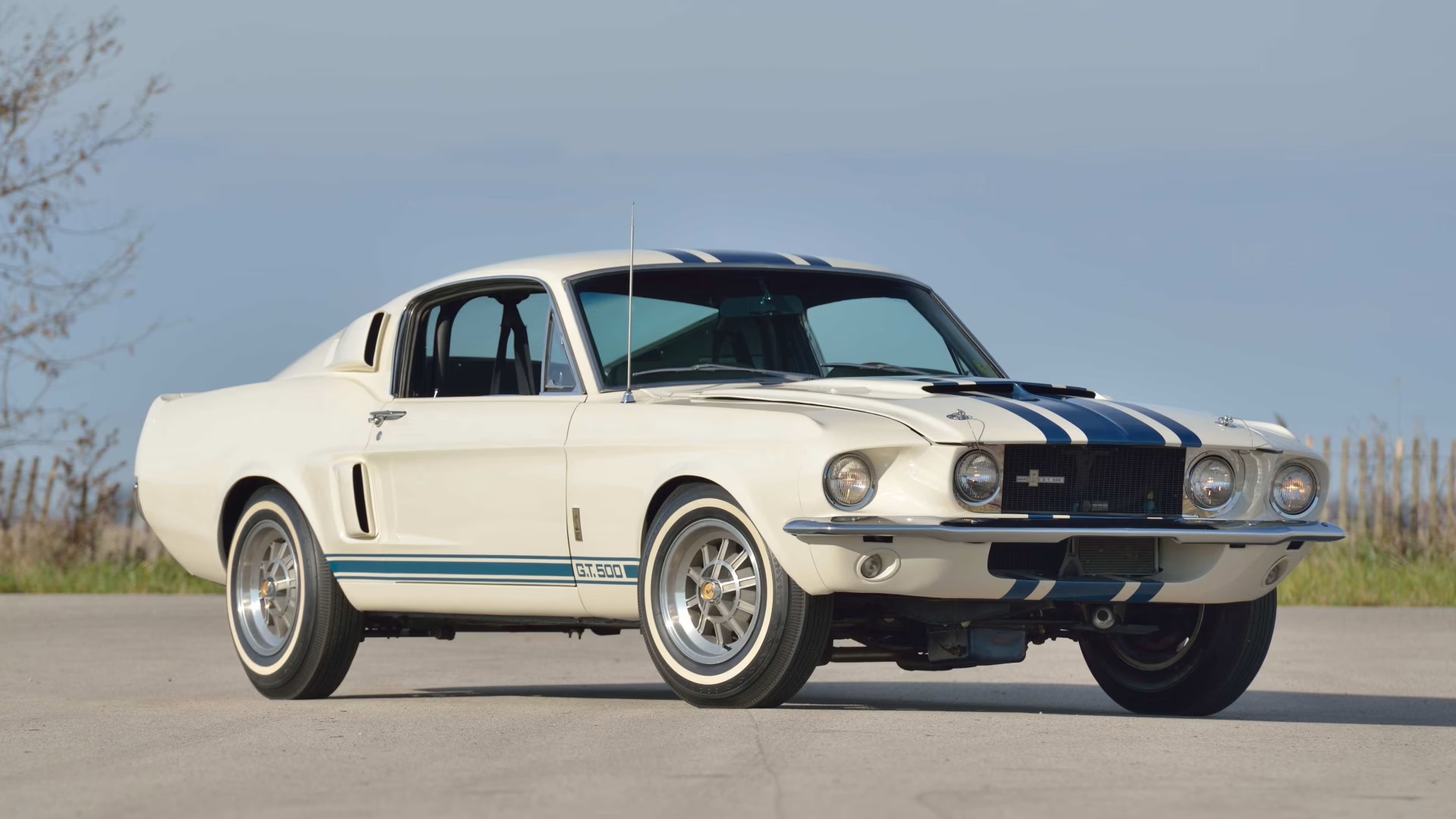
1. 1967 Shelby GT Super Snake
A Decade Defined by Performance
These five Mustangs illustrate how dramatically Ford pushed the platform during the 1960s. From homologation specials such as the Boss 429 to competition-focused Shelby variants and brutally equipped Cobra Jet models, the Mustang became a canvas for experimentation with displacement, weight reduction, gearing, and racing technology.
Their importance extends beyond horsepower figures. Each represents a different interpretation of performance—NASCAR homologation, road-racing preparation, drag-strip dominance, or low-volume engineering experimentation. Together, they capture the uncompromising spirit of the American muscle-car era and explain why these Mustangs remain among the most influential performance cars of the decade