

Number 27 takes a closer look at the engineering story behind the Fox platform and how it reshaped the Ford Mustang’s trajectory. This analysis explores the shift toward more modern suspension, evaluates its real-world performance against earlier models, and considers whether importing these American classics into Europe still makes sense for enthusiasts today.
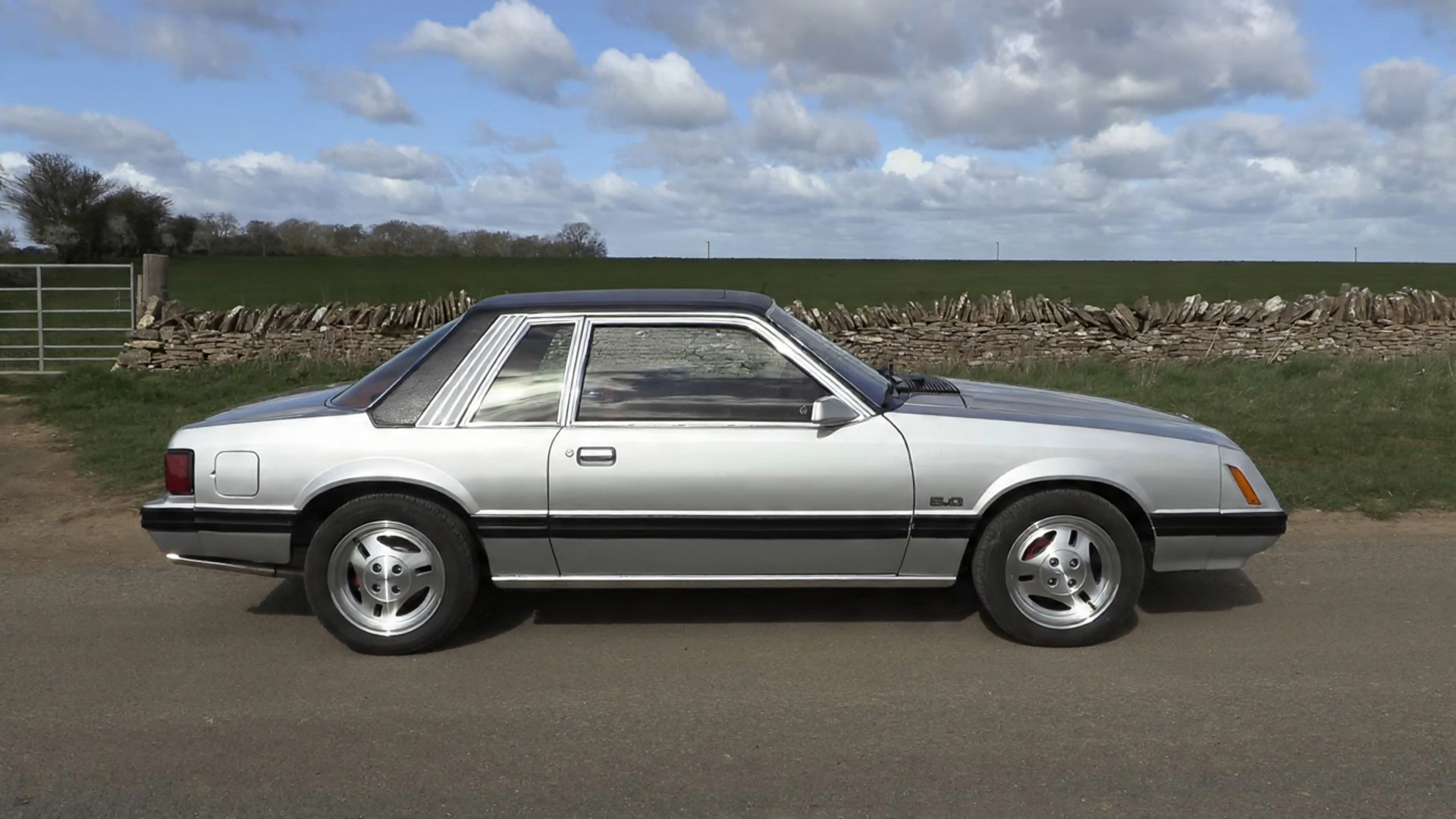
The Fox Body Mustang quickly became a favorite among enthusiasts. Its lightweight construction, simple design, and vast parts availability made it easy to modify, while its roomy engine bay welcomed countless upgrades. Following the disappointing Mustang II, it marked a clear return to performance, with more power and improved handling.
The Fox Platform Revolution
Introduced in the mid-1970s, the Fox platform was Ford’s answer to these challenges. Designed as a versatile, global architecture, it underpinned a wide range of models—from sedans to luxury cars—but its most significant application was the Mustang.
Compared to the Mustang II, the Fox Body represented a major leap forward. It was lighter by around 100 kilograms, yet more spacious, safer, and more aerodynamic. Crucially, it adopted a coil-spring, four-link rear suspension, replacing the outdated leaf-spring setup. This change dramatically improved handling and composure, signaling a return to genuine driving capability.
Engine options ranged from modest four-cylinders to a 5.0-liter V8. While early outputs may seem modest by modern standards, the platform’s tuning potential quickly became one of its defining strengths. Even basic modifications could unlock significantly more performance, cementing its reputation among enthusiasts.
Variants and Forgotten Experiments
The Fox Body Mustang was offered in several trims, including base, luxury-oriented models, and the sportier Cobra variant. While the Cobra featured aggressive styling, its performance upgrades were often more cosmetic than mechanical.
One of the more obscure chapters in its history is the McLaren M81 Mustang. Equipped with a turbocharged 2.3-liter engine tuned for higher output, it promised something unique. However, with only a handful produced due to its high price, it remains a rare and largely forgotten experiment.

On the Road: Character Over Precision
Driving the Fox Body Mustang reveals a mix of charm and compromise. The 5.0-liter V8 delivers effortless torque and a distinctive soundtrack, making it an enjoyable cruiser with plenty of character. Acceleration feels strong, even with an automatic transmission, and the car’s relaxed nature suits long-distance driving.
However, not everything is perfect. The steering is notably light and lacks precision, especially at higher speeds. While the rack-and-pinion system was a modern feature, its vague feel can undermine confidence. The suspension, on the other hand, performs better than expected. Body control is respectable, and the car maintains composure through corners, especially compared to earlier American models.
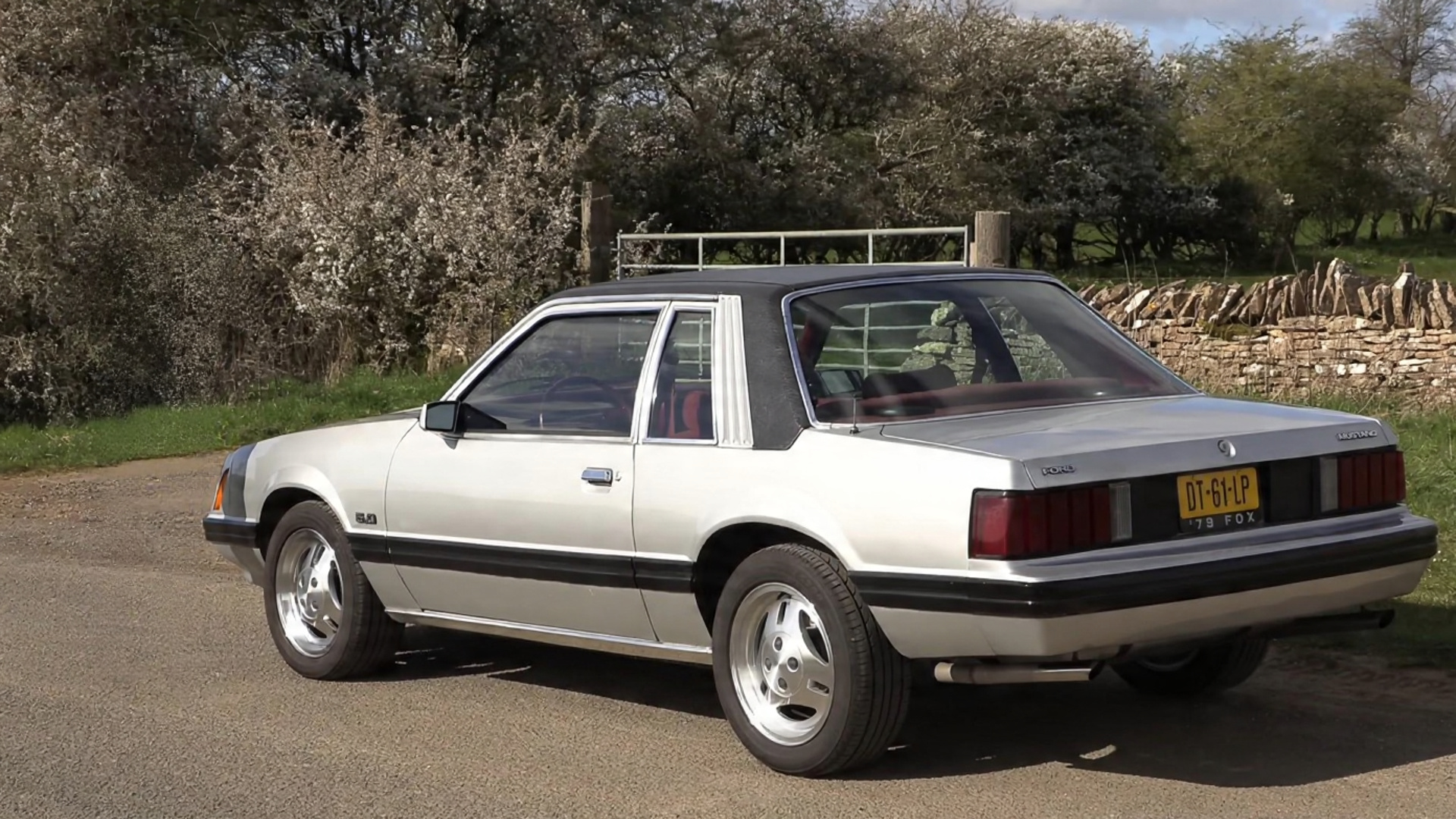
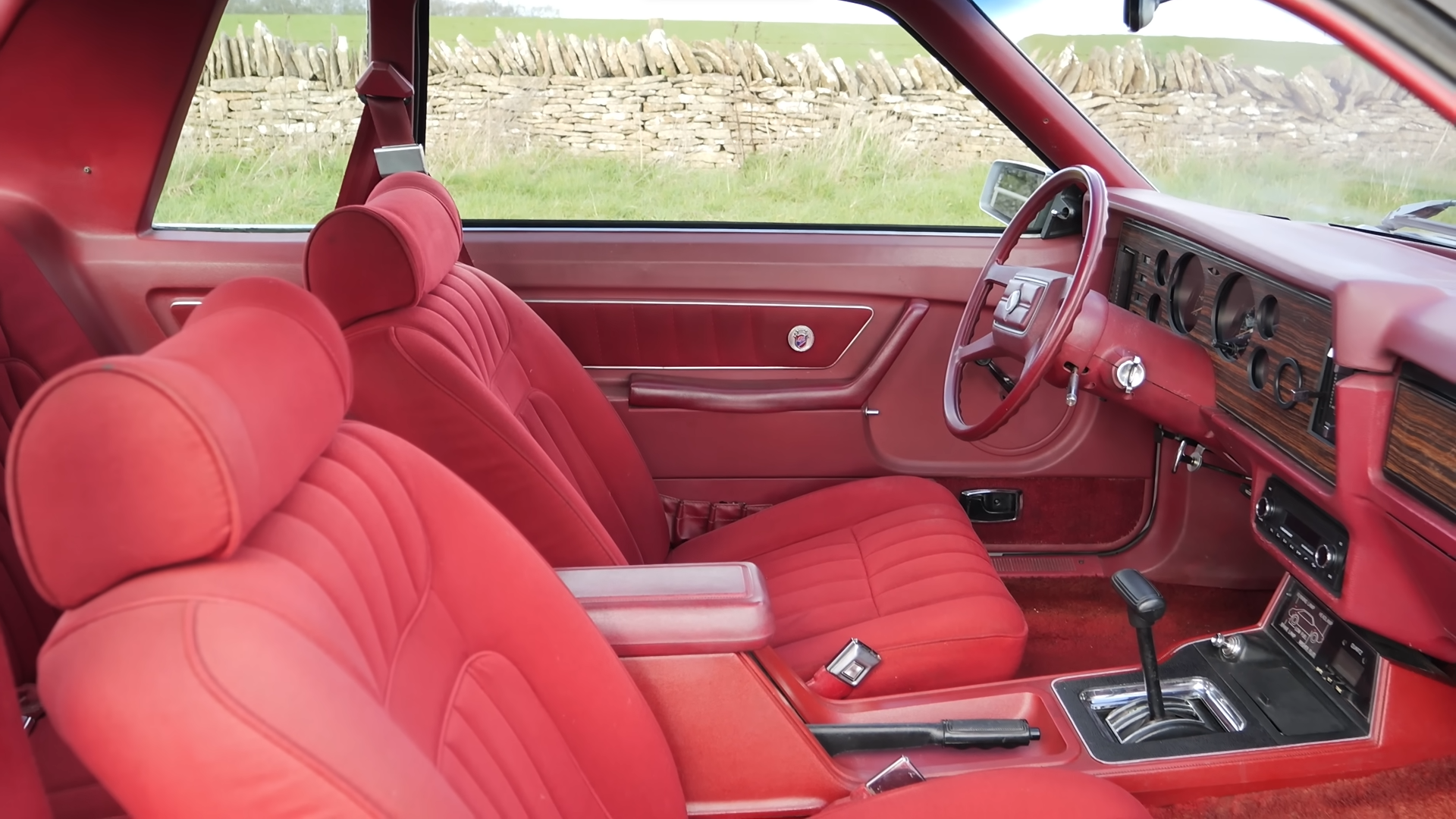
The interior reflects its era—functional but clearly built to a budget. Materials feel inexpensive, and design elements like faux wood trim haven’t aged gracefully. Still, the comfortable seats and laid-back driving position reinforce its appeal as a cruiser rather than a razor-sharp sports car.
Handling and Performance: Better Than Expected
Despite its shortcomings, the Fox Body surprises with its overall balance. Once accustomed to the light steering, drivers may find that the chassis is capable and predictable. The improved rear suspension eliminates many of the harsh characteristics associated with older designs, allowing for more controlled cornering.
That said, certain configurations—particularly those with automatic gearboxes—can limit the driving experience. A manual transmission or more control over gear selection would better showcase the car’s potential on twisty roads.
Ownership Today: A Changing Equation
As a tunable, affordable performance car, the Fox Body Mustang once made perfect sense. However, its growing popularity has driven up prices. In the United States, well-maintained V8 examples now command significantly higher values than they once did.
For European buyers, the situation is even more complicated. Import costs, taxes, and logistics can push total expenses much higher, making ownership less practical than it once was. While cheaper four-cylinder or V6 models exist, upgrading them adds further cost and effort.
Conclusion: Legend or Overhyped?
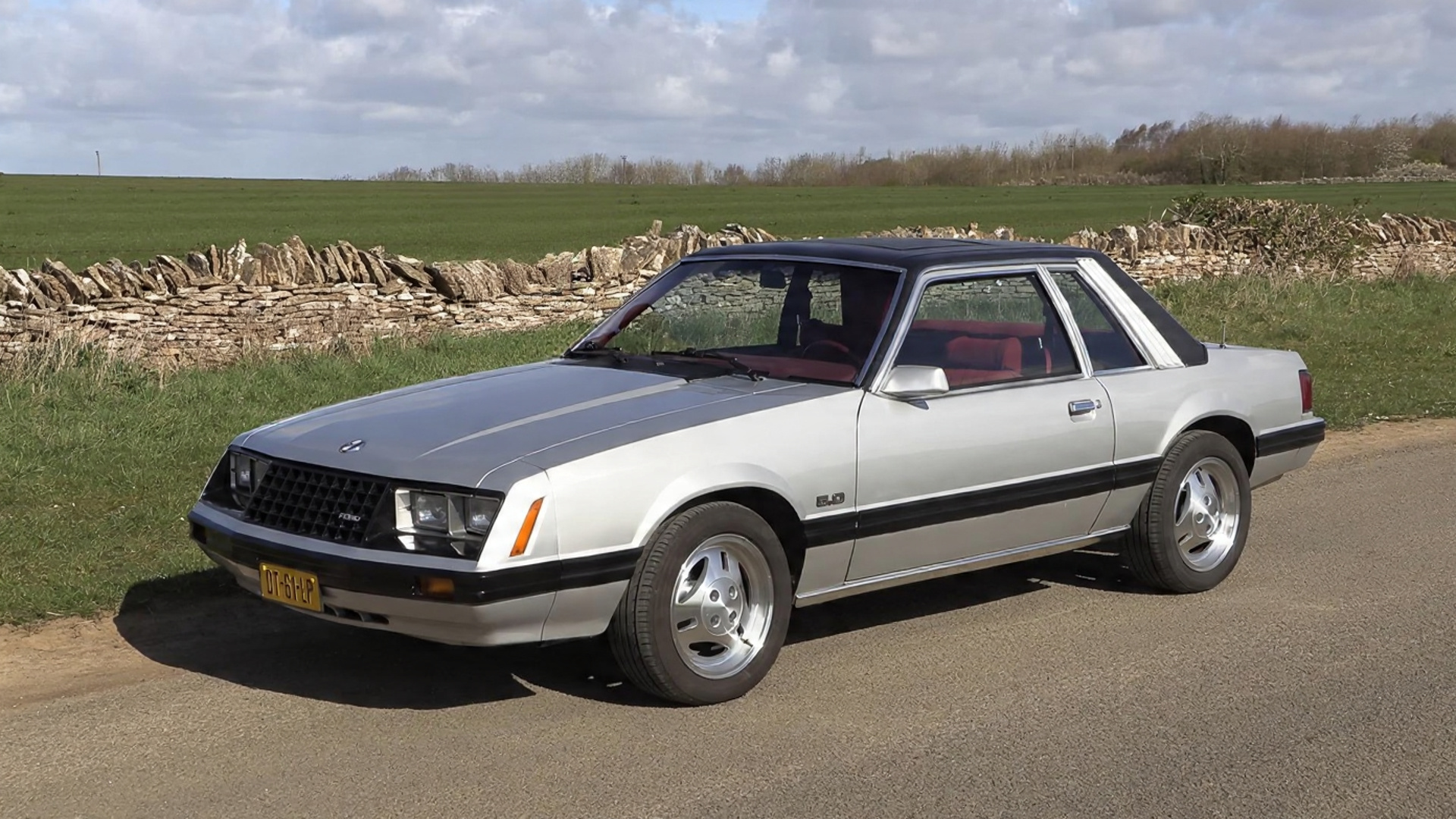
The Fox Body Mustang earns its reputation in many ways. It marked a critical turning point for Ford, introducing a lighter, more modern platform and restoring credibility to the Mustang name. Its simplicity and tuning potential continue to endear it to enthusiasts.
However, it isn’t without flaws. Build quality, steering feel, and stock performance can fall short of expectations. Ultimately, its appeal depends on perspective. For dedicated fans of American muscle, it remains an iconic and rewarding machine. For others—especially those in Europe—the financial and practical hurdles may outweigh its charms.
Source: Number 27