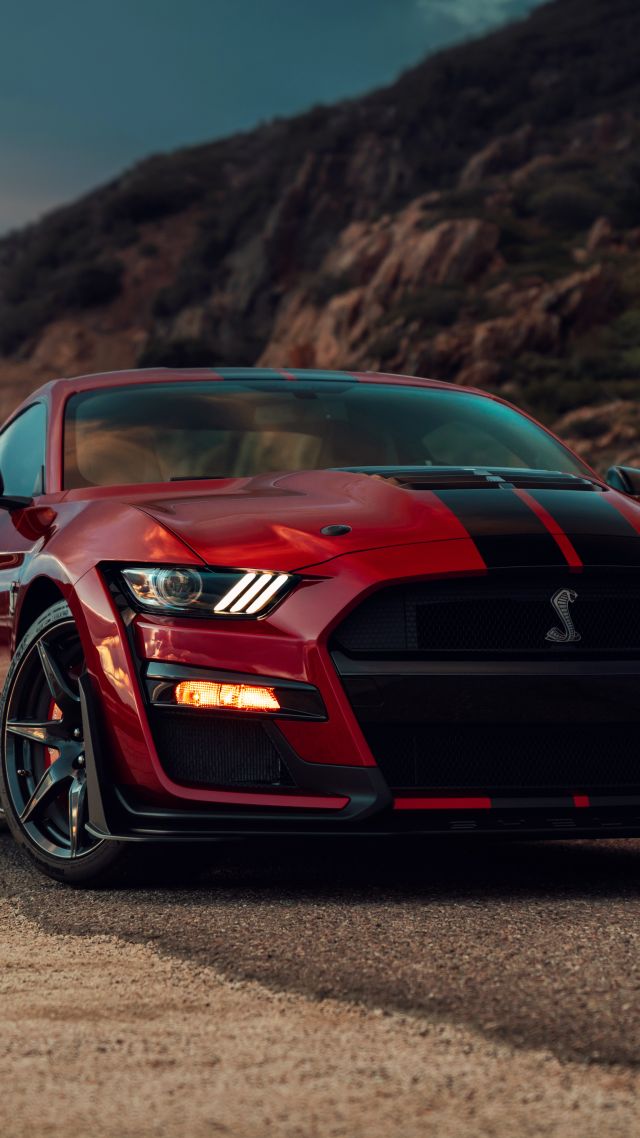

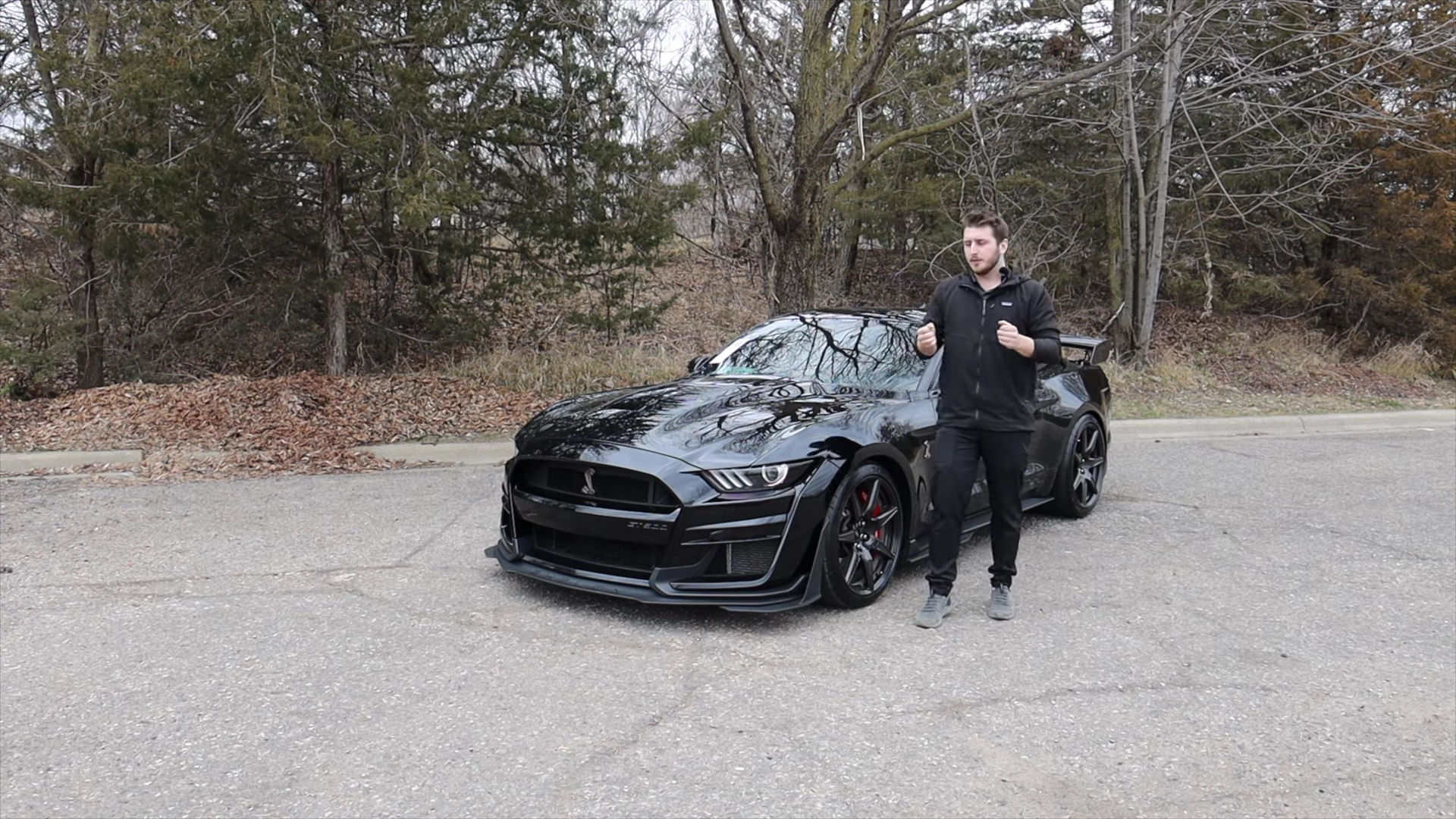
You are looking at the 2021 Shelby GT500, and this car sets a clear focus on power, control, and track use. You see it start with a hand-built supercharged V8 that delivers strong output and a high rev limit, built to handle speed and stress without compromise.
As you walk around the car, every part serves a purpose. The body pushes air where it needs to go, the chassis supports hard driving, and the interior keeps you planted and focused. This GT500 shows how Ford blended performance parts with daily usability while keeping the driving experience sharp and direct.
Key Takeaways
- You get extreme performance built around control and reliability
- The design supports speed, cooling, and stability
- The car balances track focus with real ownership needs
Engine and Performance
Supercharged 5.2L V8 Setup
You look under the hood and see a 5.2‑liter V8 with a large supercharger mounted on top. The engine spins up to 7,500 rpm and delivers strong power across the rev range. Ford designed this setup to handle high speed and track use.
Hand-Assembled Powerplant
Each engine gets built by hand, and your car carries the builder’s name on the motor. Brian Kelp assembled this V8, which makes the engine feel personal and carefully put together. You can see the attention to detail as soon as the hood opens.
Output and Speed Numbers
You get clear, hard figures from this drivetrain.
| Specification | Value |
|---|---|
| Horsepower | 760 hp |
| Torque | 625 lb‑ft |
| Redline | 7,500 rpm |
| Top speed | 180 mph |
These numbers explain why the hood uses locking pins to stay secure at high speed.
Exhaust Note
When you start the car, the exhaust delivers a deep and sharp V8 sound. You hear the supercharger and the engine working together. The sound stays loud and clean without feeling forced.
Exterior Design and Aerodynamics
Front Fascia Details
You see a wider front stance than other Mustangs, with flared edges on both sides. A bold splitter runs across the nose and clearly marks this as a GT500. The Shelby name stamped into the splitter leaves no doubt about what you are looking at.
Airflow and Stability Aids
Ford shaped the front to control air at very high speeds. You get splitters, flaps, and sculpted channels that guide air to keep the car planted. These parts focus on stability during hard cornering and fast track driving.
Hood Pins and Purpose-Built Hardware
You deal with hood pins every time you open the hood. They exist because the car can reach about 180 mph, and without them the hood can lift and shake. Ford requires these pins to keep the hood secure under heavy speed and g-forces.
Track-Focused Carbon Package
This car carries the optional carbon fiber track package, priced at about $18,500. The package adds parts built for track use, not looks alone. Every piece supports grip, braking, and control.
Lightweight Carbon Wheels
You get carbon fiber wheels that cut weight and improve response.
| Wheel Position | Approx. Replacement Cost |
|---|---|
| Front | ~$7,500 each |
| Rear | ~$5,700 each |
You need to be careful, because replacing these wheels is expensive.
High-Capacity Brakes
Behind the wheels, you find massive Brembo brakes. You get 10-piston calipers up front and 4-piston calipers in the rear. This setup puts the GT500 among the largest production brake systems ever used on a road car.
Rear Wing and Exhaust Layout
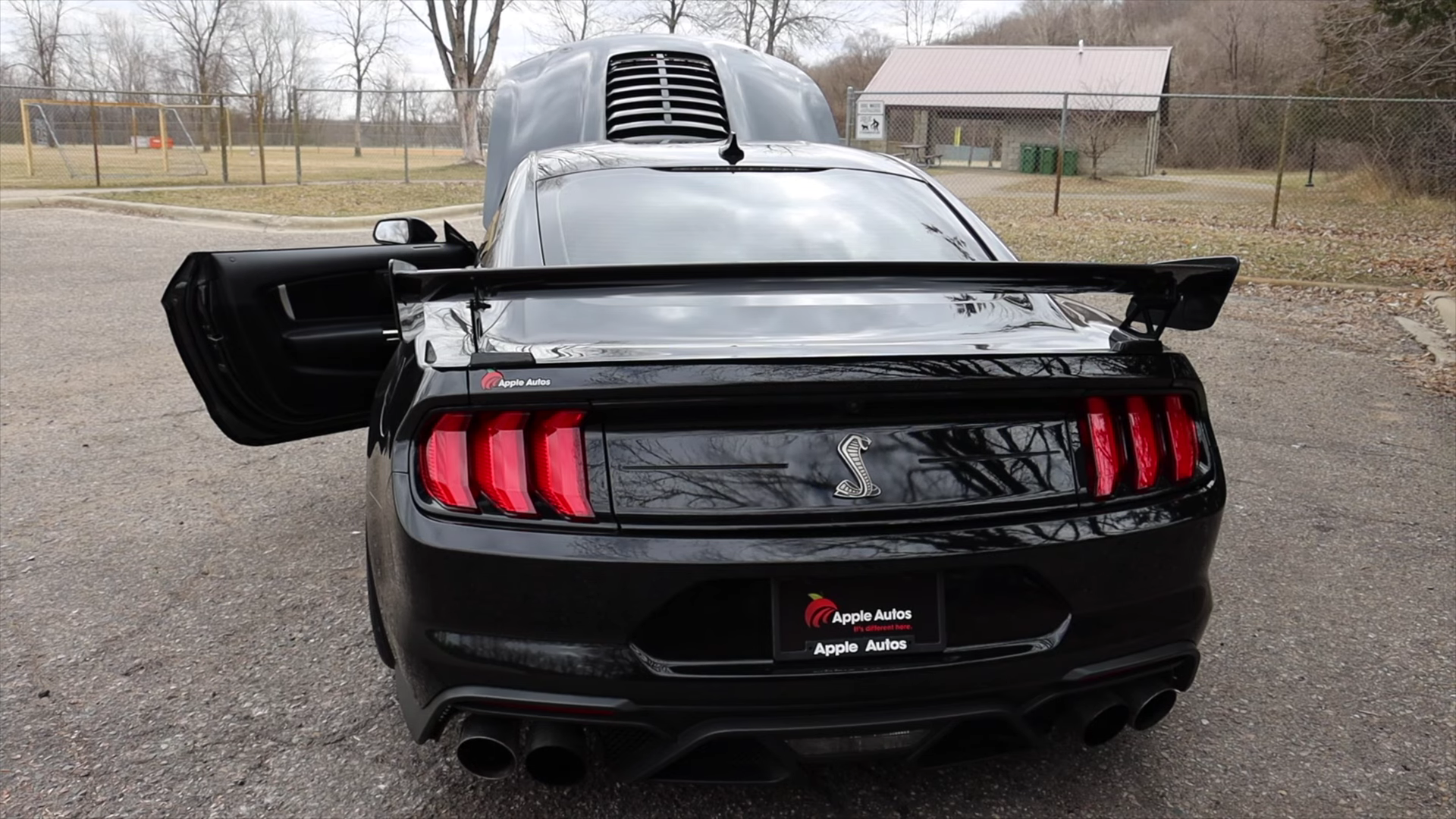
At the back, you see a huge factory-adjustable carbon fiber wing. It adds a strong visual edge and supports high-speed grip. Below it sit quad exhaust tips so large you can fit your fist inside them, paired with a bold Cobra badge.
Chassis and Driving Dynamics
Built for the Racetrack
You feel the track-first design right away. The wide front end, large splitter, and factory hood pins exist to manage lift and keep the car stable at very high speeds. Ford added these parts because the car can reach about 180 mph and pull strong cornering forces.
The hood pins may annoy you, but they serve a clear purpose. Without them, the hood can move under speed and load.
Suspension Setup and Tire Grip
You get the carbon fiber track package on this car. That package adds carbon fiber wheels that reduce weight and help the car react faster.
The tires are wide and sticky. You run 305s up front and 315s in back on Michelin Cup 2 tires, which give you serious grip on all four corners. This setup focuses on lap times, not comfort.
Steering Feel and Control
From the driver’s seat, you sit locked in place by tight bucket seats. The flat-bottom steering wheel gives you a firm and direct feel, especially during quick inputs.
The car feels planted and stable when pushed. The wide stance and aero parts help you place the car with confidence through corners.
Track Focus vs Street Reality
You can drive this car on the street, but you notice the compromises. The low front end scrapes easily, which is why Ford used a replaceable plastic splitter instead of carbon fiber.
At the same time, the car stays calm and controlled when you drive it hard. Everything you touch and feel points back to track use, even during normal driving.
Interior Features
Cabin Design and Space
You step inside, and the layout feels familiar if you know modern Mustangs. The shape and controls stay close to other models, so nothing feels confusing or out of place.
The carbon fiber trim on the dash adds a clear performance touch. You also see the car’s chassis number on the passenger side.
Seats and Upholstery
You sit low in Recaro bucket seats that hold your body tight. Alcantara covers the lower areas, with black and white leather around you.
The fit keeps you planted during hard driving. You do not slide around at all.
Steering Wheel and Driver Inputs
Your hands rest on a flat-bottom steering wheel wrapped in Alcantara. Paddle shifters sit right behind it for quick gear changes.
The wheel feels thick and solid. It matches the focused driving feel of the car.
Gear Selection and Drivetrain Controls
You use a rotary dial to select Park, Drive, and Reverse. The car comes only with a seven-speed dual-clutch transmission.
This setup clears space in the center area. You gain more room to rest your arm without a tall shifter in the way.
Dashboard and Screens
The dashboard design mirrors other Mustangs. The main difference is the carbon fiber finish.
The layout stays clean and easy to read. Everything sits where you expect it to be.
Driving Experience
On‑Road Ease
You sit low and tight in the Recaro buckets, and they hold you in place without effort. The Alcantara wheel feels solid in your hands, and the flat bottom gives you clear leg room.
The cabin feels familiar if you know Mustangs, so you do not need time to adjust. The layout stays simple and easy to use.
Power and Response
You control a 5.2‑liter supercharged V8 that revs to 7,500 rpm and makes 760 horsepower. The engine sound stands out right away and fills the cabin with a deep, sharp tone.
You shift through a seven‑speed dual‑clutch setup, the first of its kind in a Mustang. Paddle shifters sit right where your fingers expect them.
Stopping and Corner Feel
You rely on massive Brembo brakes, with 10 pistons up front and 4 pistons in the rear. The hardware alone shows how serious this car is about slowing down.
Wide Cup 2 tires wrap around carbon fiber wheels, with 305s in front and 315s in back. Ford designed the aero and suspension to keep the car stable at very high speeds.
Everyday Driving Practicality
You use a rotary dial to select drive and park, which clears space in the center console. This design gives your arm more room and keeps the area uncluttered.
The front splitter sits very low, so scraping can happen. Ford used a replaceable plastic piece up front, which helps reduce stress during normal street use.
Ownership Considerations
Hood Access and Engine Bay Entry
Opening the hood takes effort. You must release the cabin latch, then unlock two hood pins by wiggling and lifting each side before you reach the center latch.
The hood feels heavy. Ford uses the pins to control hood lift and shake at very high speeds, so you deal with the process every time you need access.
Upkeep Costs and Wear Items
Some parts cost real money to replace. The carbon fiber wheels from the track package stand out for price.
| Item | Replacement Cost (each) |
|---|---|
| Front carbon wheel | ~$7,500 |
| Rear carbon wheel | ~$5,700 |
The front splitter uses plastic instead of carbon. That choice helps because the car sits low and scrapes easily, and plastic costs less to replace.
Visibility and Public Attention
The car draws eyes everywhere. The widened nose, hood vents, hood pins, and huge rear wing make it clear this is not a base Mustang.
Badging and details add to the look. The large Shelby name up front, quad exhaust tips, and carbon parts make your arrival obvious on any street.
Comfort and Road Feel
The setup favors the track. You sit tight in Recaro bucket seats, and the car rides low with wide Cup 2 tires.
Expect a focused feel. The suspension, tires, and aero aim for grip and stability, not softness, and ground clearance requires care around driveways and bumps.
Legacy and Final Thoughts
Long-Term Worth to Owners
You see this car already sitting in a space collectors watch closely. The example shown sells for $88,919, which reflects how buyers value its hardware and limits.
Factors that affect value
- Handbuilt 5.2L supercharged V8
- Standard hood pins tied to track safety
- Optional $18,500 carbon fiber track package
- Carbon fiber wheels with very high replacement cost
Why This GT500 Matters
You can tell Ford built this Mustang with a clear purpose. It focuses on track speed, braking, and airflow rather than comfort or style trends.
| Feature | Why it stands out |
|---|---|
| 760 horsepower | Highest output mentioned for a Mustang |
| Dual-clutch gearbox | First time used in a Mustang |
| 10‑piston Brembo brakes | Among the largest ever on a production car |
| 180 mph capability | Requires hood pins for stability |
What Comes Next for the GT500 Line
You should expect this model to stay a reference point. I already see newer Mustangs chasing records, but this GT500 sets the bar for how extreme Ford is willing to go.
You can view it as one of the most aggressive Mustangs Ford has produced. From the engine to the aero, nothing here feels watered down or cautious.