
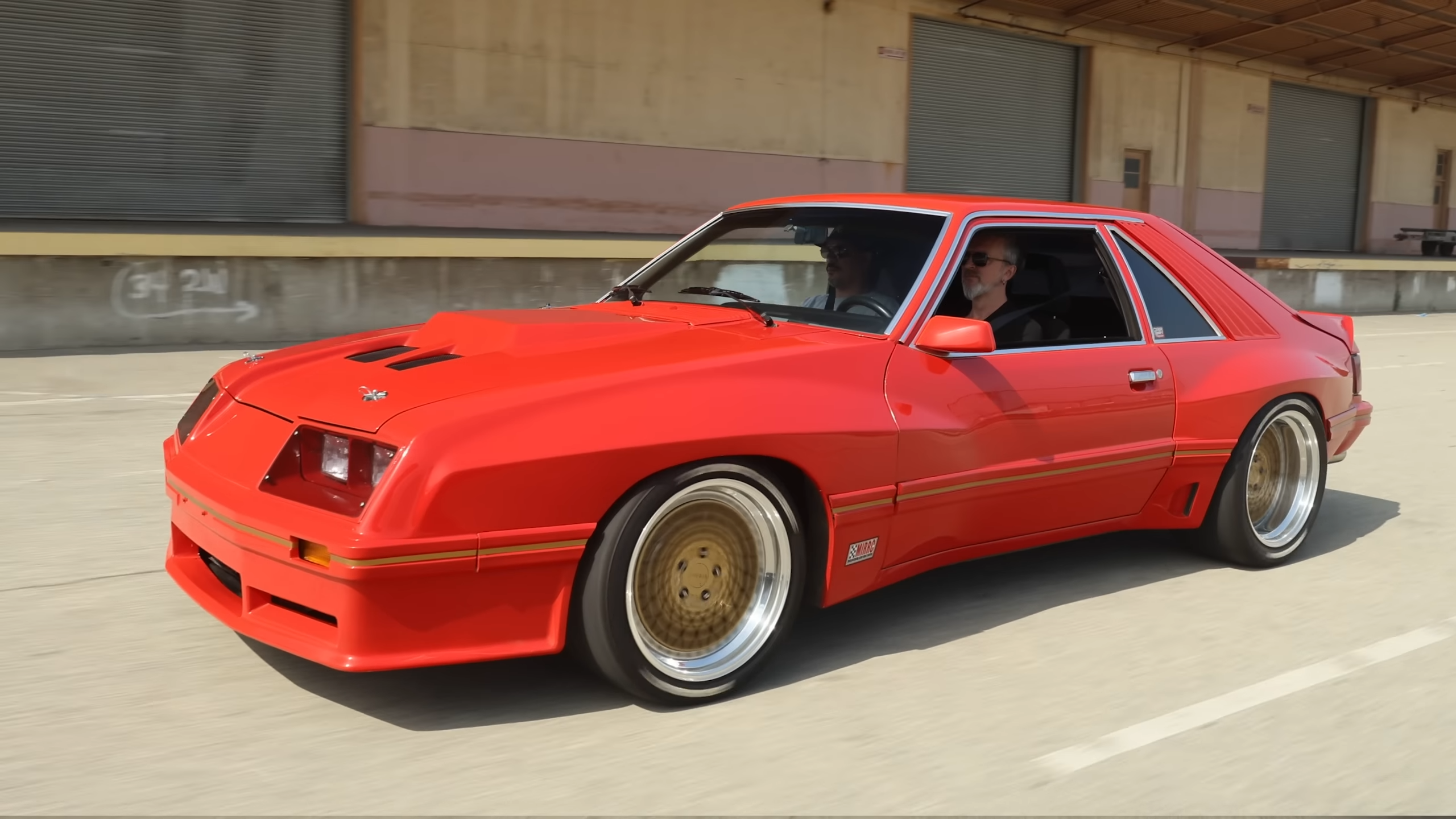
The 1982 M81 McLaren Mustang DSO stands as a rare and distinctive example of early collaboration between Ford and McLaren. Built in small numbers, each car featured unique bodywork and details that set it apart from the standard Mustang GT. This particular model includes wider fenders, molded fiberglass panels, and a precise fit that gives it a clean, performance-oriented look. Its exterior maintains the essence of early 1980s racing design while using restored components that highlight careful craftsmanship.
Beneath its hand-built body sits a modernized powertrain and suspension system designed for reliability and balance. The car runs a V8 engine tuned for responsive performance and matched with upgraded chassis parts that improve handling. Every piece, from the wheels to the cooling system, reflects attention to period-correct style and functional improvement. The build combines historical accuracy with subtle modern updates to create a refined and capable vehicle.
Key Takeaways
- The model represents a limited-production Mustang built with custom bodywork and design upgrades.
- It combines careful restoration with performance improvements in engine and suspension.
- The build keeps period-correct styling while enhancing reliability and driving balance.
History of the 1982 M81 McLaren Mustang DSO
Beginning of the McLaren Mustang Project
In the early 1980s, Ford joined forces with McLaren and a marketing partner to create a limited run of prototype Mustangs. The goal was to design a four-cylinder, turbocharged model that took inspiration from IMSA race cars. The project produced only a handful of test vehicles before ending. Each car came with a unique, hand-built body kit that gave the Mustang a wider, more aggressive profile.
| Feature | Description |
|---|---|
| Base Model | 1982 Mustang GT |
| Prototype Goal | Turbocharged 4-cylinder performance model |
| Design Influence | IMSA-style widebody and aerodynamic parts |
| Production Style | Hand-built, one-off variations |
Dealer Special Order (DSO) Editions
Some extra kits from the canceled project went to select Ford dealers as Dealer Special Orders (DSO). Fewer than twenty were believed to be completed. Each was built to dealer or owner specifications, leading to differences in engines, interiors, and details. The DSO version often used a V8 engine instead of the planned turbo setup. The fiberglass body pieces, molded panels, and lower hood created a unique look that set these cars apart from standard Mustangs.
Key characteristics of DSO models:
- Fiberglass front fenders, fascia, and rocker moldings
- Lower, race-style hood originally made for the 4-cylinder turbo
- Custom assembly and dealer-level variation
Scarcity and Surviving Cars
Very few McLaren Mustangs remain today. Estimates suggest that around fifteen examples still exist in any condition. Each surviving car shows some variation in parts, finish, or powertrain. Because the kits were hand-finished and built by different dealers, no two cars are alike. Collectors value them for their rarity and their link to a short chapter in Ford’s performance history.
Exterior Design and Body Features
Wide-Body Package and Fiberglass Parts
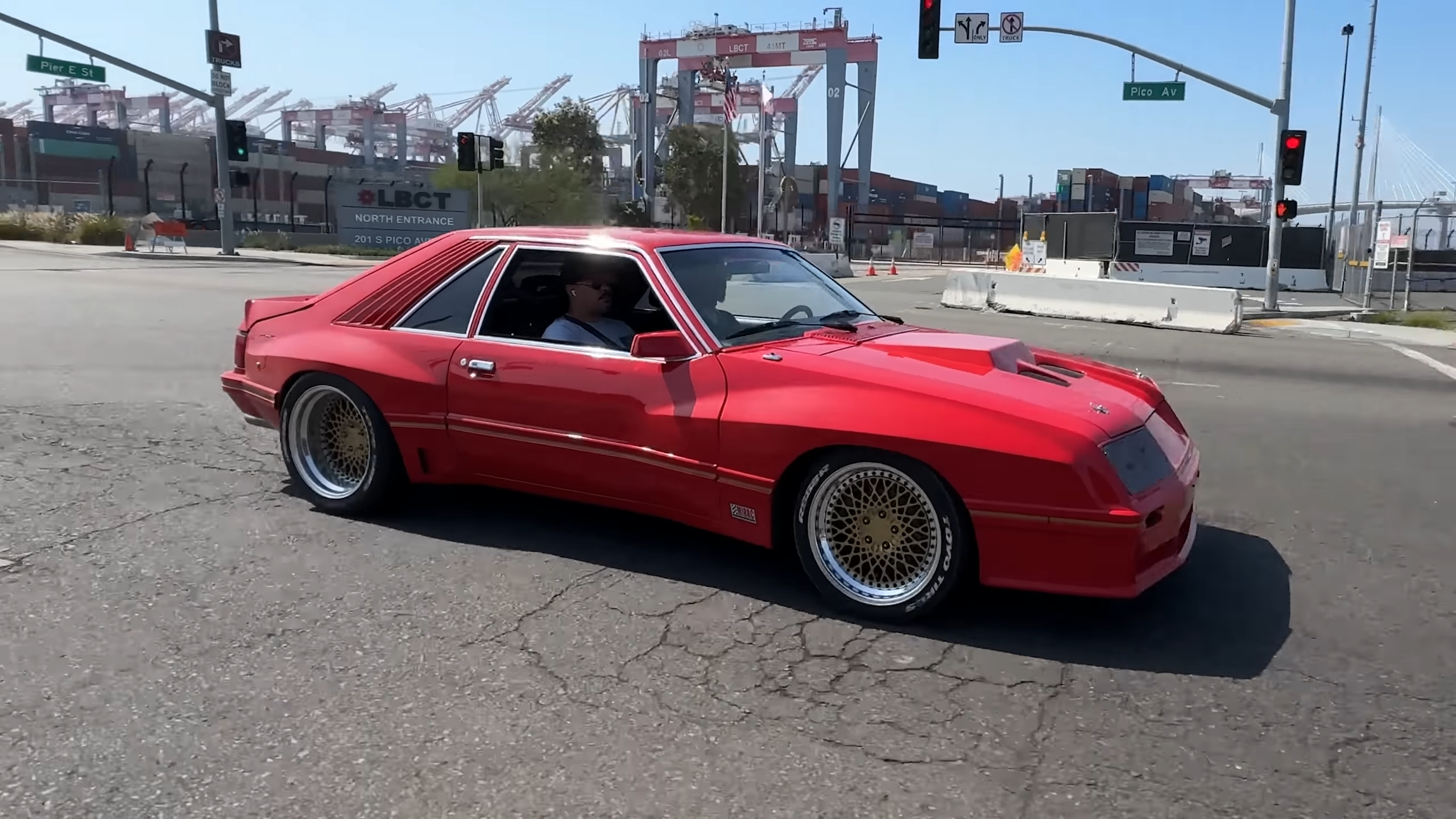
The car features a hand-built wide-body design, giving it a strong, race-inspired stance. The front fenders extend about three inches per side, while the rear panels flare out even more. Most of the exterior panels—fenders, side extensions, and rockers—are made from fiberglass and molded together, removing visible seams. Original dealer special-order cars used similar assembly, so each one came out slightly different.
A table shows the wheel fitment setup:
| Position | Size (inches) | Tire Width |
|---|---|---|
| Front | 18×10 | 275 |
| Rear | 18×11 | 305 |
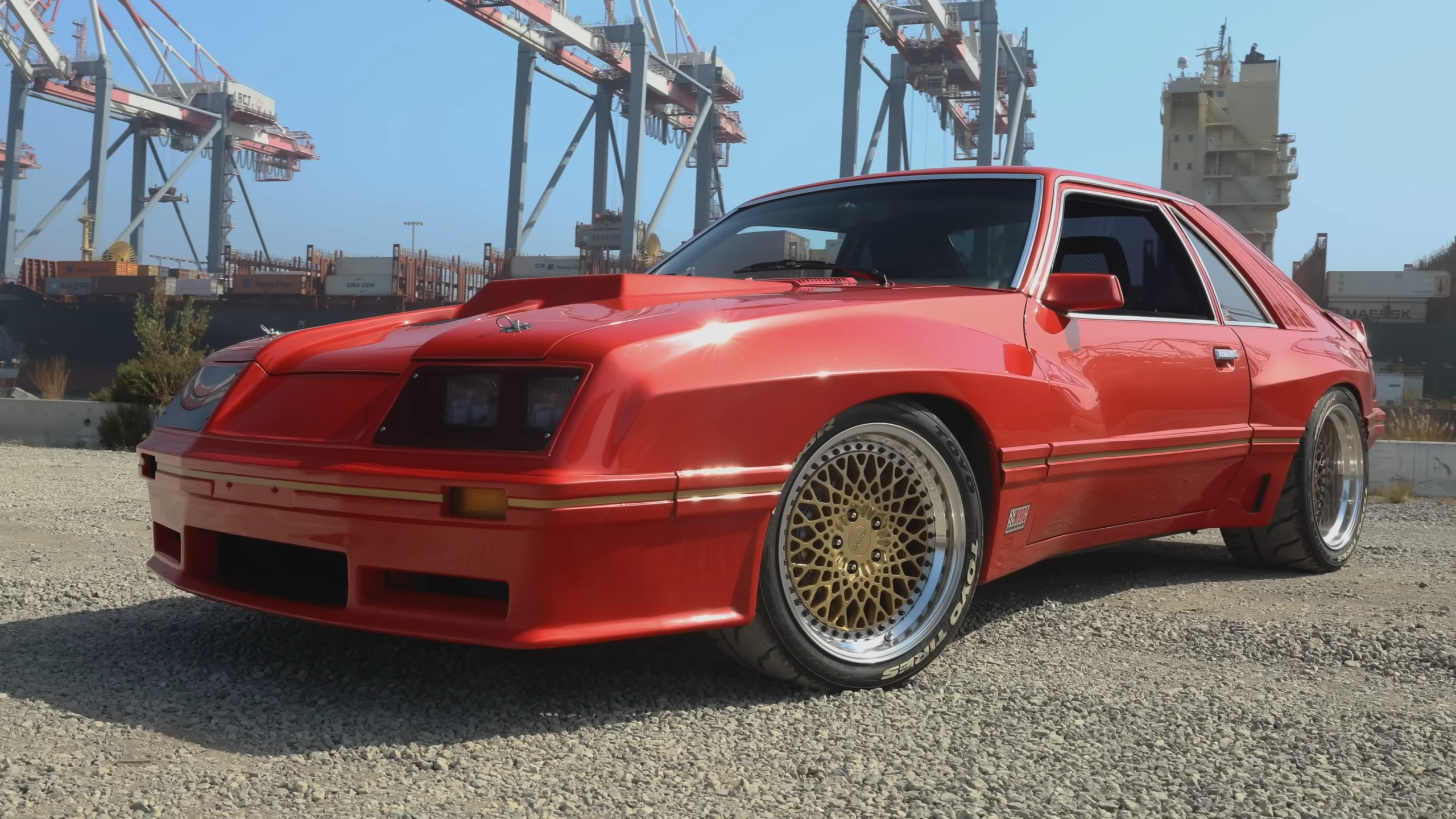
The three-piece mesh wheels keep a classic, period-correct style with gold centers, black bolts, and polished lips.
Hood and Front Lighting Details
The hood, part of the body package, sits lower than the stock version. It uses a fiberglass structure with vent openings that now include metal mesh covers. Because of the lower profile, it had to be adjusted to fit a V8 engine, keeping the setup clean and functional.
The headlight covers match the body lines and add a subtle, race-ready touch. They include updated LED bulbs inside housings that keep the look similar to the factory style.
Rear Lighting Setup
The rear section uses authentic 1982 Mustang tail lights restored to match the car’s original appearance. Some previous builds used Capri-style units, but these lights better reflect the McLaren and GT Enduro heritage. The clean lens design fits smoothly into the molded rear panel without extra trim or lines.
Custom Molded Body Elements
The fascia, fenders, and side rockers form a single integrated piece. There are no visible joints or side markers, creating a smooth transition along the length of the car. The fiberglass surfaces blend neatly into the metal body, which gives the car its precise, seamless finish. Each molded area was shaped to fit tightly, reflecting the attention to detail in the original McLaren-style builds.
Wheels and Fitment
Wheel Details
The car runs 18-inch three-piece wheels with a gold mesh center, black hardware, and polished lips. The front wheels measure 18×10 inches with 275-width tires, while the rear uses 18×11-inch wheels wrapped in 305-width tires. This setup mimics the style of the vintage BBS designs but updates it with modern sizing and materials.
| Position | Wheel Size | Tire Size | Finish Details |
|---|---|---|---|
| Front | 18×10 | 275 | Gold mesh, black bolts, polished lip |
| Rear | 18×11 | 305 | Gold mesh, black bolts, polished lip |
Fitment and Stance Setup
The stance sits low with tight fender clearance and flush wheel alignment. A Maximum Motorsports suspension package supports the fitment, including coilovers, torque arm, panhard bar, and tubular front control arms. Together, these parts give the body a balanced, planted look without rubbing or uneven gaps.
Design Inspiration
The wheel choice keeps the period-correct mesh design of early model Mustangs while using modern proportions. The owner chose this layout to honor the original style yet improve performance grip and handling. The color and hardware details match earlier show cars, blending nostalgia with a fresh appearance.
Powertrain and Performance
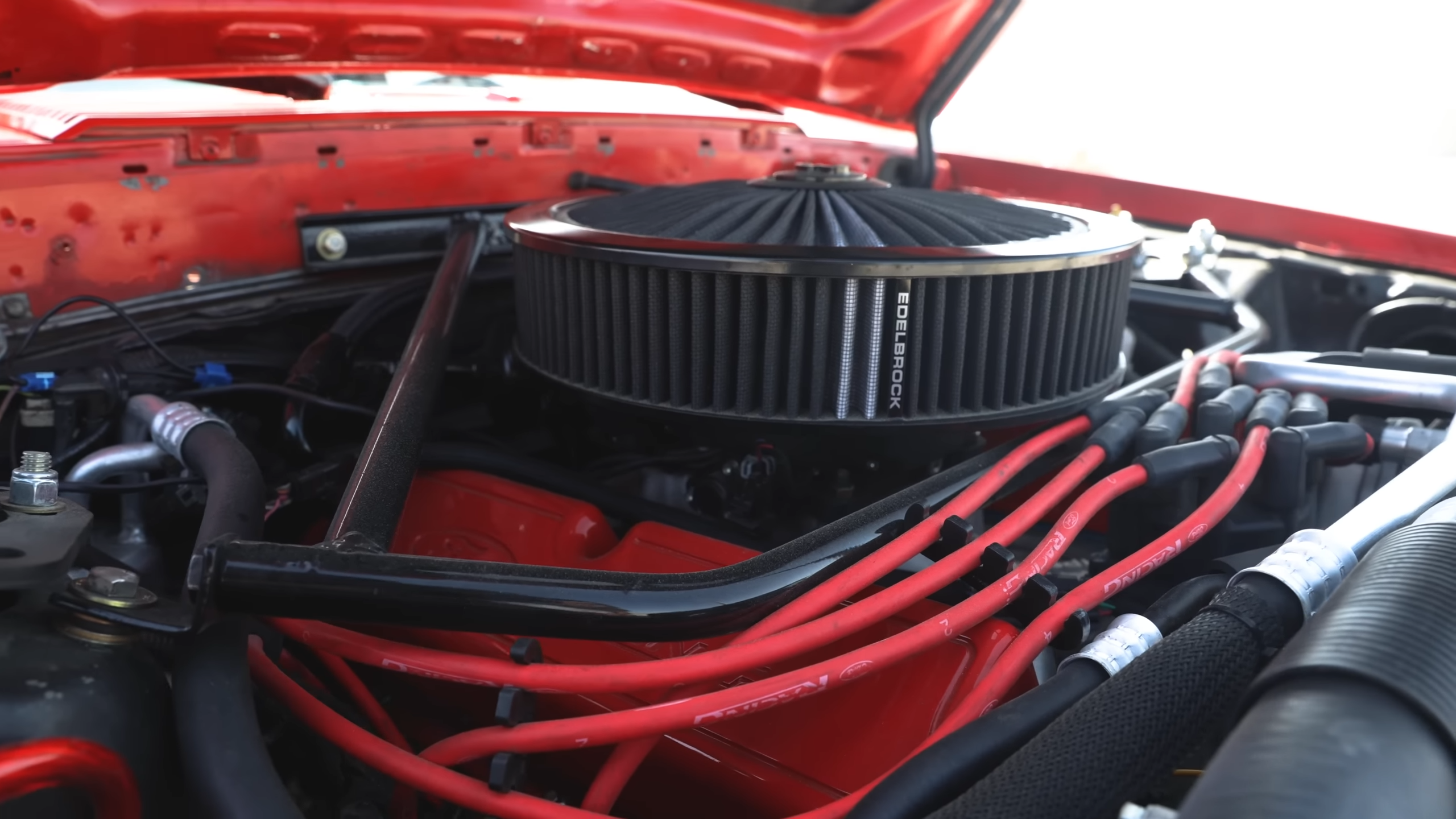
Blueprint 347 Stroker Engine
Under the hood sits a Blueprint 347 stroker crate engine replacing the original 302. It uses an Edelbrock Performer Air-Gap intake and a Holley Sniper EFI system. The engine looks clean and recently built, with less than a thousand miles of use. Every part of the setup aims for reliable performance without overcomplication.
Key components include:
| Part | Specification |
|---|---|
| Engine | Blueprint Engines 347 Stroker Crate Motor |
| Intake | Edelbrock Performer Air-Gap |
| Fuel System | Holley Sniper EFI |
| Headers | BBK Shorty Headers |
| Exhaust | Custom X-pipe with MagnaFlow mufflers |
Horsepower and Output
The engine produces about 400 horsepower at the crank. It offers strong, consistent power suited for both cruising and spirited driving. The builder focused on a balanced setup rather than extreme performance numbers, creating a dependable and enjoyable car on the road.
Fuel and Exhaust Configuration
The Holley electronic fuel injection replaces a carburetor setup for better fuel control and easier starts. Airflow runs through BBK headers that lead into a custom X-pipe and finish with MagnaFlow mufflers for a clean, deep tone. The combination delivers smooth throttle response and a refined exhaust note that fits the car’s style.
Climate and Cooling System
A new air-conditioning system ensures comfort inside the cabin. Cooling duties fall to a large aluminum radiator paired with dual Contour fans and a Flex-a-lite controller. Temperature stays around 180–190°F even in hot weather. The setup supports both engine performance and reliability during extended driving.
Suspension and Chassis Modifications
Complete Performance Handling Setup
He equipped the car with a full Maximum Motorsports Max Grip kit, which includes every key suspension upgrade they offer. This system fine-tunes handling and provides precise steering response. The setup uses Koni dampers paired with coilovers for a balanced ride quality. Together, these components give the car improved traction and predictable feedback during cornering.
Coilovers, Rear Torque Arm, and Lateral Stabilizer
The rear of the car uses coilovers matched with a torque arm and Panhard bar. This layout reduces axle movement and tightens the car’s response under load. The design helps the rear stay stable during acceleration and cornering, improving both grip and control. It also gives the stance a lower, even look across all four corners.
| Component | Type | Purpose |
|---|---|---|
| Coilovers | Adjustable | Controls ride height and damping |
| Torque Arm | High-strength steel | Reduces axle wind-up |
| Panhard Bar | Lateral link | Keeps rear axle centered |
Structural Reinforcement and Control
To increase rigidity, he added tubular front control arms and a strut tower brace. The chassis now resists flexing better during hard driving. These upgrades sharpen handling and make the steering more accurate. The clean installation work by the mechanic at ER Performance ensures everything aligns and functions as intended.
Restoration and Build Process
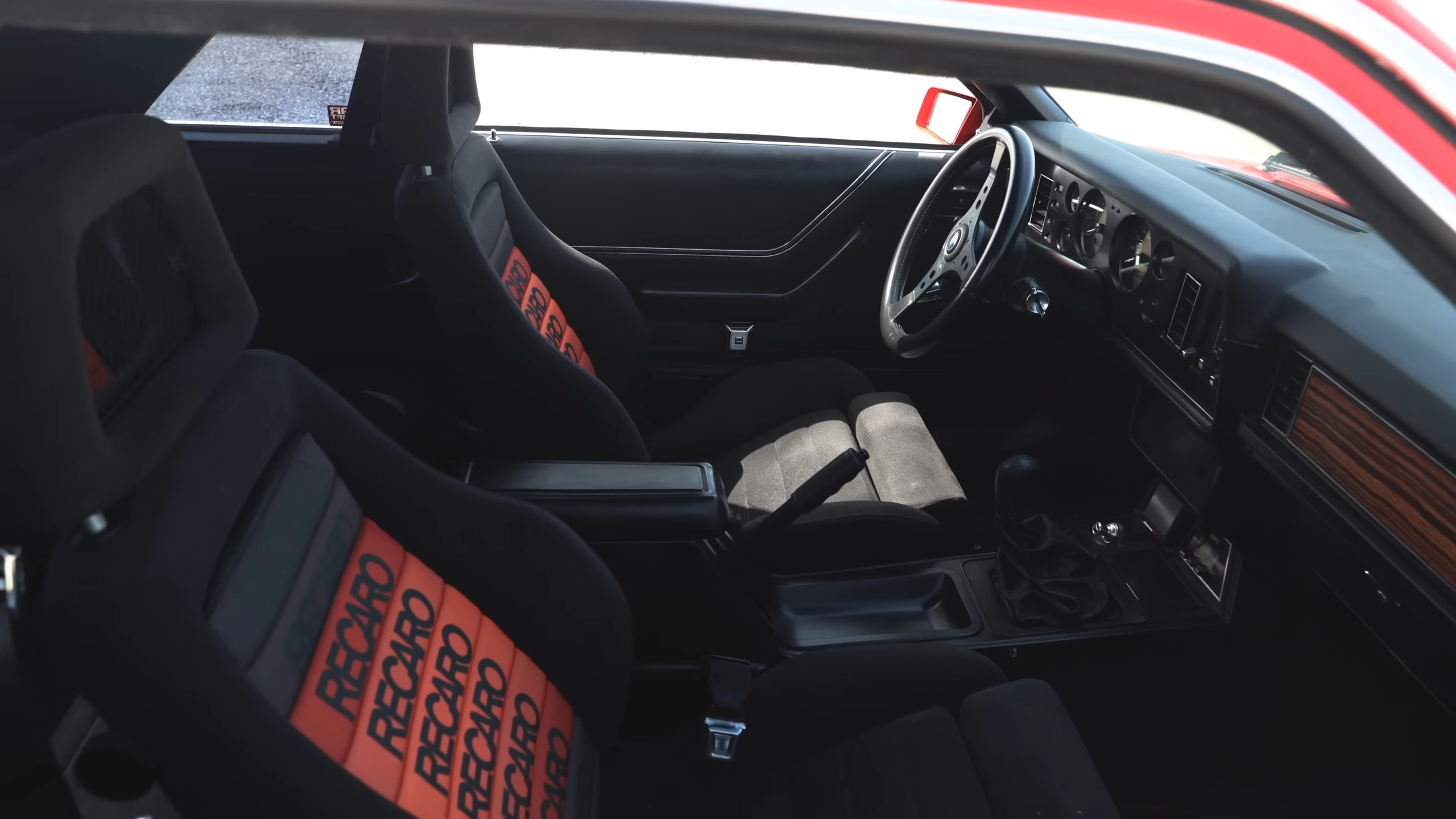
Purchase and Ownership History
Derek acquired the 1982 McLaren Mustang in October 2021. He dedicated about three years to restoring and refining it into a dependable and well-performing car. The vehicle started as a dealer special order model, one of roughly a dozen assembled with leftover McLaren body kits. Each was hand-built and slightly different in its details and finish, making every car unique.
| Year | Event | Notes |
|---|---|---|
| 1982 | Original build | Dealer special order McLaren body kit on GT base |
| 2021 (Oct) | Purchased by Derek | Began mechanical and cosmetic upgrades |
| 2022–2024 | Restoration work | Body repairs, suspension, drivetrain, and fitment adjustments |
Key Restoration Details
Many of the external parts are fiberglass, molded together for a smooth, seamless look. The front and rear fenders widen the stance by several inches, fitting 18″ wheels—10 inches wide in front and 11 inches in the back—with 275/305 tires. Derek replaced the older “Capri” lights with correct 1982 versions and added custom headlight covers with a subtle tint and LEDs that match the period design.
Under the hood, he swapped in a Blueprint Engines 347 stroker crate motor paired with a Holley Sniper EFI system, BBK shorty headers, and Magnaflow exhausts. Cooling is managed by a large aluminum radiator with dual fans and a Flex-a-lite controller, keeping temperatures steady near 180–190°F.
The suspension uses the Maximum Motorsports Max Grip package, including Koni coilovers, torque arm, and panhard bar, giving the car its precise stance and handling. The underbody remains exceptionally clean thanks to careful assembly by his mechanic at ER Performance, who ensured the setup was solid and reliable for long-term use.