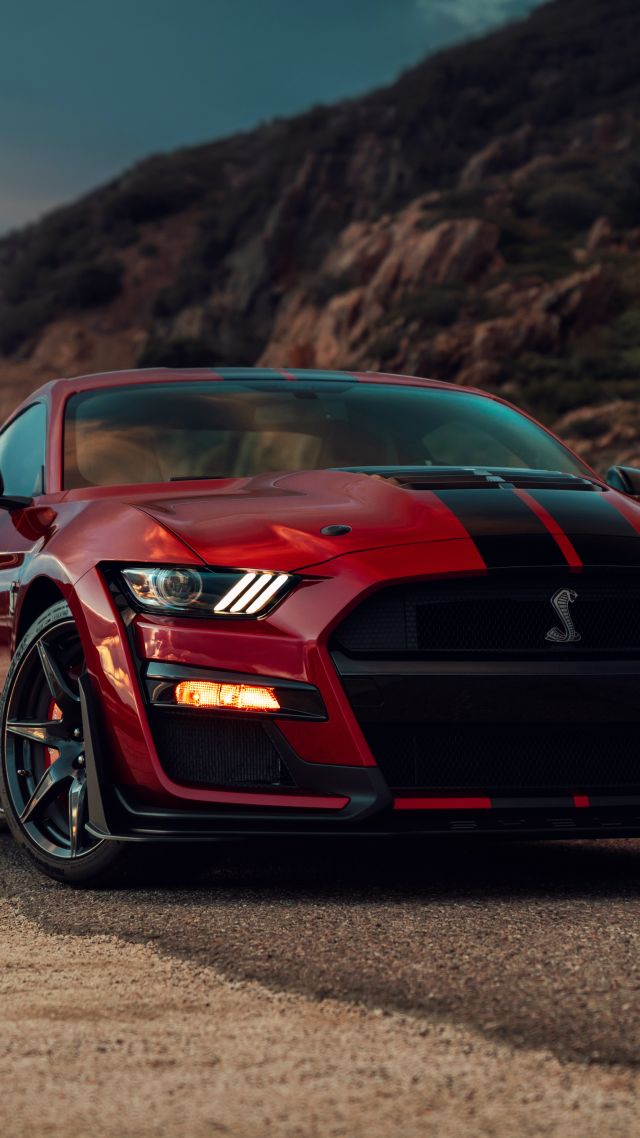

A Mustang sits low, moves fast and draws attention almost everywhere. The one place it can vanish is the right-side mirror of an 80,000-pound tractor-trailer. On Southern California freeways, that gap in a truck driver’s view is where many serious crashes start.
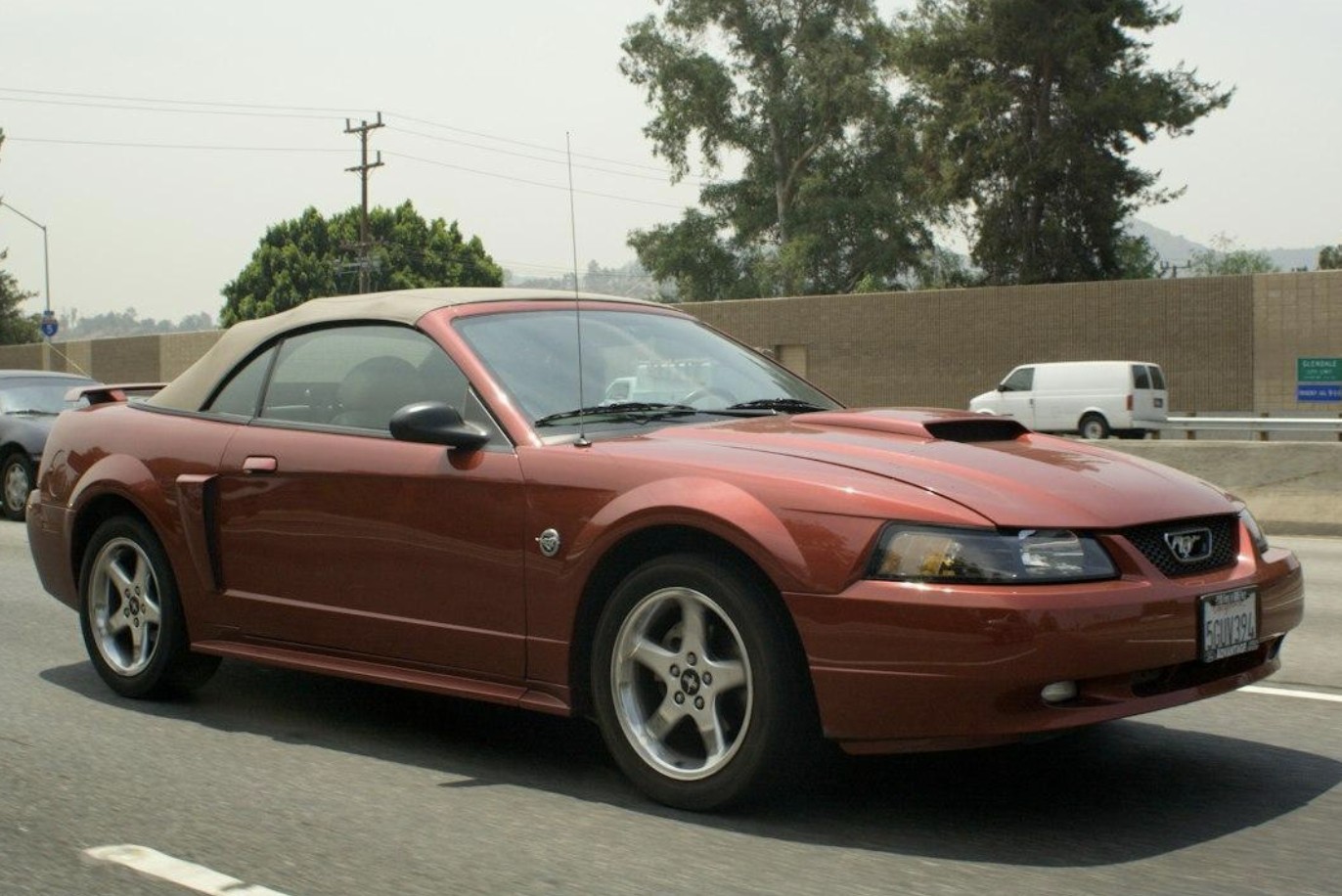
Photo by Dan Williams on Unsplash
This guide is for owners who drive their cars, not just park them at shows. It covers how trucks see the road, how to space your car around them, and what to do if a crash happens. For the legal side, Los Angeles firms such as Agemian Law Group focus on claims after collisions with commercial trucks. Nothing here is legal advice.
Why Is a Mustang Harder for Truckers to See?
A truck driver sits high above the road. That height helps them see far ahead, but it hides what sits low and close.
A Mustang coupe stands only about 4.5 feet tall. Next to a trailer, the roofline can drop below the mirror’s field of view. A dark paint color and a low headlight height make it harder still at dusk.
Speed adds to the problem. A V8 Mustang can close a gap in seconds. A truck driver who checked the mirror a moment ago may not know you arrived.
Where Are a Big Rig’s No-Zones?
A no-zone is a blind spot around a large truck where the driver cannot see a car. Safety groups describe four main ones:
- Right side. The largest blind spot, often running the length of the trailer and covering more than one lane.
- Left side. Smaller, but still wide behind the driver’s door.
- Directly in front. The first 20 feet or so ahead of the cab can be hidden from a high seat.
- Directly behind. A trailer blocks the rear view, so the driver may not see a car tailgating up to about 30 feet back.
A simple test helps. If you cannot see the truck driver’s face in their side mirror, assume they cannot see you.
How Much Room Does a Loaded Truck Need to Stop?
A loaded truck is a heavy object on a hot freeway. It needs far more distance to stop than a sports car with big brakes.
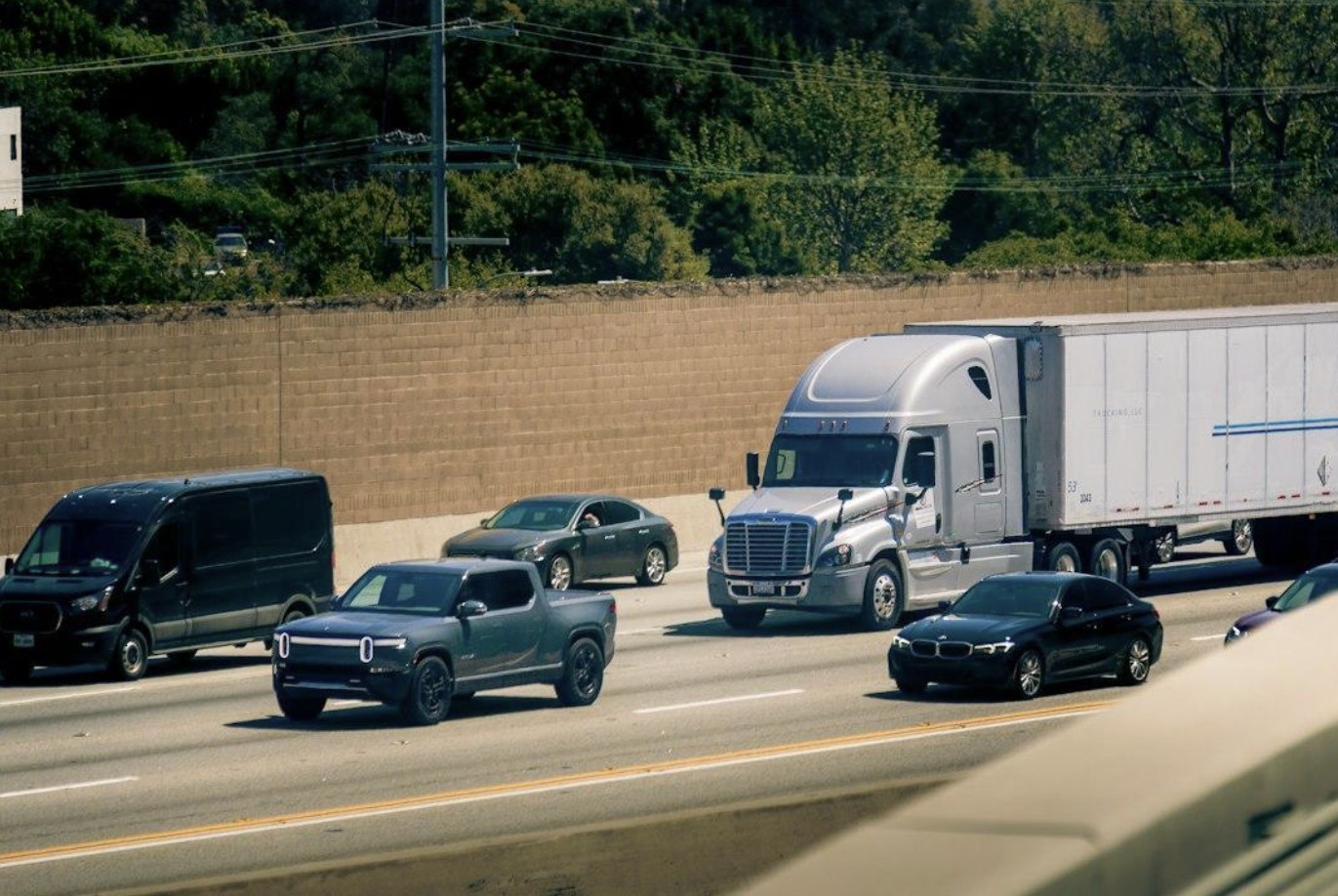
Photo by Silas Lundquist on Unsplash
Alt text: Cars and trucks are driving on a highway
A modern Mustang with a performance brake package can stop hard. That strength creates its own risk. If you cut in front of a truck and then brake for traffic, the truck behind may not stop in time.
Owners of older cars face a different issue. A classic with drum brakes, like many early models in our 1968 Mustang brake information guide, needs more room too. Leave space in front of you as well as behind.
California also sets a 55 mph speed limit for trucks with three or more axles. That gap in speed means you will often pass trucks, so pass with purpose and do not linger beside one.
Which SoCal Freeways Call for Extra Care?
Some corridors carry far more trucks than others. The ports of Los Angeles and Long Beach feed a steady stream of container rigs inland.
Take extra care on these routes:
- I-710, which links the ports to rail yards and warehouses.
- I-5 through the Grapevine, where long grades slow loaded trucks.
- SR-60, a major path to Inland Empire distribution centers.
- I-15 near Cajon Pass, with steep climbs and heavy freight.
On grades, trucks climb slowly in the right lanes. Watch for sudden speed gaps when a car swerves out from behind one.
What Should You Do After a Crash With a Truck?
A crash with a commercial truck is different from a fender bender with another car. The other side often includes a driver, a trucking company and its insurer.
If you are able, work through these steps:
- Call 911 and get medical care, even if you feel fine.
- Move to a safe spot if the cars can be driven.
- Take pictures of your Mustang, the rig, the lane markings and debris.
- Record the truck’s company name and its USDOT number from the cab door.
- Get names and contacts from witnesses.
- Avoid talking about fault with the driver or any insurer.
On a freeway, the California Highway Patrol usually responds and writes the report. You must also report a crash to the DMV within 10 days if anyone was hurt or damage tops $1,000.
The Truck Safety Coalition runs a first response program for survivors and families. Its volunteers have been through truck crashes themselves.
Why Does Timing Matter for a Truck Accident Claim?
Trucks carry electronic logging devices and event data recorders. These record driving hours, speed and braking. Agemian Law Group warns that some of this data can be deleted in as little as 30 days without a legal hold.
California law also sets firm deadlines. Under Code of Civil Procedure Section 335.1, most personal injury claims must be filed within two years. If a government vehicle was involved, a claim usually must be filed within six months.
Your own coverage matters too. If you own a collector car, check that your classic car insurance policy reflects its true value before you ever need it.
Groups such as Advocates for Highway and Auto Safety track truck safety rules and data at the national level. Their work shows why these crashes deserve careful handling.
Frequently Asked Questions
What Is the Biggest Blind Spot On a Semi Truck?
The right side is usually the largest. It can stretch the length of the trailer and cover more than one lane, so avoid passing on the right.
What Is the California Deadline After a Big Rig Collision?
Most personal injury claims must be filed within two years under Code of Civil Procedure Section 335.1. Claims against a government agency usually need a filing within six months.
Should I Talk to the Trucking Company’s Insurer After a Crash?
Be careful. Give basic facts only and avoid discussing fault. Many people speak to a personal injury lawyer before giving any recorded statement.
Do Mustang Blind-Spot Monitors Help Around Trucks?
They help, but they are not a substitute for mirror checks. The bigger risk is the truck driver’s blind spot, which your car’s sensors cannot fix.