

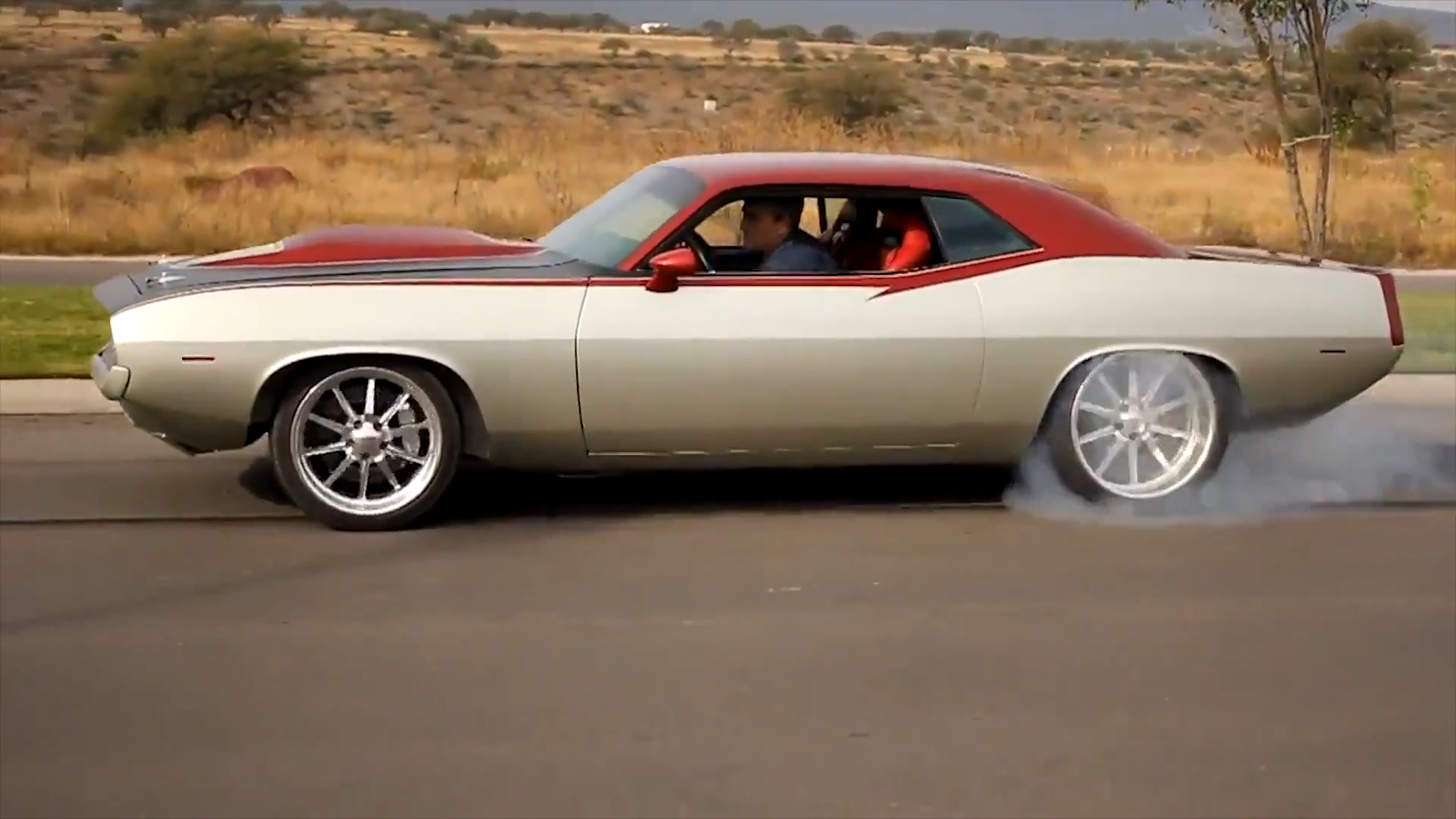
He begins by exploring how American performance cars developed from practical coupes into symbols of power and style. The story starts in the mid-1960s, when a certain compact, sporty model changed what young drivers wanted. It inspired an entire category of cars that drew other manufacturers into the race to build something just as appealing, each blending accessibility with performance.
As decades passed, the boundaries between categories began to blur. Some cars stayed true to the idea of raw strength, while others evolved toward agility and precision. Today, the debate continues over how to classify these machines, especially as modern versions combine comfort, speed, and handling in ways that challenge old definitions.
Key Takeaways
- American performance cars grew from affordable sporty coupes into cultural icons.
- Over time, power, size, and design reshaped how these vehicles were defined.
- Modern models mix traits from both muscle and sporty builds, blurring old lines.
Origins of the Pony Car Category
Ford Mustang and the Start of a New Class
In 1964, Ford introduced the Mustang, a compact and affordable sporty coupe designed to attract younger buyers. It combined style, performance, and accessibility in a way that few cars had before. The Mustang’s success was so strong that it created a new segment of vehicles known as pony cars, named after its equine emblem.
Key traits of early pony cars:
- Rear-wheel drive
- Small-block V8 or six-cylinder engines
- Affordable price and youthful appeal
- Compact, sporty dimensions
Unlike larger muscle cars, which focused on straight-line power, pony cars balanced performance with handling and daily drivability.
Competing Makers Join the Trend
Seeing the Mustang’s popularity, other American automakers rushed to develop their own versions. Plymouth released the Barracuda, and Chevrolet followed with the Camaro, both aiming to capture a portion of the growing market.
| Brand | Model | Notable Feature |
|---|---|---|
| Ford | Mustang | Started the pony car movement |
| Plymouth | Barracuda | One of the first challengers |
| Chevrolet | Camaro | Combined performance and style |
Each brand adapted the formula—sporty looks, attainable performance, and broad appeal—to fit its identity. Together, these models shaped a new category in American car culture that blurred the line between everyday car and sports machine.
Defining Muscle Cars Versus Pony Cars
Key Features of Muscle Cars
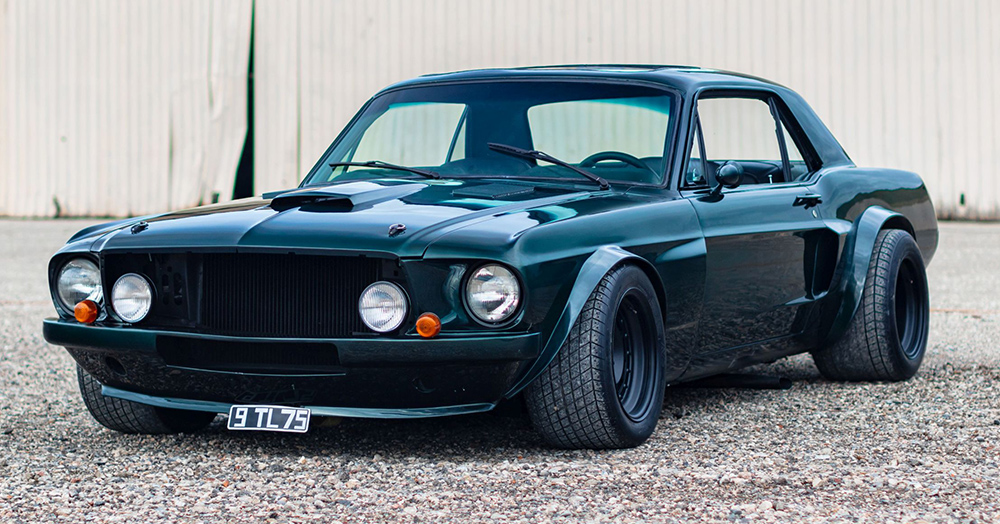
Muscle cars traditionally focus on strong, straight-line performance. They usually come with large-displacement V8 engines, rear-wheel drive, and a heavy build. Models like the Dodge Charger and Chevrolet Impala once defined this group.
These cars valued raw speed over precise handling. Most had simple suspension setups and prioritized power output rather than maneuverability. Even today, the Dodge Challenger stands as a close modern example because of its size, weight, and focus on acceleration.
Typical Muscle Car Traits
| Feature | Description |
|---|---|
| Engine | Large V8 |
| Drivetrain | Rear-wheel drive |
| Handling Focus | Straight-line speed |
| Size and Weight | Big and heavy |
| Audience | Power and performance enthusiasts |
Core Attributes of Pony Cars
Pony cars began with the 1964 Ford Mustang, a smaller, affordable coupe designed for younger drivers. The Mustang’s success inspired rivals like the Chevrolet Camaro and Plymouth Barracuda. These cars combined sporty looks with accessible performance and lower prices.
Most pony cars offered small-block V8s or six-cylinder engines, making them lighter and easier to handle than typical muscle cars. They mixed performance with everyday usability rather than focusing only on straight-line speed.
Common Pony Car Traits
| Feature | Description |
|---|---|
| Engine Options | Small-block V8 or inline-six |
| Size and Weight | Compact and lighter |
| Design Goal | Sporty yet affordable |
| Handling Balance | Better cornering performance |
| Target Market | Younger, style-focused buyers |
Today, the line between the two categories has blurred. Cars like the modern Mustang remain pony cars in spirit thanks to their roots and handling focus, even as their performance rivals that of classic muscle machines.
Evolution Of American Performance Cars
Shifts In Style And Power
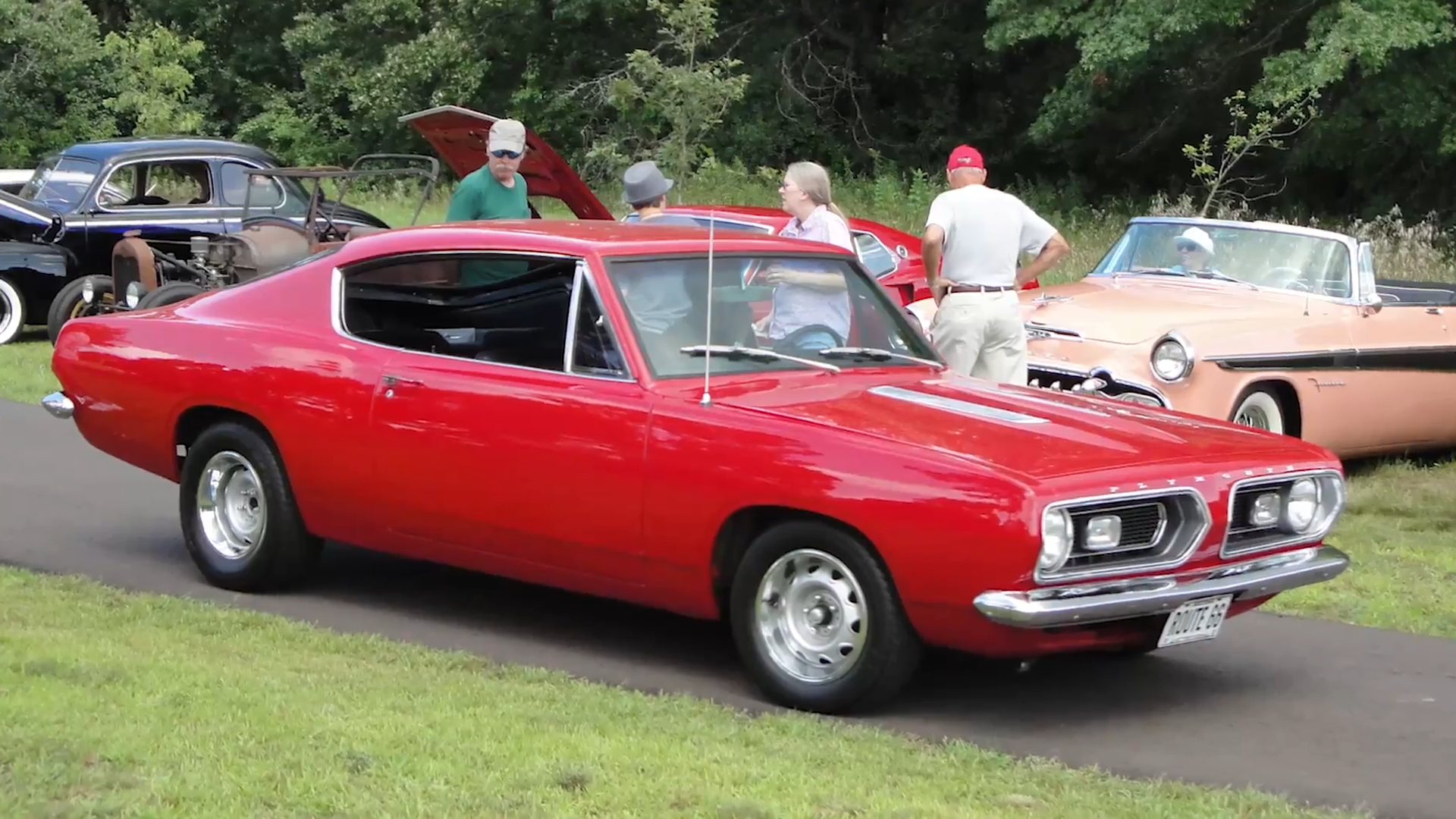
American performance cars started with smaller, sportier models aimed at younger drivers. Ford’s 1964 launch of the Mustang created a new category that balanced affordability with excitement. Its success inspired competitors like the Chevrolet Camaro and Plymouth Barracuda, which followed the same formula of compact design and accessible performance.
Over time, two main types emerged:
- Pony cars: compact, stylish, and often equipped with small-block V8 or six-cylinder engines.
- Muscle cars: larger, heavier, and built for straight-line speed with big V8 engines.
Classic examples included the Dodge Charger, Chevy Impala, and Ford Galaxie, all focused on power more than handling.
Contemporary Designs And Present-Day Models
Modern performance cars blur the lines between the old categories. The Dodge Challenger remains closest to the traditional muscle car ideal with its weight, size, and straight-line focus. The Ford Mustang, however, combines independent rear suspension with improved handling, making it closer to a sports coupe while keeping its heritage alive.
| Model | Category Roots | Focus Today |
|---|---|---|
| Dodge Challenger | Muscle | Straight-line power |
| Ford Mustang | Pony | Balanced performance |
| Chevrolet Camaro | Pony/Muscle blend | Handling and power mix |
Today’s definitions overlap more than before. Some enthusiasts still separate pony from muscle cars, while others view both as modern evolutions of the same American performance spirit.
Debating Modern Classifications
Traditionalists and Modern Thinkers
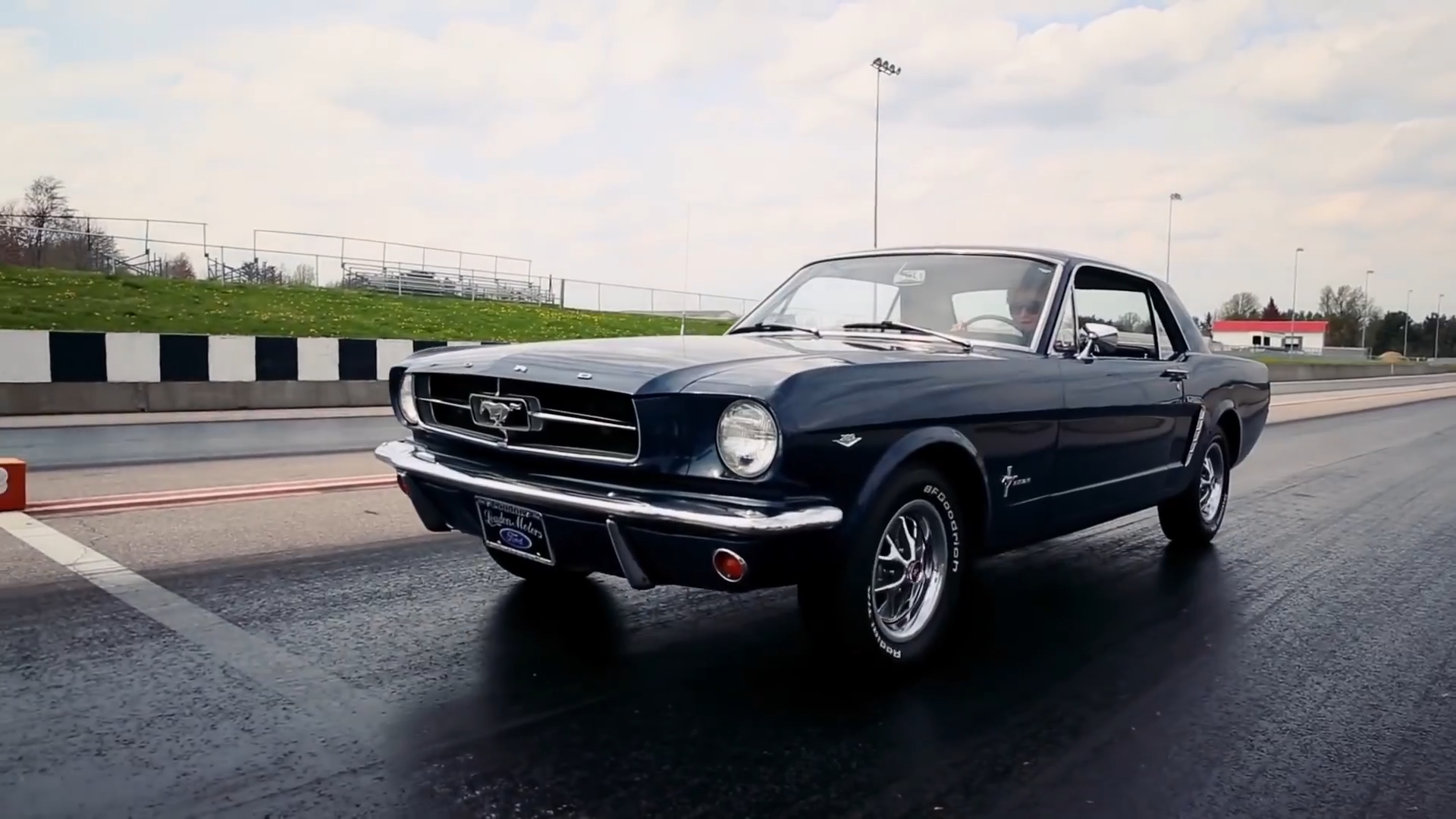
Car enthusiasts often disagree about what counts as a muscle car today. Those who prefer classic definitions argue that real muscle cars should stay true to their large size, hefty engines, and straight-line focus. They view models like the Dodge Challenger as the last genuine representative of that style.
Others take a broader approach. They claim modern reinterpretations—like newer Mustangs or Camaros—deserve inclusion because they reflect the same spirit, even if their engineering or handling has evolved. This divide highlights how heritage and innovation shape modern car identity.
| Group | Viewpoint | Example |
|---|---|---|
| Purists | Stick to the old formula of size and raw power | Dodge Challenger |
| Contemporary fans | Accept refined performance and updated tech | Ford Mustang, Chevy Camaro |
Naming Issues in the Current Market
Modern labeling gets complicated. Cars once clearly separated into muscle or pony now sit somewhere between both. Many models blur the categories, mixing sporty handling with powerful engines.
The smaller field of eligible vehicles adds to the confusion. Fewer cars fit either label neatly, and younger buyers often prefer compact or practical models instead of sporty coupes. Even high-performance versions like the Mustang GT350 or Camaro ZL1 raise questions—is their level of sophistication still muscle, or now sports?
Key factors influencing classification today:
- Size and weight of modern cars
- Level of performance engineering
- Target buyers and market trends
- Historical lineage and model evolution
Transition To Track Builds
Overview of the Lexus IS-200 Project
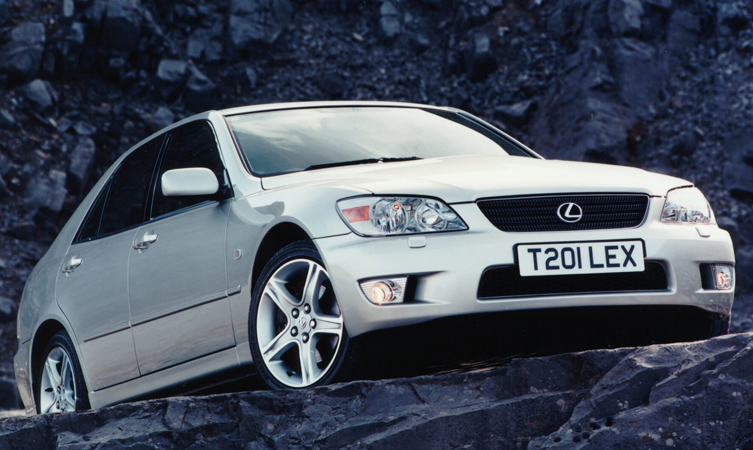
He began with a 15-year-old Lexus IS-200 Sport, purchased for £900, as the base for a low-cost performance build. The plan focused on turning this modest sedan into a capable track-focused machine using affordable parts and practical upgrades.
To start, the car’s rear-wheel-drive layout and sturdy chassis offered a strong foundation for handling improvements. With the right suspension setup and weight reduction, the IS-200 could transform from a daily driver into a reliable track performer.
| Key Starting Specs | Details |
|---|---|
| Model | Lexus IS-200 Sport |
| Engine | Inline-6 |
| Drive Type | Rear-Wheel Drive |
| Purchase Price | £900 |
| Age | 15 Years |
Objectives for the Budget Track Build
The main goal centered on creating the best possible track car within a tight budget. He wanted to show that effective performance tuning doesn’t require large sums of money—only smart choices and a clear understanding of what enhances lap times.
Focus areas included:
- Improving grip and cornering through suspension upgrades
- Reducing weight without sacrificing reliability
- Enhancing engine response with cost-effective tuning
- Maintaining a reasonable total spend
By emphasizing function over appearance, the project aimed to prove that anyone can build a fun, track-ready car with limited funds and practical knowledge.