

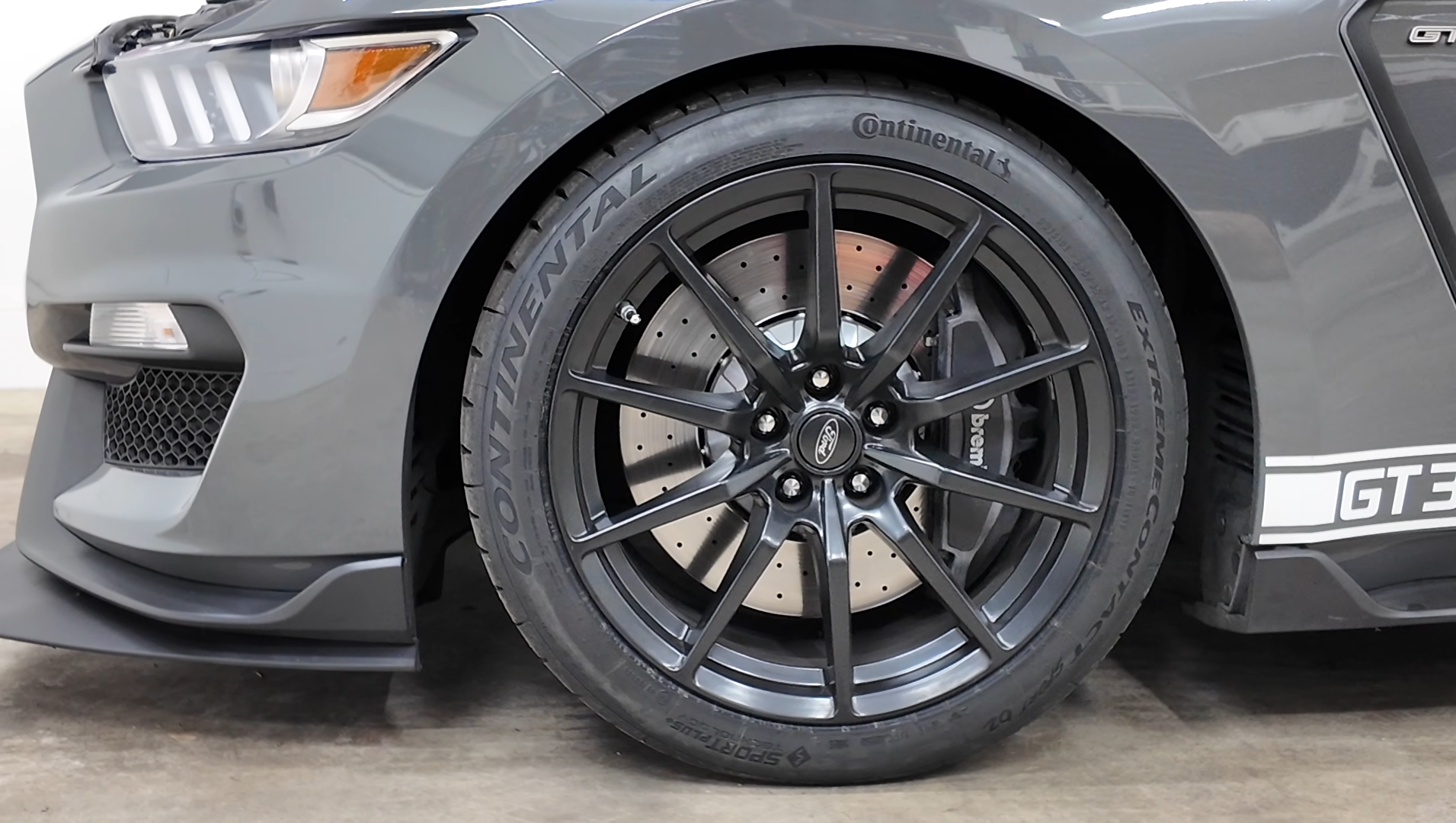
Wheels and tires often need replacement without much notice, and that expense can upset a careful household budget. The total rarely stops at the listed price. Mounting, balancing, pressure sensors, disposal charges, and alignment can raise the final bill quickly. Sensible financing can keep a vehicle safe without draining emergency funds. Clear limits, careful comparisons, and disciplined checkout habits help households cover essential equipment while keeping long-term costs under control.
Start With The Full Cost
Sticker price rarely tells the whole story. Taxes, shipping, installation, valve stems, and protection plans can shift a modest purchase into a much larger obligation. Before deciding how to finance wheels and tires, buyers should gather every charge in one estimate and review the total beside monthly income, fuel costs, insurance, and routine service needs. That wider view reduces the chance of choosing a payment plan that strains cash flow.
Set A Firm Spending Cap
A fixed ceiling keeps attractive upgrades from becoming costly mistakes. Larger rims, premium finishes, or specialty tread may look reasonable one line at a time, yet the combined amount can grow rapidly. Financial counselors often suggest matching vehicle expenses to stable monthly cash flow. That standard helps here as well. If payments crowd out groceries, utilities, or medicine, the purchase has already moved beyond a healthy range.
Compare Payment Lengths
Term length changes more than the monthly bill. A longer schedule can ease immediate pressure, but the final amount paid may rise once finance charges accumulate. Shorter repayment usually costs less overall, though each installment feels heavier. Both figures deserve equal attention. A low monthly number can look harmless during checkout, while the full repayment total may reveal a far more expensive commitment.
Check The Rate And Fees
Interest rate remains a central measure of borrowing cost. Extra charges matter too, including account setup fees, late penalties, processing costs, or purchase options that affect the closing balance. Fine print deserves slow reading, not a quick glance. Even a small rate difference can add meaningful expense over several months. Careful review protects households from terms that appear simple early, then become costly after one delayed payment.
Use Promotions With Care
Promotional financing can help, but only after close review. Deferred interest, low opening payments, or early payoff options may seem attractive at first. Each feature has conditions that shape the real cost. Some plans become expensive if the balance remains after a set date. Others reward early repayment. The safest approach is to map every payment from the first charge to the final receipt.
Match The Product To The Need
Overspending often begins with the product itself. A commuter vehicle may not need oversized wheels or performance tires built for aggressive cornering. Climate, mileage, road conditions, and load demands should guide selection before financing is considered. Many households do well with practical all-season options. Paying over time for equipment that exceeds daily driving needs can weaken the budget without improving safety or comfort.
Review Credit And Approval Terms
Approval should never be confused with affordability. Some lenders let applicants check eligibility without affecting credit, which can make comparison easier. That step is useful, yet the payment schedule still needs close inspection. Ownership rules, due dates, missed payment penalties, and the total financed amount all matter. A lender may approve more than a household can reasonably carry, so restraint remains part of sound decision-making.
Put A Down Payment On The Table
Any upfront payment can reduce the balance that needs financing. Even a modest amount may lower the monthly bill or shorten the repayment period. That can free room for other necessities later in the month. A rebate, tax refund, or seasonal bonus may serve this purpose well. Less borrowed money usually means fewer added charges, which keeps the purchase closer to its true value.
Read The Checkout Details
Final checkout is where many expensive errors appear. Buyers should confirm tire size, wheel fitment, delivery timing, warranty terms, and return rules before approving payment. Mounted products may carry tighter return limits than untouched items. Payment frequency deserves attention as well, especially with biweekly schedules. A careful review takes only minutes, yet it can prevent correction fees, shipping losses, or a plan that no longer fits.
Conclusion
Financing wheels and tires can be a practical choice when the process stays grounded in clear numbers and realistic limits. The strongest approach begins with the full cost, then weighs rates, fees, term length, and actual driving needs before any agreement is signed. Small decisions can shape the final bill more than expected. With careful comparison and disciplined checkout habits, households can protect road safety without creating avoidable financial strain.