

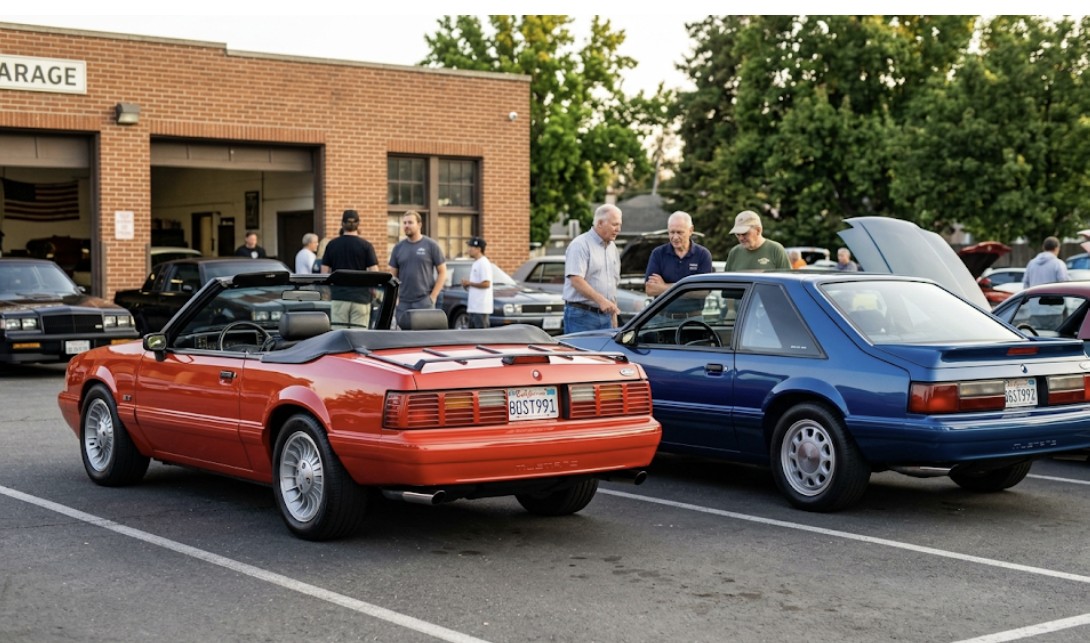
The Foxbody Renaissance: Why 80s and 90s Mustangs Are the Hottest Collector Cars Right Now
A fox era Mustang once looked like an old used car with square lamps and a loud exhaust. Now the same shape pulls bidders into long searches, late-night watchlists, and tense final minutes. The shift feels sudden, yet it makes sense. The 80s and 90s Ford Mustang blends memory, speed, parts support, and classic style without turning ownership into museum work.
Auction interest helped push the Foxbody back into the spotlight. A buyer searching through sca.auction can compare a listing, seller notes, photos, mileage, vin clues, and price before a bid. That matters because one car may look sharp in sunlight, while another has better records, cleaner panels, and a stronger engine bay. Auction discipline separates excitement from regret.
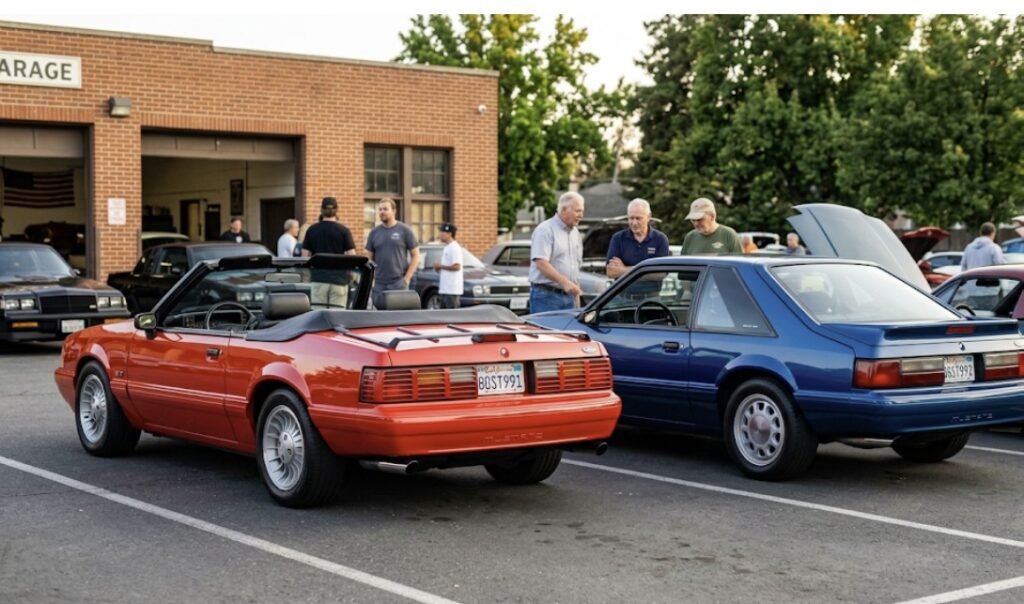
Why the Foxbody Returned
The Foxbody Mustang ran from 1979 through 1993. It followed earlier icons such as the 1965 fastback, 1966 coupe, 67 models, Mach 1, Shelby, Boss 302, Boss 429, and other Ford legends. Those older cars still carry deep respect. Still, the fox generation has its own mood. It feels lighter, simpler, and closer to street culture.
The formula was direct. A v8, rear drive layout, 302 small block, manual transmission, and clean body shape gave drivers a platform that felt honest. The GT looked aggressive. The LX looked plain in the best way. The convertible brought a sunny weekend appeal. The coupe became a favorite for buyers who wanted a clean sleeper.
A man at a regional sale once skipped a black Mustang because the price moved too fast. Then a white coupe appeared. It had low mileage, clean floor pans, tidy carpet, original build notes, and factory panels. The room changed. Nobody cared that the paint job lacked drama. Originality did the talking.
Why Auctions Fit This Market
The Foxbody market rewards research. A local dealer might have one example. Auction platforms show many cars for sale across regions. That wider view helps buyers understand Ford Mustang pricing rather than guess from one classified ad.
Bidding also exposes truth. A seller can praise a car, but final results show what buyers believe. A clean GT with records may bring strong money. A rough project with major rust may stall fast. A modified car with poor wiring can lose trust even if the photos look exciting.
| Buyer goal | Smart target | Main concern |
| Weekend cruiser | GT hatch | worn suspension |
| Long hold | low-mileage coupe | high entry price |
| Summer fun | convertible | leaks and seals |
| Project build | complete roller | rebuild cost |
| Stock collection | original survivor | missing records |
The table shows a simple lesson. The best target depends on use. A bidder chasing future valuation should not shop the same way as a driver who wants Friday night noise.
What Drives Price
Price follows proof. Documentation, factory panels, clean trim, and believable mileage lift value. A clean engine bay can tell a better story than a shiny engine with unknown parts. A correct code matters when buyers care about spec. A careful restoration helps. A rushed rebuild hurts.
A rough project near 10k can tempt a young enthusiast. A sharp driver can pass 20k. Special colors, clean documents, and stock condition can move toward 32k. Rare examples with strong history can chase 50k. A price guide helps, yet inspection matters more than any chart.
Hagerty data, Autotrader searches, and vintage Mustang forum discussions point toward one trend. The classic car market rewards condition. The broader car market may chase new technology. Foxbody buyers reward history, originality, and a clean story.
Why It Beats Many Rivals
The Foxbody does not need to defeat every rival. A Corvette can feel sharper. Camaros can look meaner. Older fastbacks can feel more dramatic. The fox wins through practicality, parts access, and emotional pull.
A classic car from the 60s often asks for careful storage. A fox Mustang still handles errands, meets, and back road drives. The cabin is simple. The hood opens wide. The aftermarket supports brakes, cooling, trim, wiring, suspension, and engine parts. A generator, belts, sensors, and service items do not scare a skilled home mechanic.
Reliability also supports demand. The 5.0 platform has a long record of use. Disc brakes, better tires, and careful service make the car easier to enjoy. A tasteful upgrade can improve safety. A rough mod can ruin trust. One clean modification feels reasonable. Five careless changes create doubt.
Inspection Before Any Bid
Auction pressure can cloud judgment. A smart buyer slows down. Photos matter, yet they do not replace careful checks. A bright repaint can hide rust. Fresh carpet can hide weak floor pans. A loud exhaust can distract from tired mechanical parts.
Use this checklist before bidding.
- Confirm the title and body tags.
- Match the trim code with the claimed spec.
- Check torque boxes and floor pans.
- Look for major rust near hatch seams.
- Review service records.
- Study panel gaps before trusting a paint job.
- Ask for cold start video.
- Compare price with sold results.
- Set a break even number before bidding.
- Save money for tires, fluids, and brakes.
Mustang owners notice details that newcomers miss. Club of America groups, local meets, and online forums help decode trim, options, and common faults. That shared knowledge protects buyers from shiny mistakes.
Restoration Choices That Protect Value
Restoration should fit the car. A stock survivor needs gentle service, careful cleaning, and safe storage. A tired driver needs brakes, hoses, cooling, fuel lines, and wiring before cosmetic work. A full restore makes sense only when the body and paperwork justify the cost.
Do not erase the story. Save photos. Keep original parts. Label hardware. Store factory wheels. Future buyers pay for proof. An original seat, factory radio, or untouched engine bay can matter more than a trendy part.
The fox does not need borrowed glory from cobra jet history or older muscle. Its identity is strong. The 300 hp dream came through later builds and tuning culture, but the charm comes from balance. It feels alive because it is light, vocal, and direct.
Why the Fox Feels Relevant Now
The Foxbody has passed 25 years, which changed perception. It no longer feels like a worn used car. It feels like a collector piece from a clear era. The sound, shape, seats, gauges, and stance carry a real time stamp.
There is also a practical reason for the rise. Parts remain available. Knowledge remains easy to find. The cars are small enough for home garages. They are sporty without feeling fragile. That mix attracts both the experienced collector and the first-time classic buyer.
A good Foxbody Mustang can still feel personal. It starts with a rumble. It smells faintly of old vinyl and warm oil. It turns ordinary roads into small events. That feeling explains why bidders keep coming back.
Conclusion
The Foxbody renaissance is not a random trend. It grew from nostalgia, auction visibility, parts support, and honest driving character. The Ford badge brings history. The Mustang name brings emotion. The platform brings access.
Smart buyers should study the listing, check records, compare price, and avoid hidden rust. The right Mustang does more than fill a garage space. It carries a decade of street sound, weekend ambition, and collector cars energy into the present.
FAQ
Why are Foxbody Mustangs rising in value?
Values rose because clean examples became harder to find. Nostalgia, auction results, and parts support also pushed demand higher.
Is a GT always worth more than an LX?
No. The GT has a bolder look. The LX often attracts buyers who like lighter styling and sleeper character.
Should a buyer choose stock condition or aftermarket parts?
Stock condition usually protects value better. Quality aftermarket parts help when records prove careful work.
Does low-mileage always mean a better car?
No. Storage damage, dry seals, old fluids, and weak tires can hurt a low-mileage car.
What scares experienced bidders away?
Major rust, vague seller claims, missing records, poor wiring, and cheap repaint work usually raise concern.