
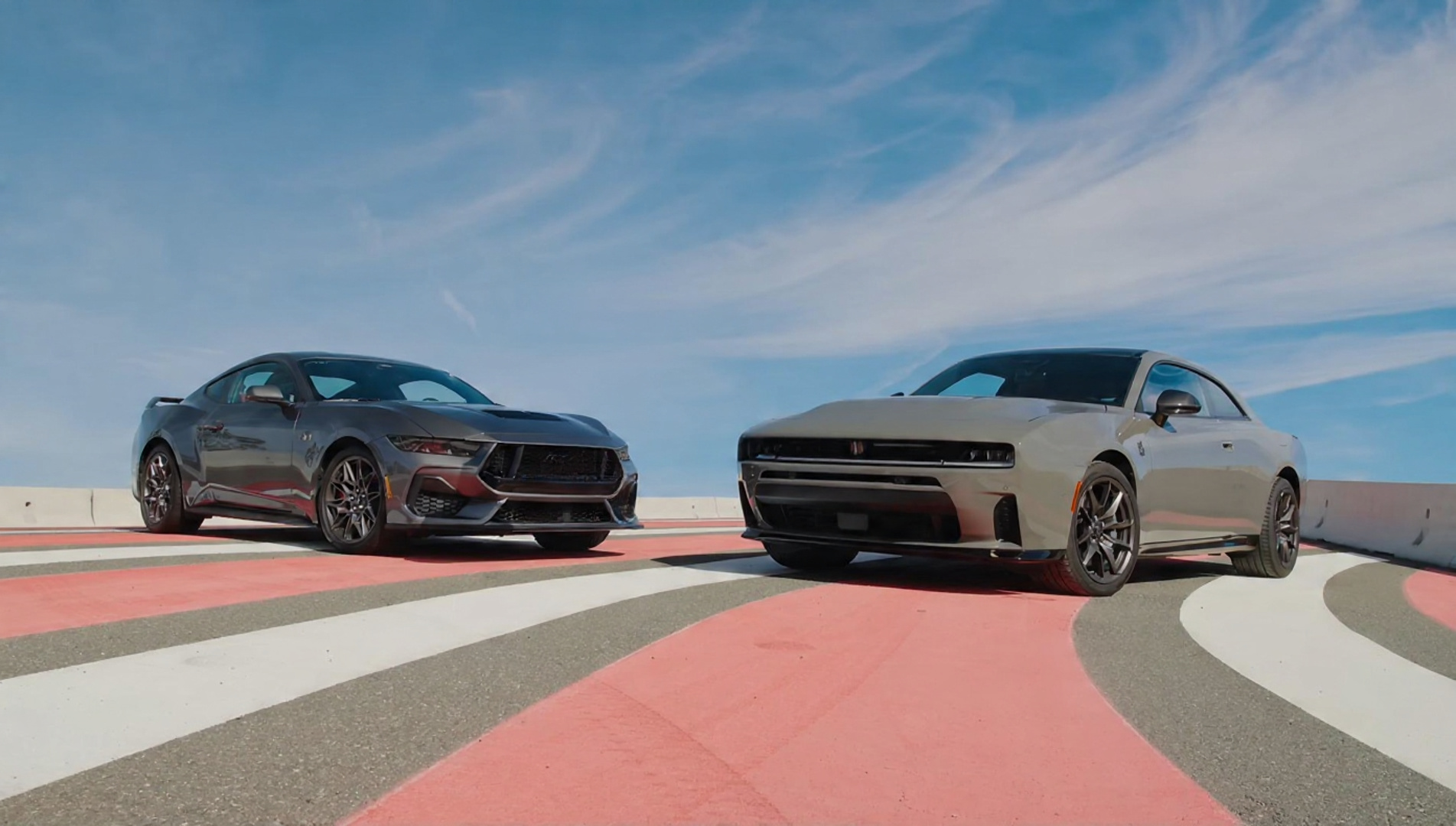
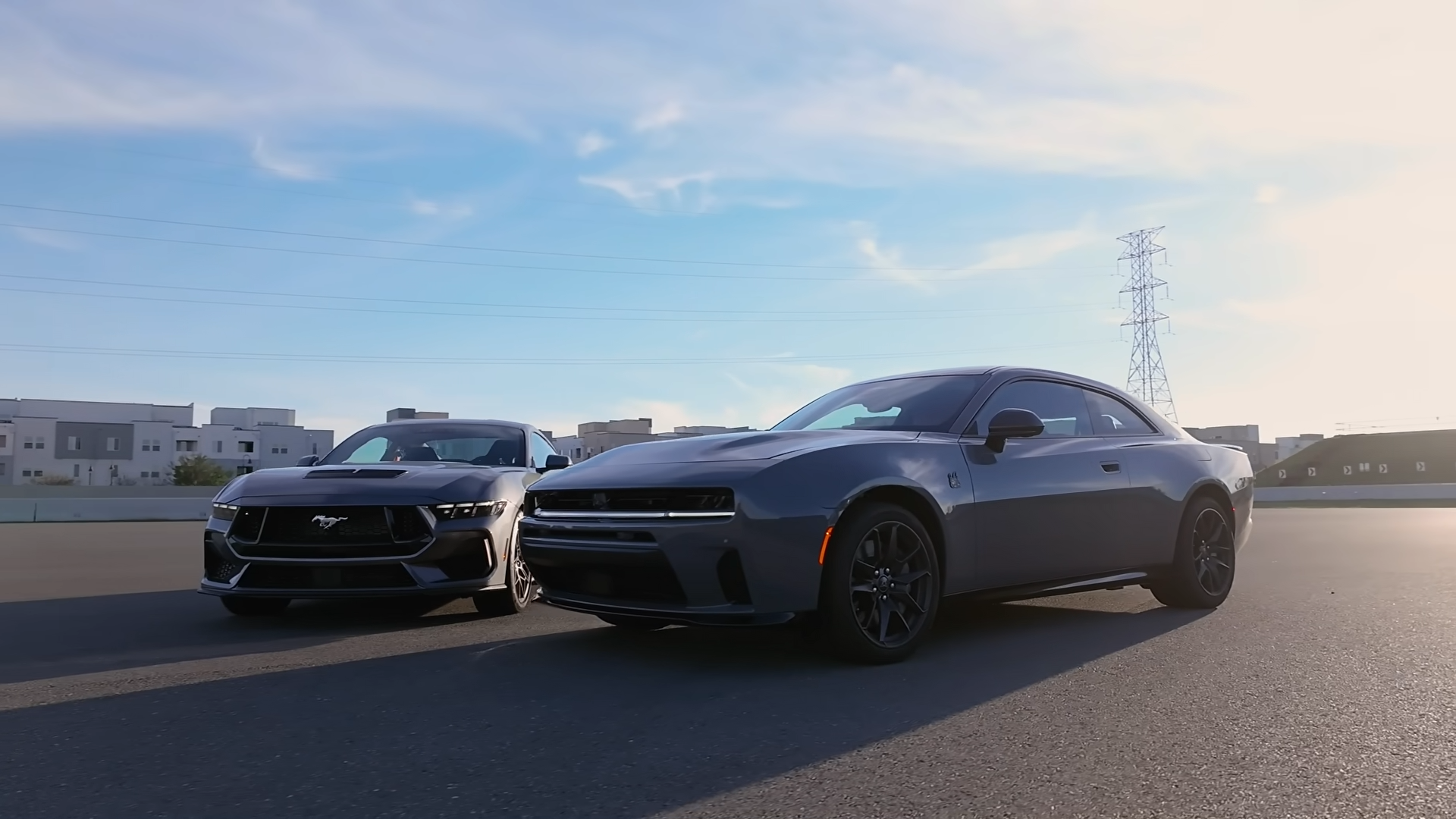
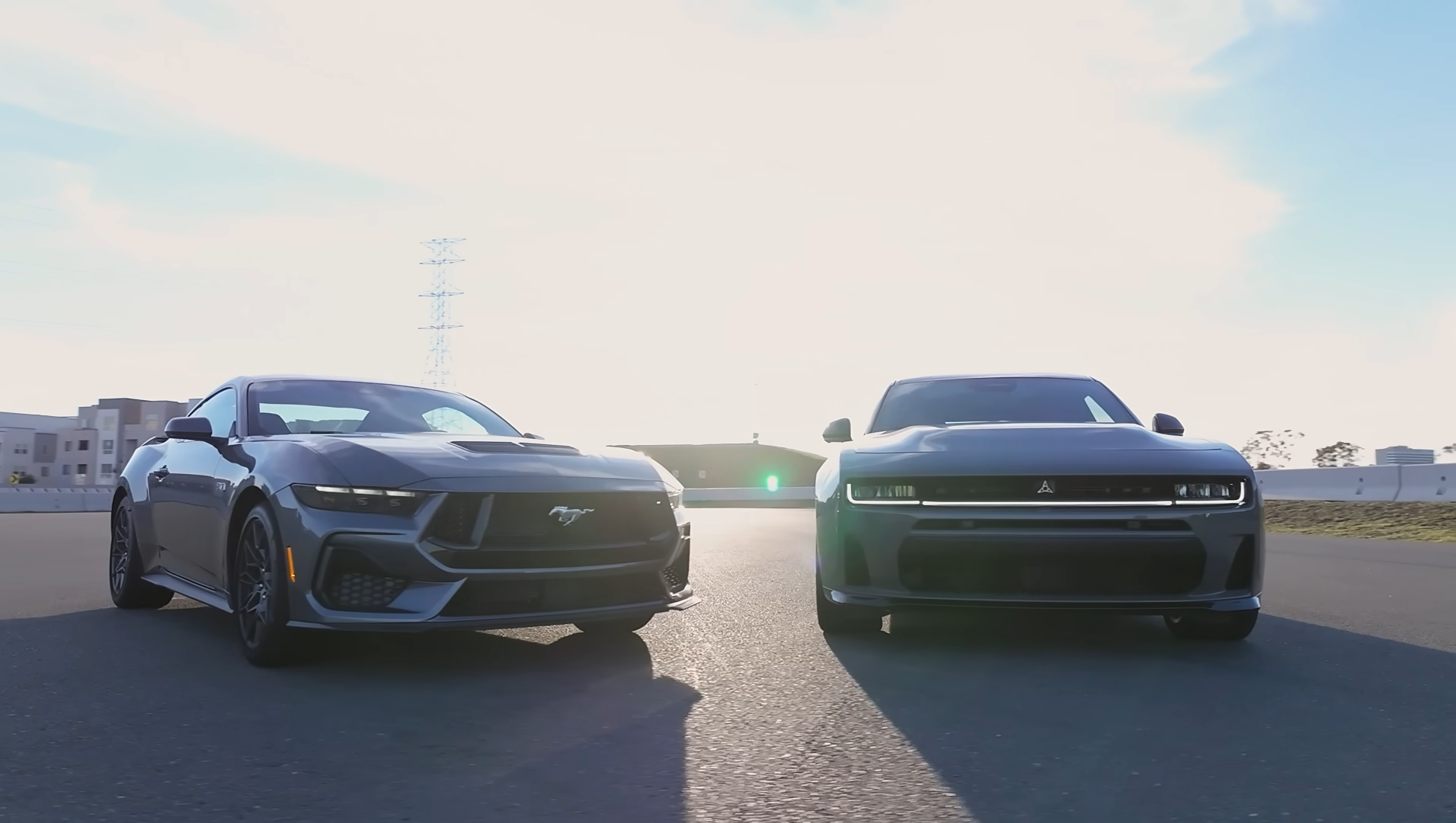
In a controlled evaluation by Edmunds, two distinctly different interpretations of modern American muscle collide: the turbocharged, all-wheel-drive Dodge Charger Six-Pack and the naturally aspirated V8-powered Ford Mustang GT. While both target performance enthusiasts, their engineering philosophies diverge sharply—setting the stage for a revealing comparison across acceleration, braking, handling, and real-world usability.
Acceleration: Technology vs Tradition
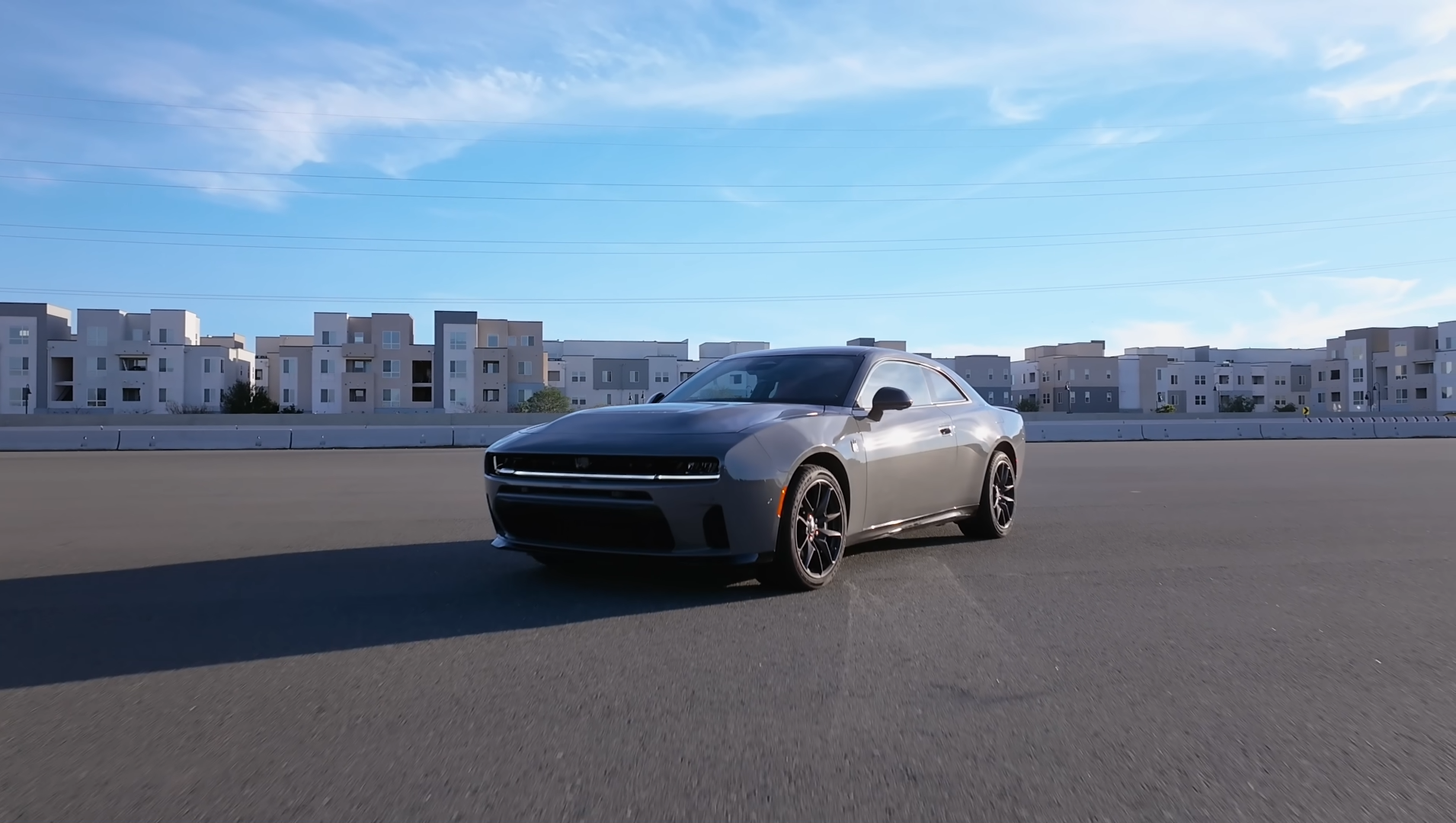
Off the line, the Charger Six-Pack leverages its twin-turbo inline-six and standard all-wheel drive to deliver impressive initial traction. With launch control engaged, it achieves a 0–60 mph sprint in 4.2 seconds—narrowly edging the Mustang GT. The ability to build boost before launch gives the Dodge a measurable advantage in repeatable, straight-line acceleration.
However, this performance comes with caveats. During repeated runs, the Charger’s acceleration times degraded significantly, suggesting thermal management limitations. This inconsistency raises concerns about sustained performance under demanding conditions.
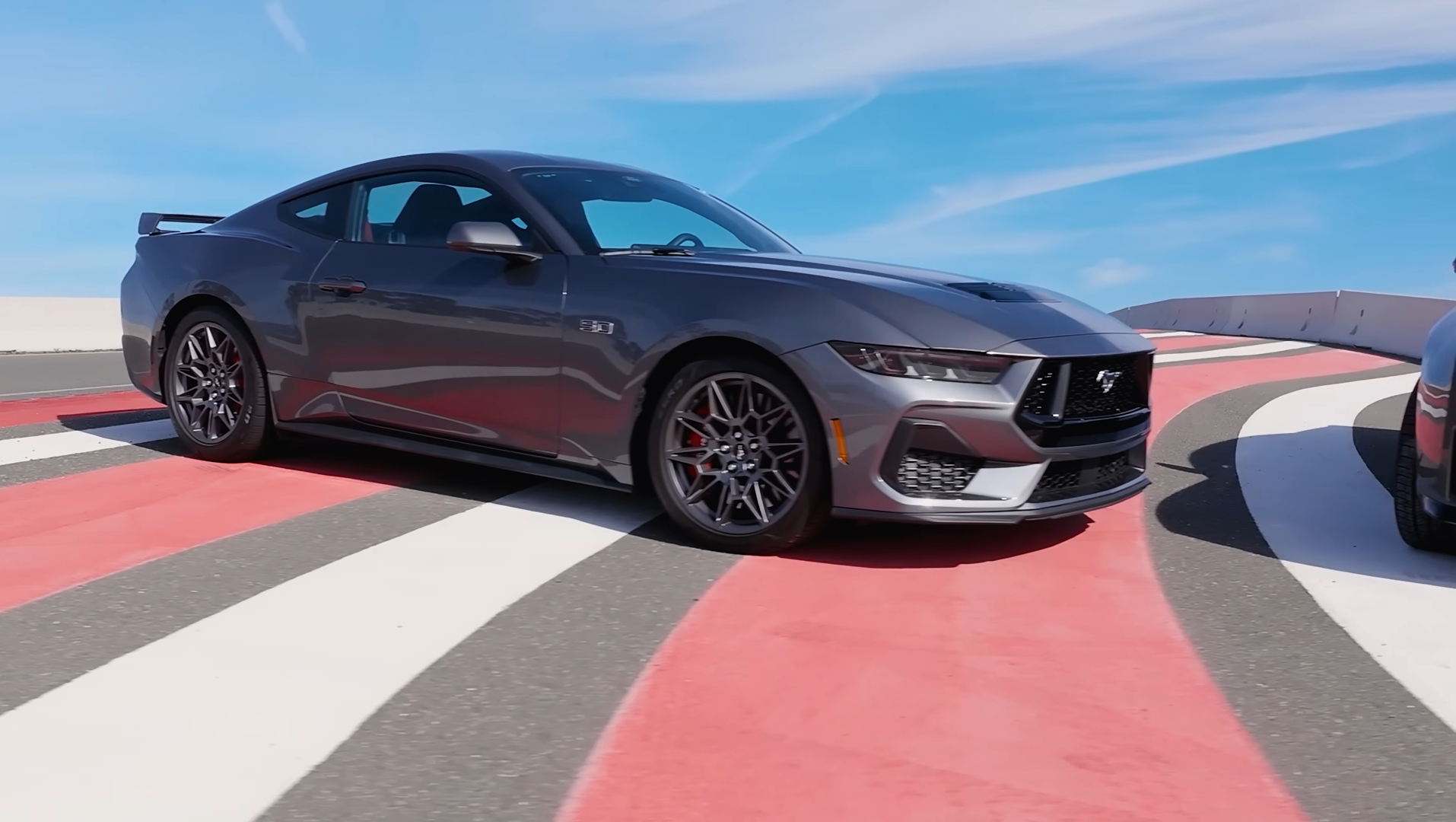
By contrast, the Mustang GT—despite lacking launch control—delivers more consistent results. Its naturally aspirated 5.0-liter V8 may sacrifice a fraction of initial acceleration, but its linear power delivery and reliability under repeated stress reinforce its track credibility.
Braking Performance: Mass Matters
Weight becomes a decisive factor under braking. The Charger tips the scales at nearly 4,900 pounds—roughly 900 pounds heavier than the Mustang. This mass penalty manifests clearly: the Dodge requires 122 feet to stop from 60 mph, compared to just 100 feet for the Mustang.
Beyond raw numbers, pedal feel and confidence also differ. The Mustang’s braking system offers sharper initial bite and shorter stopping distances, aided by performance-oriented summer tires. The Charger, equipped with all-season rubber, struggles to match this level of responsiveness, highlighting a mismatch between its weight and braking capability.
Handling and Dynamics: Precision vs Compromise
On the skid pad, the Mustang further extends its advantage, generating 0.98g of lateral grip versus the Charger’s 0.90g. This disparity translates directly to on-track behavior.
The Mustang GT exhibits balanced, communicative handling with strong front-end grip and predictable rear-wheel-drive dynamics. Its chassis encourages driver engagement, rewarding aggressive inputs with increased stability and cornering confidence. Optional performance upgrades—such as adaptive dampers and high-performance tires—elevate it beyond traditional muscle car expectations into genuine sports car territory.
In contrast, the Charger struggles with its mass and tire limitations. Pronounced understeer, reduced steering feedback, and noticeable body roll undermine its performance. While its low-end torque aids corner exits, the overall driving experience becomes less cohesive as speeds increase. The all-wheel-drive system enhances traction but cannot fully compensate for the vehicle’s fundamental dynamic shortcomings.
Usability: Practicality vs Purity
Where the Charger redeems itself is in daily usability. Its spacious interior, expansive rear seating, and versatile hatchback cargo area position it as a practical alternative to traditional coupes. For buyers seeking a blend of performance and family-friendly utility, it offers compelling advantages.
The Mustang, by comparison, prioritizes the driver. Its rear seats are cramped, and cargo access is limited, but its superior driving position, supportive seating, and intuitive controls enhance everyday engagement behind the wheel.
Verdict: Defining the Modern Muscle Benchmark
Despite the Charger Six-Pack’s technological advancements and marginal acceleration advantage, the Ford Mustang GT emerges as the definitive winner. Its superior braking, handling, consistency, and driver engagement establish it as the current benchmark for modern muscle cars.
The Charger represents an ambitious evolution—blending turbocharging and all-wheel drive—but ultimately falls short of delivering the cohesive performance expected in this segment. For enthusiasts prioritizing driving dynamics, the Mustang remains the clear choice.
Source: Edmunds Cars