

The used Ford Mustang market offers more opportunities than the popularity of the latest GT and Dark Horse models might suggest. While buyers often gravitate toward newer generations and naturally aspirated V8 engines, several overlooked Mustangs deliver compelling performance, distinctive character, and substantial value for considerably less money.
Some suffer from the stigma attached to their engine configurations. Others have been overshadowed by newer powertrains or chassis upgrades. Yet these cars can make excellent purchases for enthusiasts who prioritize real-world driving enjoyment over badges, model-year prestige, and online opinions.
From the 305-horsepower V6 to the final evolution of the S197 Mustang GT, here are five used Mustangs worth considering, their typical asking prices, and the mechanical issues prospective buyers should investigate before purchasing.
5. 2011–2014 Ford Mustang V6: Affordable Performance Without the V8 Premium
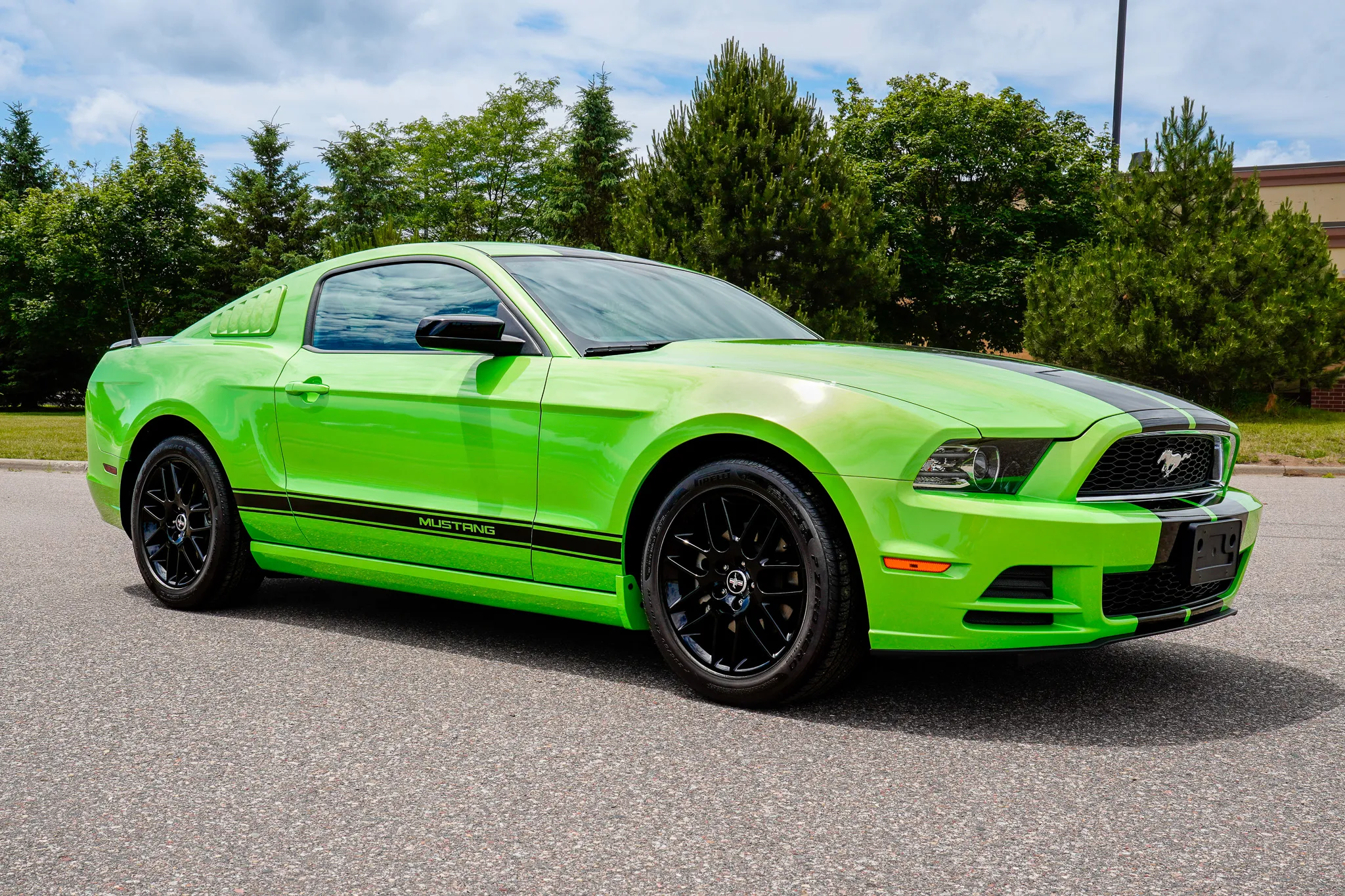
Typical value: $8,000 – $13,000
The 2011–2014 Ford Mustang V6 is one of the most overlooked ways to enter modern Mustang ownership. Although enthusiasts often regard the GT as the default choice, the V6 offers considerably more performance than its reputation suggests, making it an attractive option for buyers who want an affordable rear-wheel-drive sports coupe.
Ford replaced the outgoing 4.0-liter V6 for the 2011 model year with a 3.7-liter Cyclone engine featuring four valves per cylinder and variable cam timing. Producing 305 horsepower and 280 lb-ft of torque, it delivered performance that surpassed several older Mustang GT models while offering a more accessible purchase price.
Acceleration to 60 mph takes approximately five to six seconds, depending on the transmission, tires, and conditions. The result is a car that feels genuinely quick on public roads without requiring the additional purchase cost and running expenses associated with a V8.
Premium-trim examples can add leather upholstery, upgraded infotainment, power-adjustable seats, and an optional glass roof. For buyers primarily interested in commuting, weekend drives, and occasional spirited driving, these features can make a well-equipped V6 a more sensible purchase than an older or higher-mileage GT.
What to check before buying
The cooling system deserves particular attention. Inspect the coolant for discoloration, oil contamination, or signs of previous overheating, and investigate any unexplained coolant loss. A head-gasket failure can turn an inexpensive Mustang into a costly repair project.
Automatic-equipped cars should be checked for delayed engagement, hesitation, or abnormal shifting, alongside a review of transmission maintenance records. Verify the exact transmission fitted to the car rather than assuming all examples share the same unit. Manual versions require a clutch inspection, including engagement consistency and evidence of slipping.
Finally, test the infotainment system, power seats, glass-roof mechanism where fitted, and other electrical equipment. Run the vehicle identification number (VIN) through Ford’s recall lookup and obtain a pre-purchase inspection before committing.
4. 2005–2009 Ford Mustang GT: The S197’s Old-School V8 Appeal
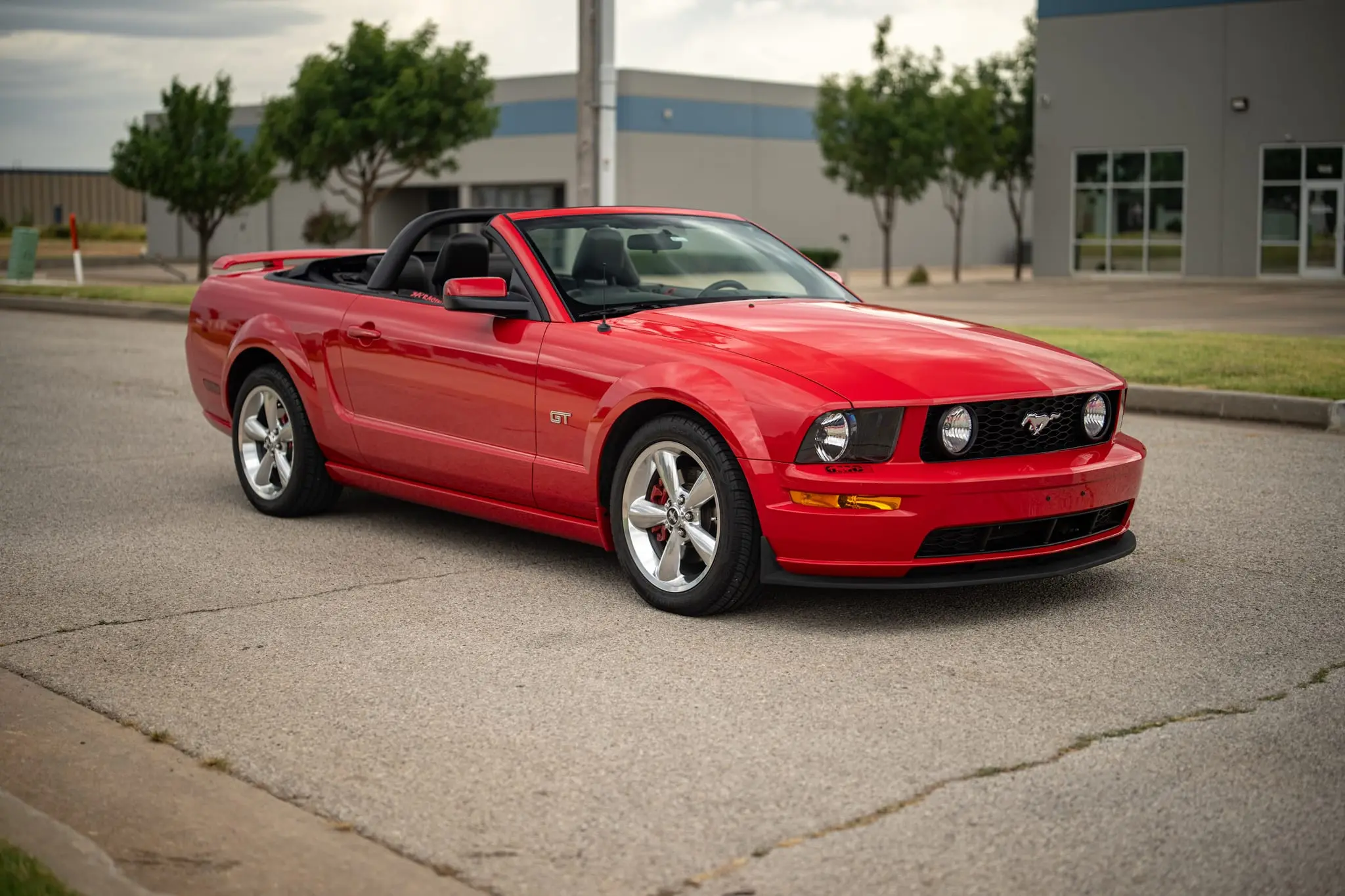
Typical value: $6,000–$18,000+
The fifth-generation S197 Mustang marked a return to the model’s traditional styling. Its long hood, muscular proportions, and retro-inspired details helped restore the Mustang’s visual connection to the original pony car while giving the GT a distinctly American character.
Under the hood, the 2005–2009 Mustang GT uses a 4.6-liter three-valve Modular V8 producing 300 horsepower and 320 lb-ft of torque. Although it lacks the high-revving character and output of Ford’s later Coyote engine, it delivers a traditional V8 soundtrack and accessible naturally aspirated power.
The S197 also benefits from a relatively straightforward mechanical layout. Its solid rear axle sacrifices some of the composure and ride sophistication of newer independent-rear-suspension Mustangs, but it remains perfectly enjoyable for everyday driving and occasional performance use.
For enthusiasts who value character over outright lap times, the earlier S197 GT offers an appealing combination of mechanical simplicity, classic styling, and V8 performance.
What to check before buying
The most important distinction is between the early and late cars. The 2005–2007 GT uses a two-piece spark-plug design that can be difficult to remove because carbon deposits and other factors can cause the plugs to seize in the cylinder heads. Improper removal can break the plugs, requiring specialized extraction work.
The 2008–2009 models received revised spark plugs that substantially reduced this particular concern. On an early example without documented spark-plug service, ask whether the work has been completed by a technician familiar with the engine. Avoid assuming that every removal will result in damage, but account for the potential cost.
Inspect the rear differential for leaks, abnormal whine, clunks, and chatter during turns. Review the condition of the suspension, tires, and brakes, especially on cars that have been modified or driven aggressively.
Interior trim also deserves scrutiny. Cracked dashboard components, broken door-handle parts, and worn switches can indicate age and previous use, even when the powertrain remains healthy.
A properly maintained S197 GT is an appealing choice for anyone seeking a traditional V8 Mustang for approximately $11,000–$15,000.
3. 2015–2017 Ford Mustang EcoBoost: Turbocharged Performance at a Discount
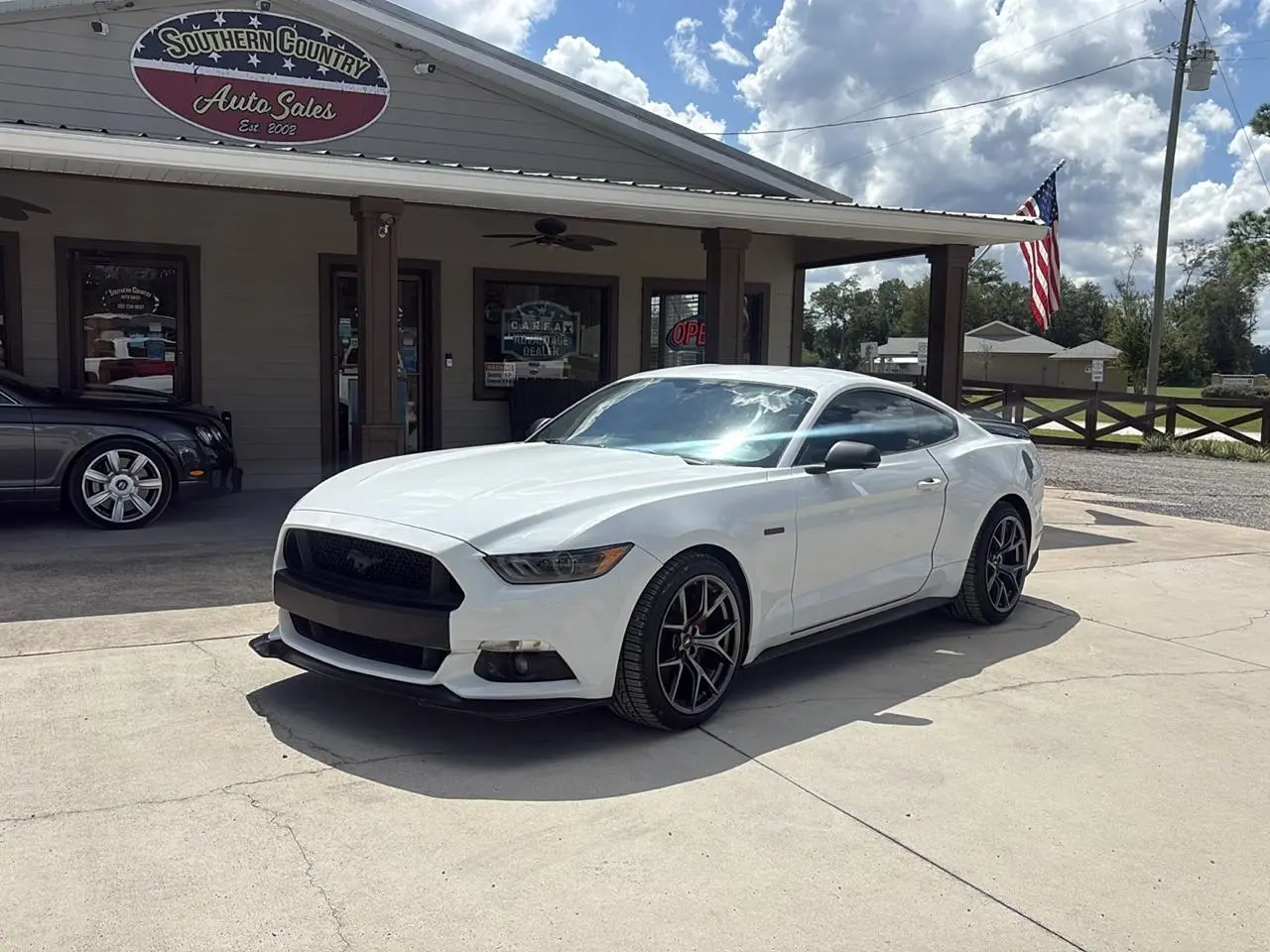
Typical value: $14,000–$19,000
The sixth-generation Mustang introduced a major chassis change: independent rear suspension became standard throughout the lineup. This gave the EcoBoost a more sophisticated foundation than earlier Mustangs, improving its ability to handle uneven roads and deliver more controlled cornering.
Its 2.3-liter turbocharged four-cylinder produces 310 horsepower and 320 lb-ft of torque in the 2015–2017 specification. The engine’s architecture is related to the broader Ford EcoBoost family, including the unit used in the Focus RS, although the Mustang’s powertrain calibration and supporting hardware differ.
The result is a genuinely quick sports coupe with strong midrange torque and performance that does not depend on a V8. Its lighter engine also reduces front-end mass relative to the GT, contributing to a different balance through corners.
For daily driving, the EcoBoost can offer lower fuel consumption than a comparable GT, depending on driving style and conditions. Insurance costs may also be lower, although premiums vary significantly with the driver’s age, location, coverage, and driving record.
What to check before buying
Maintenance history is particularly important with a turbocharged, direct-injection engine. Look for evidence of regular oil changes using the correct specification and investigate any history of overheating, abnormal smoke, or unexplained oil consumption.
Direct injection can contribute to carbon deposits on intake valves because fuel does not wash over those surfaces during normal operation. However, the need for intake cleaning depends on mileage, operating conditions, and the engine’s condition; a walnut-blasting service should not be treated as automatically mandatory at exactly 60,000 miles.
Inspect the intercooler, charge pipes, and associated connections for damage, leaks, or loose fittings. During a road test, check for inconsistent boost delivery, hesitation, warning lights, or unusual turbocharger noises.
Also inspect the cooling system and look for modifications that have not been professionally installed or properly calibrated. Poorly executed tuning can introduce risks that are not immediately apparent during a short test drive.
The EcoBoost is not a substitute for a V8 in sound or character. Nevertheless, it offers a strong combination of turbocharged performance, independent rear suspension, and relative affordability.
2. 2010 Ford Mustang GT: The Overlooked Pre-Coyote V8
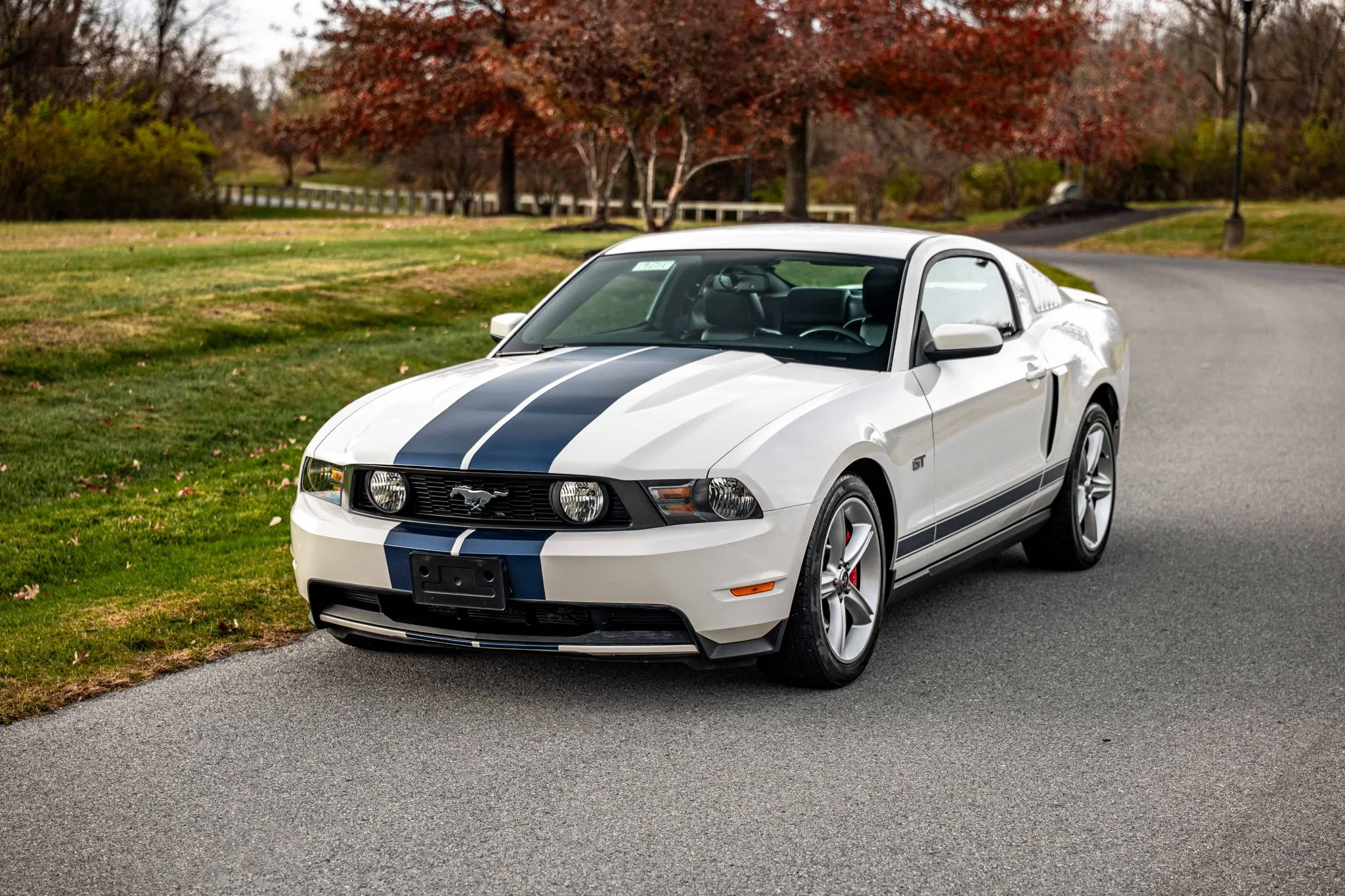
Typical value: $13,000–$16,000
The 2010 Mustang GT occupies an interesting position in the model’s history. It received revised exterior styling, an updated interior, and chassis refinements that improved on the earlier S197. Yet its arrival just before the Coyote-powered Mustang GT has left it overshadowed in the used market.
Its 4.6-liter three-valve V8 produces 315 horsepower and 325 lb-ft of torque. Although those figures are competitive for a naturally aspirated V8 of its era, the engine cannot match the later 5.0-liter Coyote’s performance at higher engine speeds.
That difference has shaped the market’s perception of the car. Buyers often stretch their budgets to reach a 2011 or newer GT, leaving the 2010 overlooked despite its familiar mechanical character, revised cabin, and traditional V8 experience.
The 2010 also benefits from updated styling that gives it a more modern appearance than the 2005–2009 models. Depending on specification, buyers may find desirable equipment such as upgraded brakes and suspension components.
What to check before buying
The 2010 GT avoids the specific two-piece spark-plug removal issue associated with the earlier 4.6-liter three-valve engines. However, age and maintenance remain important considerations.
Identify the transmission fitted to the car. The five-speed manual and six-speed manual have different characteristics, and the precise gearbox should be verified from the vehicle’s documentation rather than assumed from the model year alone.
Inspect the rear differential for leaks, whine, and excessive backlash. Check the coolant expansion tank for hairline cracks, dried coolant residue, or staining around the cap. These signs may indicate a leak that becomes more apparent once the engine reaches operating temperature.
During the test drive, assess clutch engagement, transmission behavior, braking performance, and suspension condition. Modified examples deserve additional scrutiny, especially if the engine calibration, exhaust, or drivetrain components have been changed.
At $13,000–$16,000, a well-maintained 2010 GT can provide a compelling alternative to a more expensive early Coyote Mustang for buyers who value the S197’s character.
1. 2013–2014 Ford Mustang GT: The Most Developed S197 GT
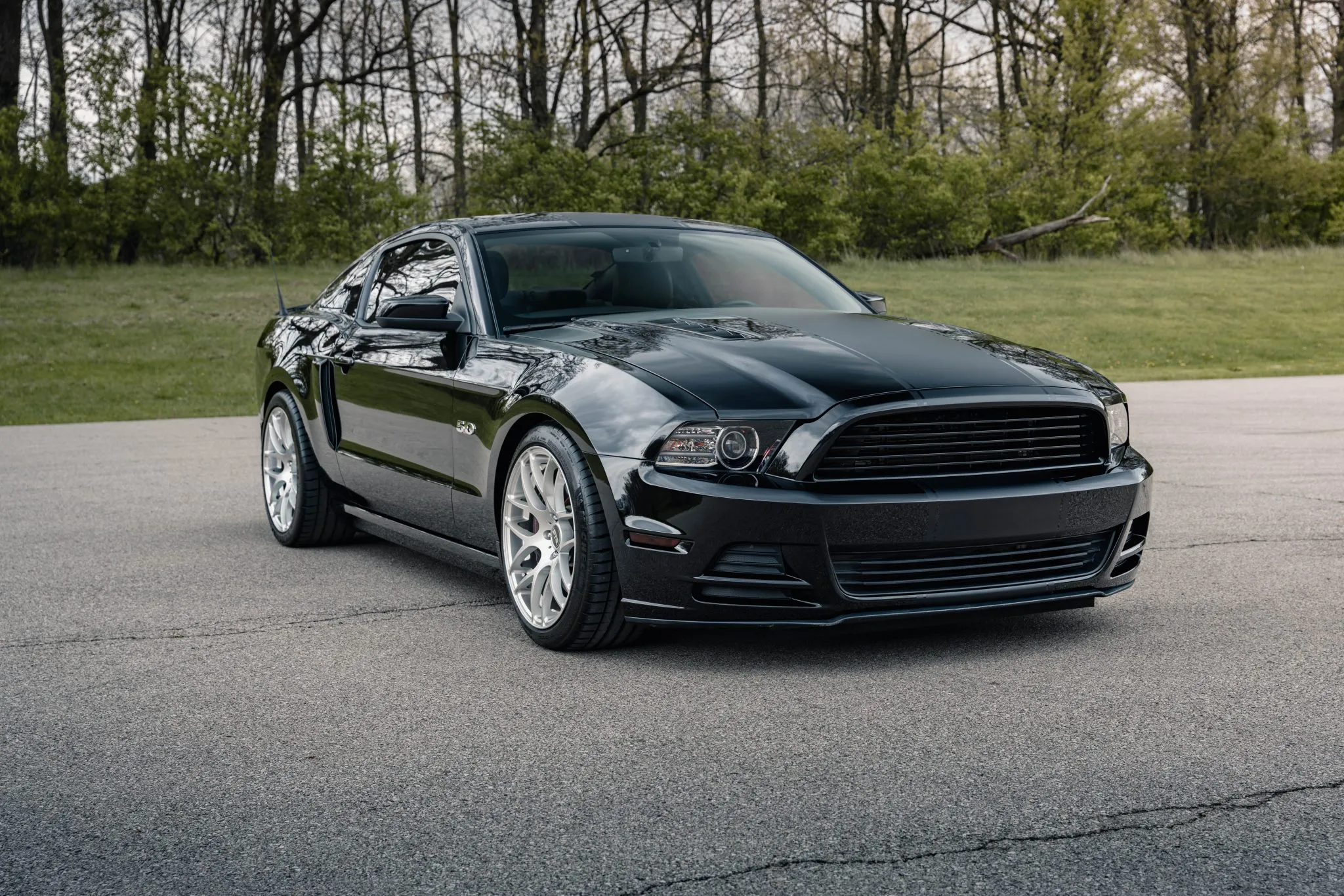
Typical value: $17,000–$22,000
For buyers seeking a naturally aspirated V8 Mustang without stepping into the higher prices often commanded by newer generations, the 2013–2014 GT makes a strong case for itself.
These final S197 GT models use Ford’s 5.0-liter Coyote V8, rated at 420 horsepower and 390 lb-ft of torque. The engine delivers a broader performance envelope than the preceding 4.6-liter V8, combining strong low- and midrange response with an eagerness to rev.
The 2013–2014 models also benefited from the S197’s ongoing development. Revised styling, updated equipment, and improvements introduced during the generation’s production run helped create a more complete package than the earliest S197 cars.
The 2013 and 2014 GT are not identical in every respect, and equipment varies by configuration. Buyers should verify claims about specific intake, suspension, and brake upgrades against the car’s model year and factory specification rather than assuming every example has the same hardware.
The major compromise is the solid rear axle. The following S550 generation introduced independent rear suspension, bringing advantages in ride quality and handling over uneven surfaces. However, that improvement does not automatically make every S550 worth thousands of dollars more to every buyer.
For road driving and occasional track use, a clean late S197 GT can offer substantial performance without requiring the budget associated with a newer Mustang.
What to check before buying
Start with the engine’s service history and oil level. An engine that is noticeably low on oil warrants further investigation, particularly if the seller cannot explain the discrepancy. Check for leaks, smoke, abnormal noises, and evidence of poor maintenance.
A brief ticking noise during a cold start may be harmless, but persistent metallic ticking should be diagnosed by a qualified technician before purchase. Do not rely on a seller’s assurance that an unexplained noise is normal.
Manual cars require particular attention to clutch condition. A car that has seen repeated hard launches or track use may need clutch work sooner than one used primarily for highway driving. Check for slipping under acceleration, difficult gear engagement, and unusual drivetrain noises.
Inspect the differential for leaks and listen for whining or clunking. Examine the rear tires for uneven wear, particularly along the inner edges, which may indicate alignment issues, worn suspension components, or previous hard use.
Finally, verify that the suspension, brakes, wheels, and engine modifications are appropriate for the car and supported by quality workmanship. A modified GT can be rewarding, but poor installation or aggressive tuning may outweigh the appeal of its upgrades.