

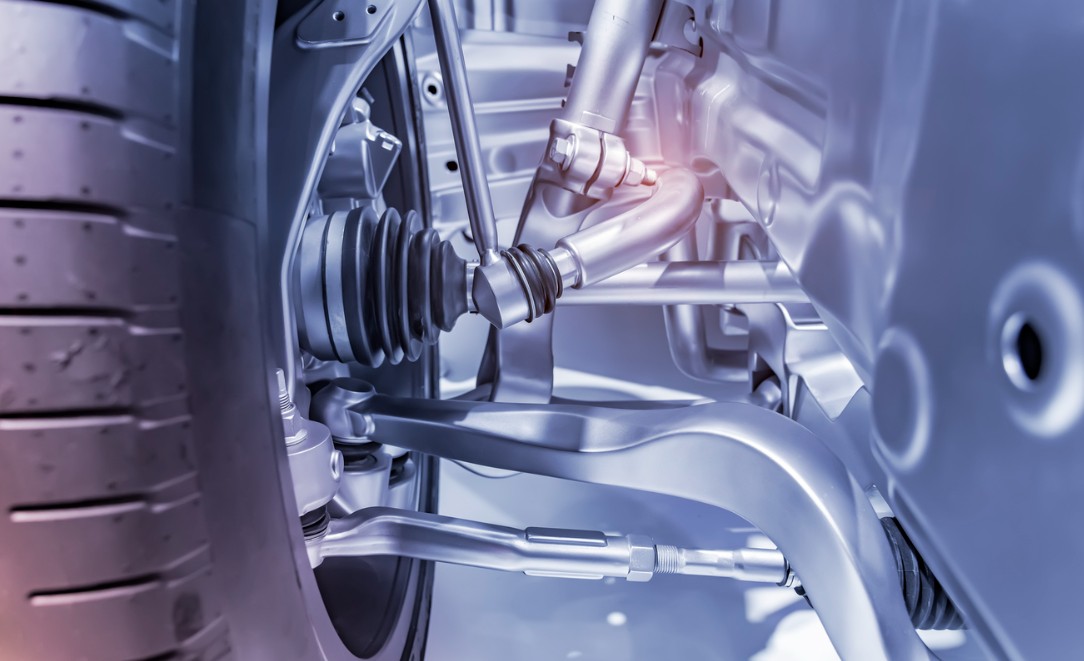
When it comes to high-performance driving, suspension systems are often viewed through the lens of handling and comfort. However, one of their most critical functions is preventing accidents, particularly at highway speeds where split-second vehicle control can mean the difference between a near-miss and a devastating collision.
Understanding Suspension’s Safety Function
Vehicle suspension systems do far more than absorb bumps in the road. They’re engineered to maintain tire contact with the pavement, ensure predictable steering response, and keep the vehicle stable during emergency maneuvers. At high speeds, these functions become exponentially more important.
According to the Federal Highway Administration, safety-related performance in high-speed situations is improved by maintaining consistent axle loads and keeping the vehicle’s weight distribution balanced. When a suspension system fails to perform optimally, it compromises the driver’s ability to control the vehicle during critical moments, such as sudden lane changes or hard braking.
How Suspension Affects High-Speed Stability
Modern suspension systems work in conjunction with electronic stability control to prevent loss of control. When a vehicle enters a curve too quickly or makes an abrupt steering input, the suspension must compress and extend appropriately to keep all four tires grounded. This tire contact is what allows the vehicle to respond to driver commands.
The National Highway Traffic Safety Administration has documented that electronic stability control systems, which work directly with suspension components, can reduce single-vehicle crashes by 34 percent. These systems rely on properly functioning suspension to execute corrective actions when they detect a potential loss of control.
At highway speeds, even minor suspension degradation can affect vehicle dynamics. Worn shock absorbers reduce the suspension’s ability to control spring oscillation, leading to excessive body motion. This creates unpredictable handling characteristics that can surprise drivers during emergency maneuvers.
The Impact of Suspension Maintenance on Safety
Regular suspension maintenance isn’t just about ride quality; it’s a critical safety consideration. Components like shock absorbers, struts, control arms, and bushings all wear over time, gradually diminishing the system’s effectiveness.
Research shows that worn suspension components increase stopping distances and reduce stability during cornering. In high-speed scenarios, these deficiencies can transform a manageable situation into an uncontrollable one. When suspension components fail to maintain proper wheel alignment and tire contact, the driver’s ability to avoid a collision is severely compromised.
Many drivers don’t realize their suspension is deteriorating because the changes happen gradually. However, signs like excessive bouncing after hitting bumps, nose-diving during braking, or the vehicle pulling to one side indicate that suspension components need attention.
Performance Suspension and Accident Prevention
Performance-oriented suspension systems take accident prevention further by providing enhanced control margins. These systems typically feature stiffer springs, high-performance dampers, and reinforced mounting points that improve the vehicle’s response to driver inputs.
During high-speed driving, performance suspensions offer better body control, which translates to more predictable handling. This predictability gives drivers confidence to execute evasive maneuvers when necessary. However, these systems still require regular maintenance to function as designed.
The relationship between suspension tuning and safety is complex. While stiffer suspension can improve handling response, it can also reduce the margin for error on uneven road surfaces. This is why many modern performance vehicles incorporate adaptive suspension systems that can adjust damping rates based on driving conditions.
Legal Implications When Suspension Failure Contributes to Crashes
When a collision occurs, and faulty suspension components are identified as contributing factors, determining liability becomes more complex. Vehicle owners have a responsibility to maintain their vehicles in a safe operating condition, but manufacturers also bear responsibility for designing systems that provide adequate warning of component failure.
In cases where suspension failure contributes to a high-speed accident, injured parties may need to establish whether the failure resulted from inadequate maintenance, defective components, or design flaws. Jacksonville traffic collision attorneys and other jurisdictions often work with automotive experts to determine how mechanical failures contributed to collision dynamics and resulting injuries.
Insurance companies typically investigate whether deferred maintenance played a role in accidents. If worn suspension components are discovered post-collision, insurers may argue that the vehicle owner’s negligence contributed to the crash. This makes documenting regular maintenance particularly important for vehicle owners.
Modern Safety Systems and Suspension Integration
Today’s vehicles integrate suspension systems with multiple safety technologies. Anti-lock braking systems rely on stable suspension geometry to function effectively. Traction control systems depend on consistent tire contact to modulate power delivery. Even advanced driver assistance systems like automatic emergency braking perform best when the suspension is in optimal condition.
The Department of Transportation has emphasized that while technology continues to improve vehicle safety, these systems cannot overcome fundamental mechanical deficiencies. A vehicle with worn suspension components will not benefit fully from advanced safety features, regardless of how sophisticated those systems may be.
What Automotive Enthusiasts Should Know
For those who push their vehicles’ performance limits, understanding suspension dynamics and maintenance requirements is essential. Track driving, spirited canyon runs, or even aggressive highway merging place higher demands on suspension systems than typical commuting.
Performance driving accelerates suspension wear, making more frequent inspections necessary. Components that might last 80,000 miles under normal driving conditions may require replacement at 40,000 miles when subjected to high-performance use. This isn’t a design flaw; it’s simply the reality of placing greater demands on mechanical systems.
Enthusiasts should also recognize that aftermarket suspension modifications require careful consideration. Improperly selected or installed components can actually reduce safety margins despite improving some performance characteristics. Professional installation and alignment are critical when making suspension modifications.
Recognizing When Your Suspension Needs Attention
Vehicle owners should watch for several warning signs that indicate suspension problems. Uneven tire wear patterns often signal alignment or suspension issues. Fluid leaks around shock absorbers indicate seal failure. Clunking noises over bumps suggest worn bushings or damaged components.
Any change in how the vehicle handles, particularly at highway speeds, deserves immediate attention. If the steering feels less responsive, the vehicle wanders in its lane, or it feels unstable during lane changes, have the suspension inspected by a qualified technician.