
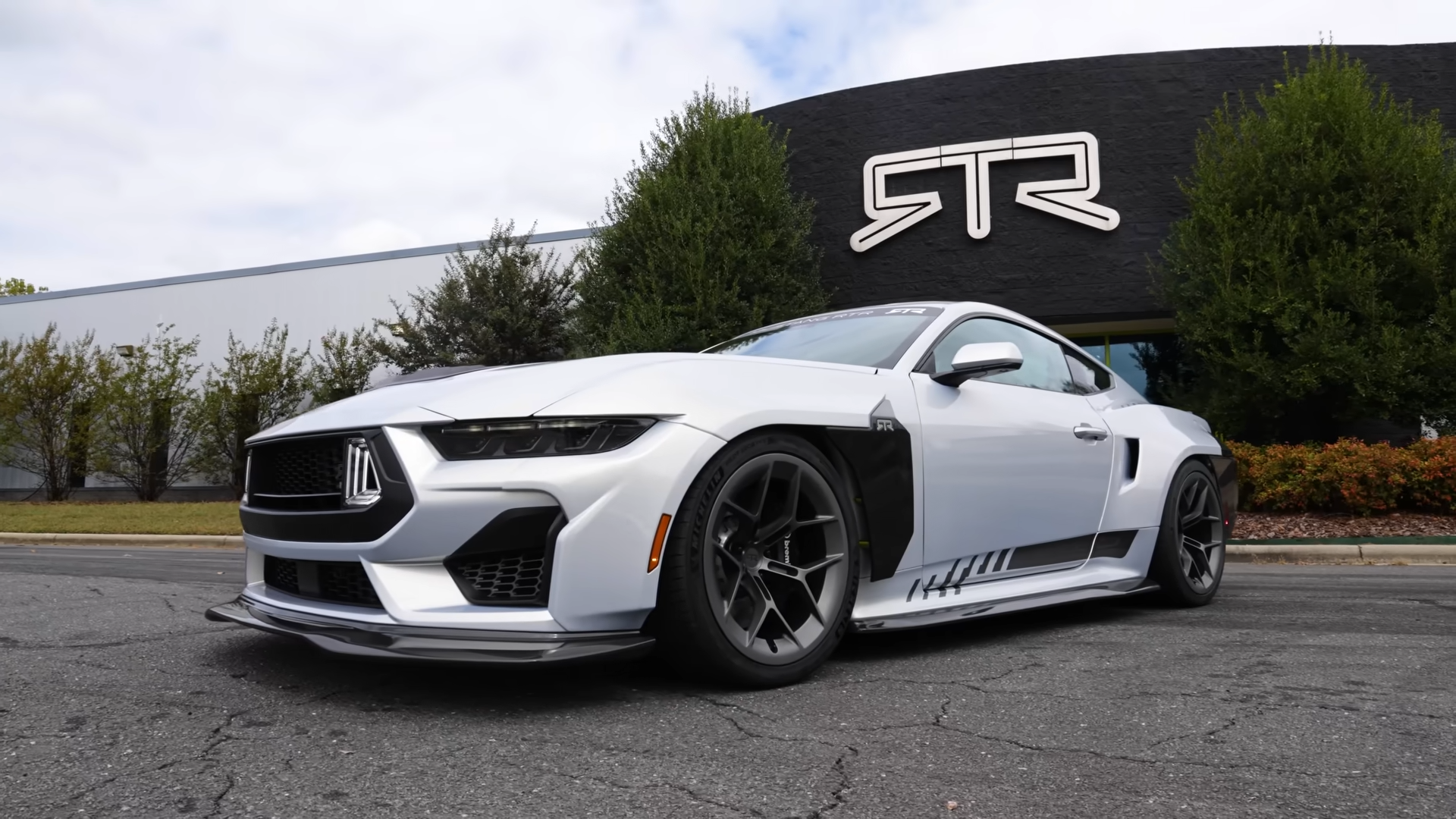
You are with me in the Ford Mustang RTR Spec 5, a modern take on a car built to drive hard and feel special. RTR started as a new name, but it grew into a brand known for skill, motorsports work, and a bold style that sets it apart from other Mustang builders.
You get a car that blends strong power, careful tuning, and real attention to detail. It keeps the feel of a traditional Mustang while adding smart upgrades that improve sound, grip, comfort, and daily drive use.
Key Takeaways
- You experience strong power with balanced control.
- You see careful design inside and out.
- You get a car built through steady testing and growth.
Overview of the Ford Mustang RTR Spec 5
How RTR Built Its Mustang Identity
You are driving a Mustang from RTR, which means Ready to Rock. Von Gittin Jr. created the brand, and you can feel its focus on drifting, hooning, and track use.
RTR started as the new name in the Mustang space, competing with builders like Roush and Saleen. Over time, you saw it grow into the fun-focused Mustang brand with a real motorsports background.
What the S650 Chassis Brings to This Car
You get the S650 Mustang platform with a supercharged 5.0L Coyote V8. A 3.0L Whipple blower runs pump gas and delivers 870 horsepower and 660 lb-ft of torque, paired with a six-speed manual.
Key hardware you experience:
| Feature | Detail |
|---|---|
| Engine | 5.0L Coyote V8 |
| Supercharger | 3.0L Whipple |
| Transmission | 6-speed manual |
| Tires | 305 front / 315 rear |
You also see composite and carbon body parts with no exposed rivets. The side skirts shape airflow and help with brake cooling.
Where It Sits in the Mustang Lineup
You can place this car between the Dark Horse and the GTD. You get extreme power like the GTD, but with a traditional layout and a manual feel closer to the Dark Horse.
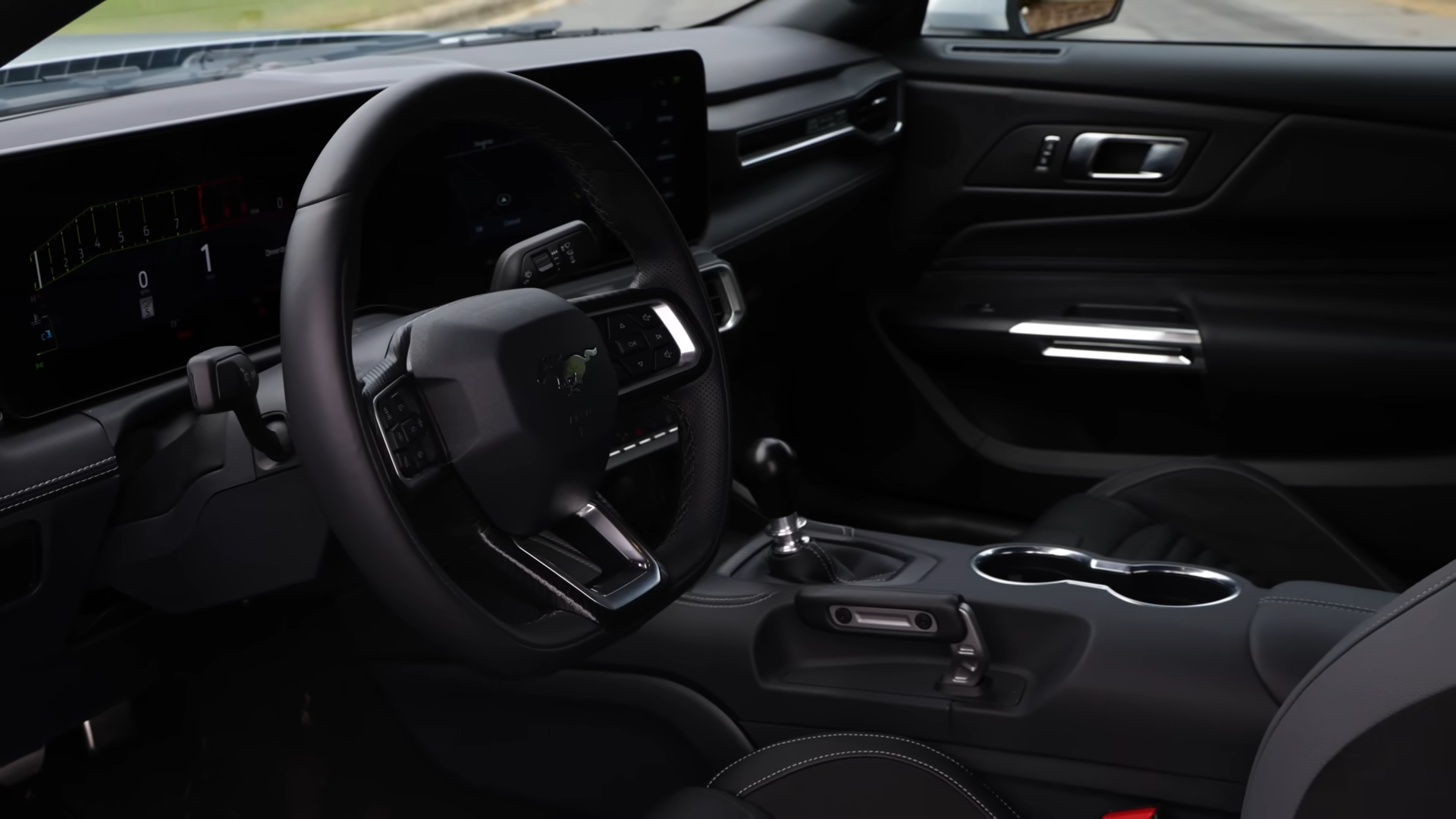
The S650 interior feels more refined than past Mustangs. You sit in Recaro seats with RTR stitching, and you notice serial number plaques and details on the Whipple itself. The car feels engineered as a full package, not a parts build.
Performance and Engine Specifications
Reworked 5.0‑Liter Coyote V8
You get Ford’s 5.0‑liter Coyote V8 as the core of this build. The engine delivers strong pull across the rev range and stays smooth at low RPM. It feels natural to drive in normal traffic and stays calm until you lean into the throttle.
3.0‑Liter Whipple Supercharger Setup
A 3.0‑liter Whipple supercharger sits on top of the V8 and runs on pump gas. RTR uses a smaller pulley to raise output, and the blower delivers a clean, steady rush as it spins up. You hear the supercharger without harsh noise, even during light throttle.
Horsepower and Torque Figures
This setup makes 870 horsepower and 660 lb‑ft of torque out of the box. Power builds hard in the upper RPM range and keeps pulling without falling off. Despite the numbers, you can still drive it smoothly below boost.
| Output Type | Rating |
|---|---|
| Horsepower | 870 hp |
| Torque | 660 lb‑ft |
| Fuel | Pump gas |
Six‑Speed Manual Gearbox
A six‑speed manual sits right behind the engine. The clutch feels light and easy, not stiff or grabby like many high‑power builds. If you know how to drive a manual Mustang, you can handle this car at low speeds with confidence.
Chassis, Rubber, and Ride Setup
Tire Sizing and Fitment
You get a wide tire setup that helps the car put power down. The front runs 305-width tires, while the rear steps up to 315-width tires.
| Position | Tire Width |
|---|---|
| Front | 305 mm |
| Rear | 315 mm |
This wide stance gives you more grip without making the car feel nervous.
Cornering Feel and Road Behavior
You feel strong turn-in for a street-focused car. Even with big power, the car stays calm when you roll into the throttle.
It hooks up better than you expect, especially outside of first gear. At low RPM, it drives in a natural and predictable way.
Suspension Development and Setup
You can tell the suspension tuning went through real testing. The car feels sorted, not stiff or race-focused.
Below boost, it drives like a well-balanced performance Mustang. It handles cleanly on the street without feeling like a track-only build.
Exhaust and Sound Engineering
Partnership With Borla
You get a system built with Borla after heavy testing and tuning. You can hear the work right away when the car approaches. The goal stays clear: shape the sound, not just make it louder.
What you notice
- No straight-pipe setup
- Careful research and testing
- Clean tone across low and high RPM
Distinctive Sound Character
You hear a deep and forceful V8 note without harsh edges. The engine avoids the sharp rasp common on many Coyote builds. Under throttle, the supercharger adds just enough whine to match the power.
Sound traits you experience
- Throaty and strong
- Smooth while cruising
- Aggressive under load
How It Sounds Next to Other Mustangs
You can tell this car apart the moment it drives by. Compared to other Mustangs, it sounds more refined and complete. It keeps the muscle car feel without the noise issues you often hear elsewhere.
| Mustang Type | Typical Sound | Spec 5 Sound |
|---|---|---|
| Mustang GT | Loud, can be raspy | Deep and smooth |
| Dark Horse | Sharp and sporty | Fuller and heavier |
| Modified Coyote | Often harsh | Controlled and clean |
Exterior Design and Aerodynamics
Advanced Composite and Carbon Materials
You get body panels made from composite and carbon parts instead of metal add-ons. These pieces replace factory panels rather than stacking parts on top. The carbon side skirts stand out, so you need to watch your step when you get out.
Key exterior materials
- Carbon fiber side skirts
- Composite body panels
- Carbon accents integrated into the design
Clean Body Lines Without Exposed Fasteners
You see a wide stance without bolts or rivets showing. The panels flow together, so the car looks smooth instead of patched on. This approach makes the body feel more like a factory-built shape.
Design details
- No visible rivets
- No exposed mounting hardware
- Smooth transitions between panels
Functional Aero and Cooling Details
You benefit from parts that do more than look good. The side skirts curve inward to guide airflow along the car. Built-in ducts help move air to the brakes and improve stability at speed.
Aero features
- Curved rocker panels for airflow
- Integrated brake cooling ducts
- Wide tires supported by the body shape
| Area | Purpose |
|---|---|
| Side skirts | Manage airflow along the sides |
| Ducting | Improve brake cooling |
| Body shape | Support wide front and rear tires |
Interior Features and Comfort
Recaro Seats with Custom Stitching
You sit in Recaro sport seats that feel supportive and well-shaped. RTR adds embroidered branding to the seatbacks, which gives the cabin a custom look without feeling overdone.
Improved Cabin Materials
You notice better interior materials compared to older Mustangs. The S650 cabin feels more solid and refined, with trim that looks and feels higher quality than before.
Driver-Centered Layout and Controls
You get a car that feels easy to manage from the driver’s seat. The manual transmission and clutch feel light and natural, even at low RPM, so daily driving does not feel stressful. Small details, like serial number plaques, add to the sense that the car was built with care for the driver.
Driving Experience and Usability
Low-Speed Power Control
You can cruise at low engine speed without stress. Even with massive power, the car feels calm when you stay out of boost.
Below higher revs, it drives like a well-sorted Mustang, not a wild build that fights you.
- Smooth response at low RPM
- Predictable throttle in traffic
- No sudden surge unless you ask for it
Clutch Feel and Gear Changes
You get an easy clutch that works right away. It does not feel stiff or harsh like many high-power setups.
If you already know how to drive a manual Mustang, you adapt fast.
What you notice most:
- Light clutch effort
- Clean downshifts
- No awkward grab or chatter
Street-Friendly Behavior
You can drive this car every day without feeling worn out. It hooks up better than expected thanks to the wide tires.
When you press the throttle, it goes forward instead of spinning.
| Situation | What You Feel |
|---|---|
| Normal cruising | Quiet, stable, controlled |
| Corner exit | Strong pull with grip |
| Highway speed | Fast acceleration without drama |
You still need skill and respect for the power. The car stays composed and easy to read when you stay focused.
How This RTR Spec 5 Stacks Up Against Other Mustangs
Spec 5 Compared With the GTD
You deal with a very different experience than the GTD. The GTD costs far more and stays hard to buy, while this car keeps a standard S650 layout.
The GTD uses a transaxle and drives in a unique way. This car keeps a classic front-engine setup with a six-speed manual, so it feels more raw and familiar.
Quick contrast
| Area | RTR Spec 5 | Mustang GTD |
|---|---|---|
| Layout | Traditional S650 | Transaxle |
| Availability | Far easier to get | Very limited |
| Feel | Raw, manual | Very different driving style |
Spec 5 Set Against the Dark Horse
You feel a clear link to the Dark Horse when you drive this car. Both share a manual feel that stays natural at low RPM.
This car adds extreme power while keeping control. You get the wild pull you expect, but it still drives clean and predictable, much like a well-sorted Dark Horse.
- Manual transmission feel
- Easy clutch engagement
- Stable handling below boost
Spec 5 Versus GT and EcoBoost
You cannot fairly line this up against a GT or EcoBoost. The power level alone puts it in a different space.
You notice how calm it feels despite the output. If you can drive a stick and handle a Mustang, you can manage this car at normal speeds without stress.
Driving feel
- GT and EcoBoost: mild and approachable
- Spec 5: extreme power with surprising control
Precision Touches and Standout Details
Hidden Signatures and Numbered Badges
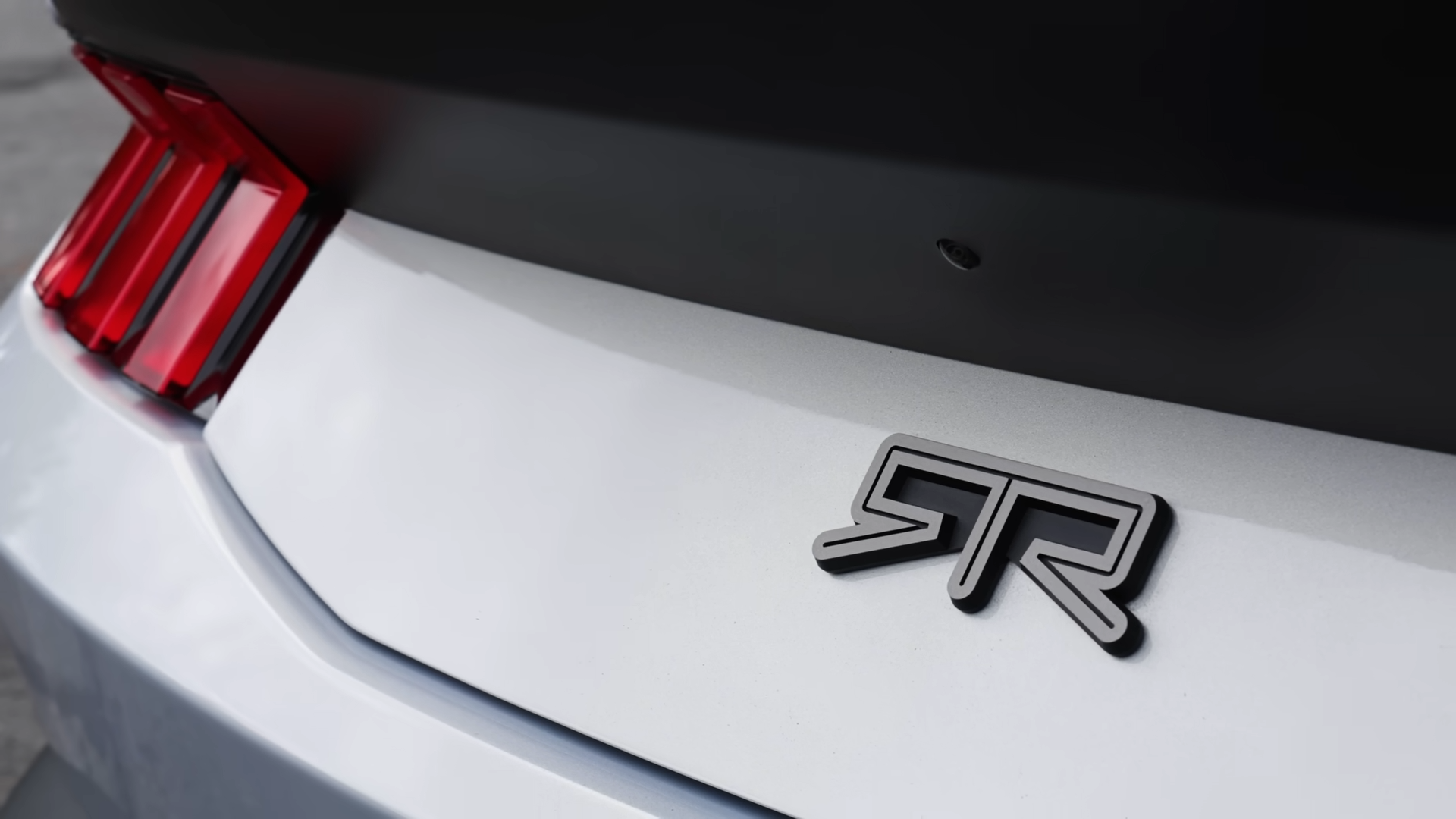
You notice small touches that make the car feel personal. RTR adds numbered plates that show your specific build.
You also see branding details placed in subtle spots that reward a closer look.
- Serial plaques tied to your car
- Matching RTR marks that feel intentional, not flashy
Under-the-Hood Craftsmanship
When you look into the engine area, the focus stays on function and finish. The 3.0L Whipple supercharger carries its own marked plate, which adds to the sense of purpose.
RTR uses a smaller pulley on the blower to reach the stated power figures while staying on pump gas.
| Component | Notable Detail |
|---|---|
| Supercharger | Labeled Whipple unit |
| Pulley setup | Reduced size for added output |
| Exhaust system | Tuned with Borla for a deep, clean sound |
Practical Care and Awareness
You need to stay aware of a few things when driving and owning this car. The carbon side skirts look great, but you must avoid stepping on them when getting out.
Even though the clutch feels light and street friendly, the power level still demands respect if you push the car.
- Watch your footing near exposed carbon parts
- Treat the throttle with care, especially in lower gears
- Remember that high power still carries real risk if mishandled
Research, Development, and Evolution
Ongoing Refinement
You can feel that this car did not happen by accident. You can tell the team went back to the drawing board and kept adjusting details until it felt right.
You notice it in how the power comes in, how the clutch feels, and how natural the car is at low RPM. It drives like a finished package, not a pile of parts.
Lessons From Track Time
You know this setup keeps changing because the car still goes to the track. You can hear that they test, learn, and come back to improve it again.
That work shows in how the car hooks up and stays calm under power. Even with 800+ horsepower, you do not fight the car all the time.
Built Like a Factory Car
You feel like you are driving something closer to an OEM product than a modified Mustang. The way it turns in and rides reminds you of a well-sorted Dark Horse, not a race car.
Below boost, it feels clean and controlled. That balance makes it feel engineered as a whole, not upgraded piece by piece.
Closing Impressions and Viewer Discussion
You can feel that this car reflects careful work, not rushed choices. You notice the balance between huge power and easy driving, especially at low RPM with a friendly clutch. It feels complete, not like a base car with parts added later.
You also see the small details that make it special. The serial plaques, the Whipple blower badge, and the RTR Recaro seats add a clear sense of purpose. The carbon body pieces look clean with no exposed hardware, which gives the car a smooth shape in person.
Key points you should think about while watching:
- 870 horsepower on pump gas with a manual gearbox
- Wide tires that help the car hook and stay calm
- An exhaust tone that sounds deep, not raspy
- Street manners that stay natural when off boost
I want you involved in the conversation:
- Do you like the boxier look of this generation?
- Do you prefer the hidden hardware over older widebody styles?
- If you had to pick one Mustang generation, which one would you choose?
Drop your thoughts in the comments and share what stands out to you.