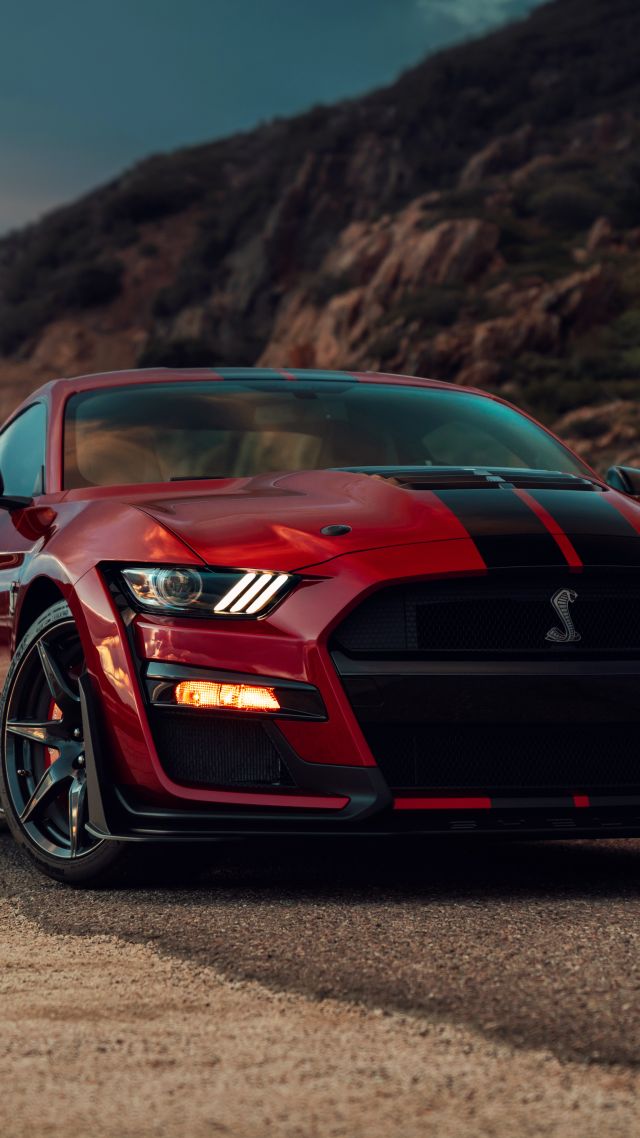

You see plenty of Mustang GTs at car meets, and they already make strong power. You can pay more for factory upgrades and get small gains, but that path still leaves limits. You start to ask what happens when you stop chasing tiny numbers and aim far higher.
You look at an RTR Spec 3 because it promises extreme power with street manners and a full package to match. You want to know what it is, how it differs from other high-end Mustangs, and whether it makes sense to own one. That is the question you are here to answer.
Key Takeaways
- You explore a Mustang built to push far beyond factory limits.
- You learn how power, tuning, and hardware work together.
- You consider cost, daily use, and long-term ownership.
RTR Spec 3 Overview
Power and Mechanical Changes
You get a major jump in output with this package. A 3.0L Whipple supercharger from Ford Performance sits on the Coyote V8 and pushes power to 810 horsepower and 615 lb-ft of torque. The blower is larger than the unit used on the GT500.
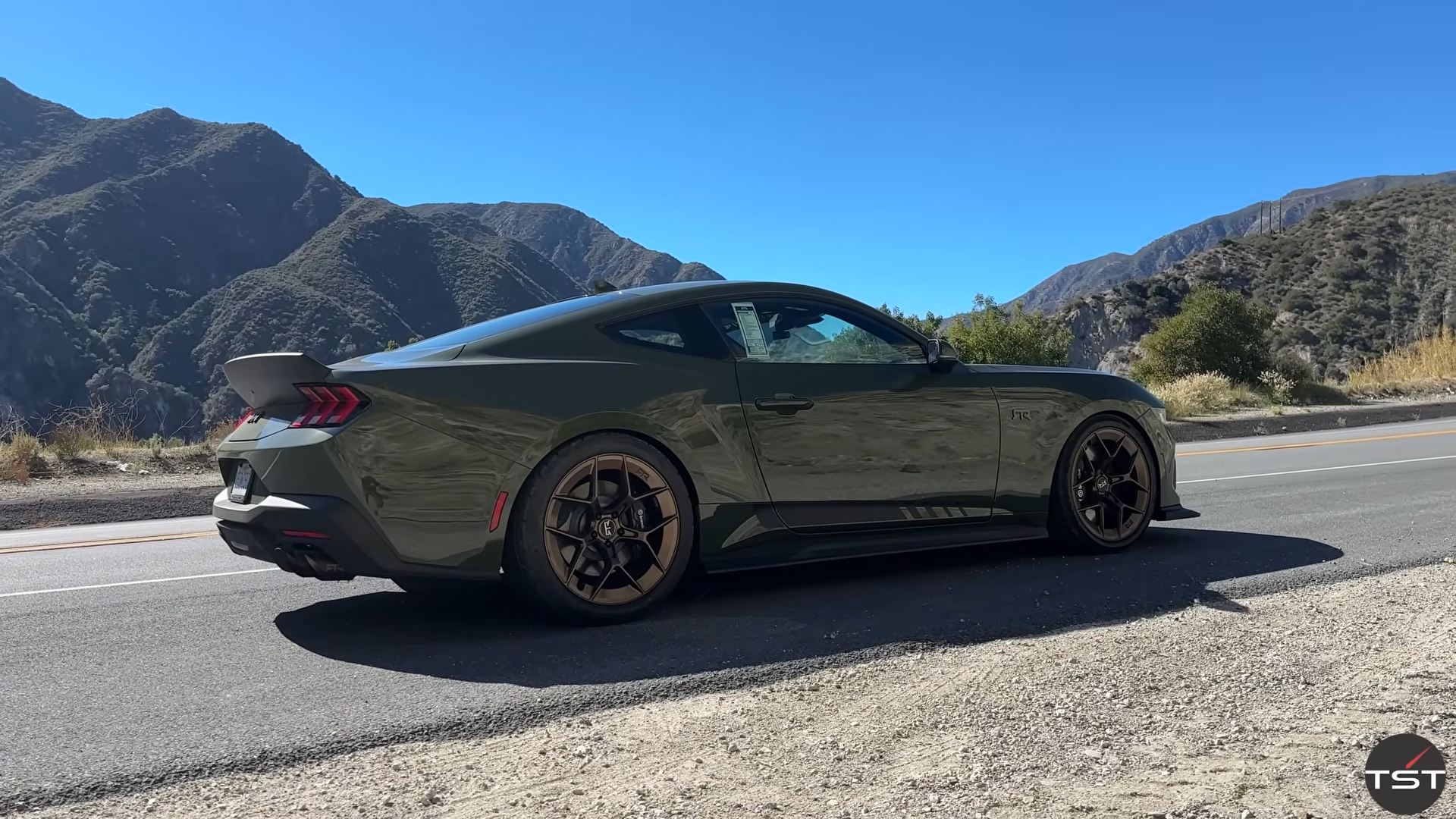
Cooling and grip matter at this level. You also get added aero parts, ducting, and vents to manage heat and keep the car stable. The suspension comes from RTR Tactical Performance with adjustable shocks, struts, sway bars, and lowering springs, so you can tune how the car rides and handles.
Exterior and Visual Changes
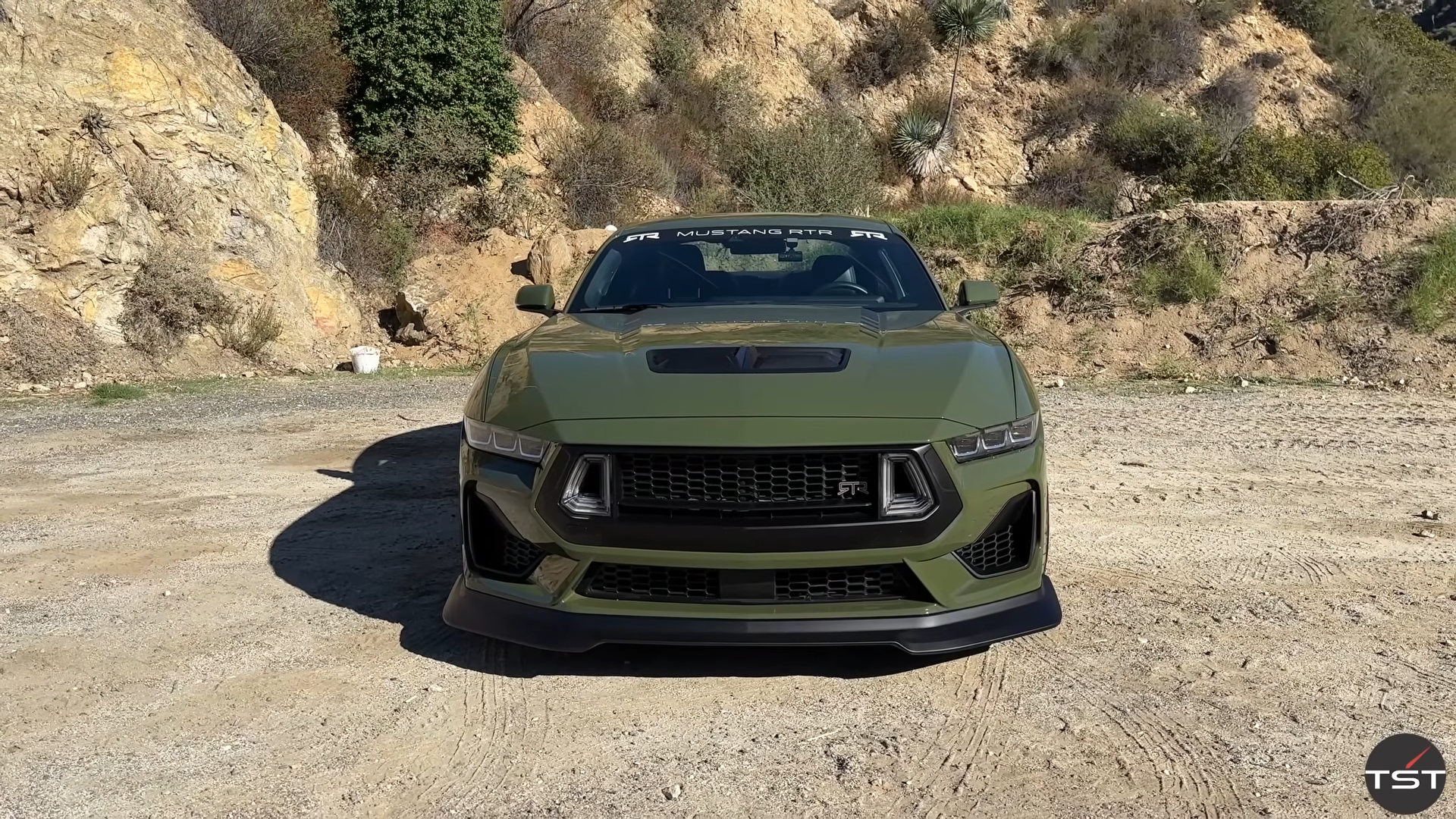
You can spot this car next to a normal GT without trying. The body gets splitters, vents, and other aero pieces that change both looks and function. These parts help airflow and cooling, not just style.
Wheel and tire setup supports the power. You run 275 tires up front and 295 tires in the rear, giving the car a wide and aggressive stance.
How the RTR Packages Compare
You have three RTR levels, and each one builds on the last.
| Package Level | What You Get |
|---|---|
| Entry RTR Package | Appearance upgrades, wheels, tires, and lowering springs |
| Mid-Level RTR Package | All entry parts plus aero, sway bars, adjustable shocks, and more |
| Top-Tier RTR Package | Full build with the Whipple supercharger, full suspension, and extensive aero |
If you want looks, the first level does that. If you want handling, the middle level covers it. If you want extreme power with a warranty, this top package delivers it.
Engine and Powertrain

3.0‑Liter Whipple Supercharger Setup
You get a large 3.0‑liter Whipple supercharger from Ford Performance under the hood. It is bigger than the unit used on the GT500. The intake system is also oversized, and RTR adds cooling ducts and vents to manage heat during hard driving.
Horsepower and Torque Comparison
With this setup, you are looking at 810 horsepower and 615 lb‑ft of torque. A standard 2025 Mustang GT makes 486 horsepower and 418 lb‑ft of torque.
| Vehicle | Horsepower | Torque |
|---|---|---|
| Mustang GT | 486 hp | 418 lb‑ft |
| RTR Spec 3 | 810 hp | 615 lb‑ft |
You feel strong acceleration, though heat, altitude, and road conditions can limit full output.
Coyote V8 Durability
This build shows how strong the Coyote V8 really is. You are running high boost without the special internal parts found in the GT500. Even so, the car keeps a warranty while making over 800 horsepower.
Power Compared With Rival Cars
You do not get the same instant punch as a Corvette Z06, which is lighter and quicker to 60 mph. A GT500 tested in 2022 ran a mid‑11 second quarter mile, and adding more power here does not close that full gap. Against cars like a McLaren 750S, weight and layout still play a big role in how fast the car feels.
Suspension and Handling
Tunable Dampers and Anti-Roll Bars
You get adjustable shocks, struts, and sway bars from RTR Tactical Performance. You can dial in the ride to match your taste, though the shocks need a key to adjust. The setup feels well chosen, so you may not want to change it.
Tire Sizes and Wheel Fitment
The car runs 275 tires up front and 295 in the rear with tall sidewalls. They offer strong grip and help the car carry speed. On the highway, it tracks straight and does not tramline.
Tire layout
- Front: 275
- Rear: 295
Ride Quality on the Street
You feel a comfortable ride on rough freeways with no harsh jolts. In the canyons, the suspension firms up just enough. You get some body roll, but it stays controlled and never feels sloppy.
Brake Feel and Stopping Power
You press the pedal and the brakes bite early. The Brembos handle the car’s weight well and inspire confidence. Pedal feel stays consistent during hard driving.
Steering Feel and Driver Input
You do not get much feedback through the wheel. You can’t clearly feel what the front tires are doing, and that limits confidence. This seems tied to the factory steering system, not the RTR parts.
Interior and Ergonomics
Displays and Media Controls
You get large digital screens that are easy to read while driving. You find them useful day to day, and they do not distract you.
Right below the screen, the physical button panel flexes when you press it. When you push one button, others move with it, which feels cheap next to the screen above it.
Seats and Ride Comfort
The ride feels comfortable on rough freeways and does not beat you up. In corners, the body stays controlled without feeling harsh.
The seats do not hold you in place during hard turns. You end up bracing with your legs to stay centered.
Steering Wheel, Shifter, and Pedals
You notice very little steering feedback through the wheel. You cannot feel what the front tires are doing, and that limits confidence.
The RTR shift knob feels solid in your hand. The manual gearbox engages smoothly and feels better than many newer setups, even if it lacks a sharp, mechanical click.
RTR Brand and Vaughn Gittin Jr.
How RTR Stacks Up Against Shelby and Roush
You see RTR in the same lane as Shelby and Roush when it comes to Ford-backed performance brands. They play a similar role in how Ford markets high-performance Mustangs.
I look at it this way: Shelby, Roush, and RTR all add a clear identity beyond a standard GT. Each one uses a named builder and a focused parts list to signal intent.
| Brand | Core Role | Visual Identity |
|---|---|---|
| Shelby | Factory-linked legacy performance | Badging and signature parts |
| Roush | Engineered upgrades and tuning | Distinct aero and wheels |
| RTR | Modern performance image | Aggressive styling and setup |
Vaughn Gittin Jr.’s Role in the RTR Cars
You can see Vaughn Gittin Jr.’s name on the dashboard, just like Carroll Shelby used to do. That detail matters because it ties the car to a real driver and builder.
From your seat, it feels intentional rather than random branding. You understand why his signature is there once you drive the car and feel how the parts work together.
What Makes an RTR Stand Out
You notice the changes right away when you park this next to a normal Mustang GT. The visual updates and hardware go far beyond wheels and springs.
Key elements you experience include:
- RTR Tactical Performance suspension with adjustable shocks and sway bars
- Large Ford Performance Whipple supercharger making 810 horsepower
- Functional aero parts like splitters, vents, and ducting
- RTR-branded details, including the shift knob and interior touches
These parts work as a system, not as random add-ons. You feel that balance when you drive it on the street and push it in the canyons.
Pricing and Value
How the Cost Stacks Up
You start with a standard Mustang GT, then you can pay about $15,000 more to move up to a Dark Horse for a small drop in 0–60 time. From there, the RTR lineup adds layers of parts, with Spec 3 focused on major performance gains rather than small time savings.
I frame the value around power per dollar. This car targets buyers who want output that competes with cars like a GT500 or Z06, without buying a new platform.
Comparing a Stock GT500 to This Build
A GT500 delivers strong straight-line results, but testing shows it still runs a mid‑11 in the quarter mile. This setup adds more horsepower than a GT500, but you should not expect it to erase that gap in the 1320.
You trade factory integration for higher peak power. You also keep the familiar Mustang size and weight, which shapes how that power feels on the road.
What to Think About Before You Buy
You can choose Spec 1 or Spec 2 if you want looks, suspension, and aero without the supercharger. Spec 3 makes sense if you plan drag runs or want extreme output from the Coyote engine.
You should weigh where and how you drive. This level of power matters more on long straights than on daily commutes.
Coverage and Confidence
This car keeps a warranty while making 810 horsepower, which says a lot about the strength of the Coyote engine. You get big power without the custom internal work found in a GT500 motor.
That warranty adds real peace of mind. You can push the car knowing the build supports long-term use.
Living With the Car
### Everyday Use on Public Roads
You notice the ride stays calm on rough freeways and sharp joints. In the canyons, the suspension feels firm without being harsh, with small body roll and good control. You get clear screens that are easy to read, though the lower button panel flexes when pressed.
- Comfort: Balanced for daily driving
- Brakes: Strong Brembos with early bite
- Sound: Loud and aggressive under throttle
### Hard Driving at the Track or Strip
You feel close to the claimed power, but heat and altitude limit full output. Wheelspin shows up even with traction on, and straight-line speed feels strong but not shocking compared to lighter cars. The suspension and tires hide the weight well, yet the steering gives little feedback.
| Area | What You Feel |
|---|---|
| Acceleration | Very fast, but not explosive |
| Grip | High, with wide tires |
| Steering | Light on feedback |
### Who This Car Fits Best
You fit this car if you want huge power with a warranty and street comfort. It suits drag runs and high-speed driving more than tight, feel-focused roads. If you value steering feedback above all else, you may feel let down.
- Best for power-focused drivers
- Works for daily use and weekend runs
- Less ideal for those who want sharp steering feel
Conclusion
You sit in a Mustang that pushes far past stock numbers. The 3.0L Whipple supercharger lifts output to 810 horsepower and 615 lb-ft of torque, backed by visible and hidden cooling and aero changes that keep heat and grip in check.
| Key Figures | What You Get |
|---|---|
| Power | 810 hp, 615 lb-ft |
| Engine | Coyote V8 with Ford Performance Whipple |
| Weight | About 3,800 lb |
| Tires | 275 front / 295 rear |
| Brakes | Brembos with a firm, early bite |
You feel strong pull, even at 4,000 ft and warm weather, though conditions hold it back from full output. The ride stays livable on rough freeways, then tightens up in the canyons with controlled body motion and solid grip from the wide tires.
The suspension tuning works as delivered. Adjustable shocks and sway bars give range, but the current setup tracks straight, avoids tramlining, and carries speed with confidence. Braking inspires trust, and the manual shifter feels precise without being harsh.
You still deal with familiar Mustang limits. Steering feedback stays muted, and the seats do not hold you firmly in corners. Despite that, the car hides its mass well and proves how durable the Coyote can be with a blower, a warranty, and power that rivals far more expensive machines.