

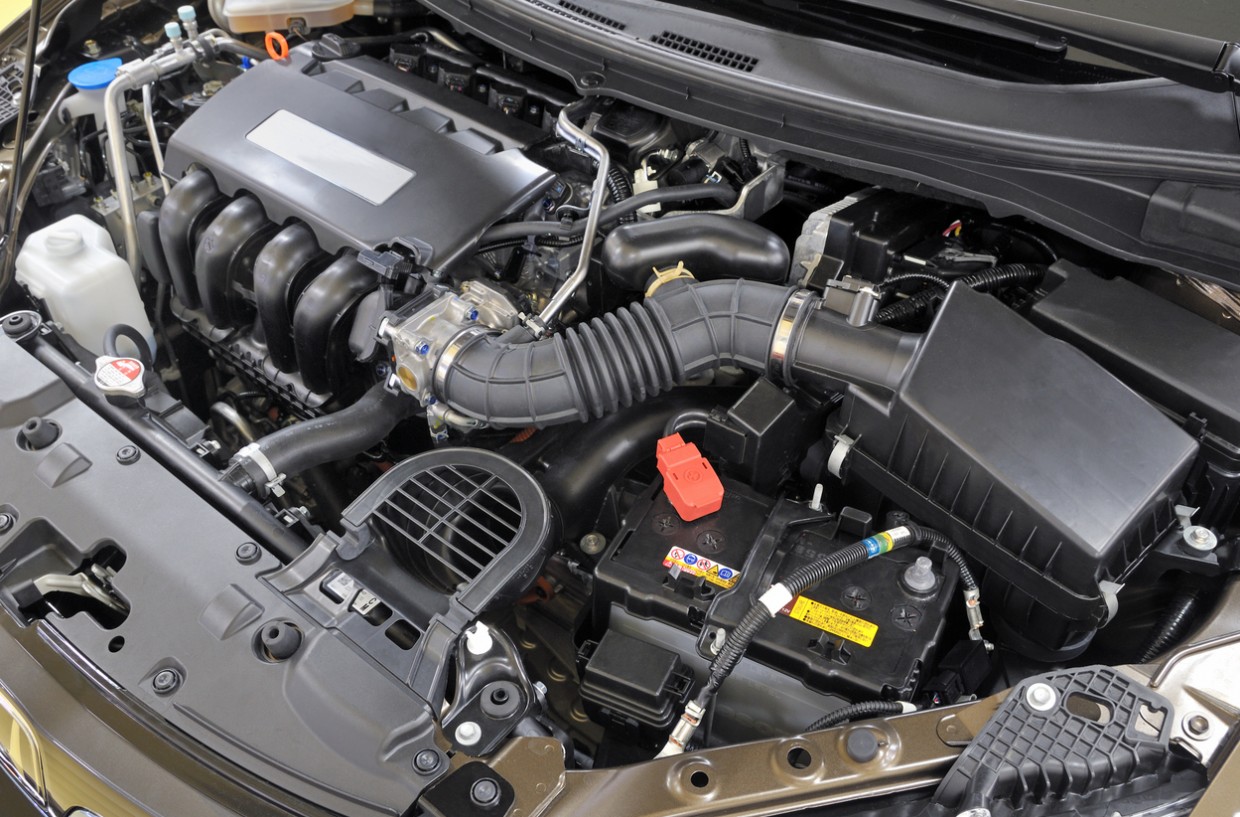
Modern Mustangs deliver impressive horsepower figures that would have seemed impossible just a generation ago. The current GT’s 460 horsepower and the Dark Horse’s 500 horsepower represent remarkable engineering achievements. However, with increased engine power comes a fundamental shift in vehicle dynamics that every driver should understand. Florida’s unique driving environment, from sudden afternoon thunderstorms to congested tourist corridors, creates specific challenges for high-powered vehicles. Understanding how engine power influences driver control isn’t just about performance; it’s about safety, responsibility, and being prepared when the unexpected happens on the road.
The Physics Behind Power and Control
Engine power fundamentally changes how a vehicle responds to driver inputs. Higher horsepower doesn’t just mean faster acceleration; it alters weight transfer dynamics, tire loading, and the critical margin between controlled driving and loss of traction. Research from the Florida Department of Transportation indicates that average driver acceleration behavior shows significant variation based on vehicle capabilities and driver experience.
When a high-powered vehicle accelerates hard, weight transfers rearward, reducing front-tire grip and affecting steering response. This physics principle becomes critical in emergency maneuvers where drivers need maximum control. The same power that makes passing safer on highways can become a liability if drivers don’t understand how their vehicle’s weight shifts under hard acceleration or braking. Modern traction control systems help manage these forces, but they can’t overcome the laws of physics when drivers exceed their skill level or the available traction limits.
Florida’s Driving Conditions Amplify the Challenge
Florida presents unique challenges for performance vehicle owners. The state’s combination of year-round tourism, unpredictable weather patterns, and diverse road conditions creates scenarios that demand heightened awareness from drivers of powerful vehicles. According to the Florida Department of Highway Safety and Motor Vehicles, the state recorded over 381,000 traffic crashes in recent years, with thousands of fatalities occurring on Florida roads annually.
Summer thunderstorms can transform road surfaces in minutes, dramatically reducing available traction. A road that provided excellent grip moments earlier can become treacherous when rain mixes with accumulated oils and debris. High-powered rear-drive vehicles like Mustangs require extra caution during these conditions, as sudden throttle application on wet pavement can quickly overwhelm tire grip. Orlando’s mix of interstate highways, tourist-heavy areas, and residential neighborhoods means drivers encounter rapidly changing traffic patterns that require constant adaptation.
The state’s diverse driver population, from experienced locals to first-time visitors unfamiliar with Florida’s roads, creates additional complexity. A performance vehicle’s quick acceleration can surprise other drivers who may not anticipate how rapidly you can close gaps in traffic. This reality demands defensive driving strategies and constant awareness of surrounding vehicles’ behavior.
Legal Considerations When Accidents Occur
When accidents involve high-powered vehicles, insurance investigators and accident reconstruction specialists pay close attention to how engine performance may have contributed to the incident. Florida follows a modified comparative negligence system, meaning that if excessive speed or aggressive acceleration contributed to a crash, it can significantly impact liability determinations and compensation outcomes.
Vehicle control is a critical factor in accident investigations. The National Highway Traffic Safety Administration tracks various factors in crash causation, and loss of vehicle control consistently appears as a contributing factor. When a powerful vehicle is involved, investigators examine whether the driver’s actions exceeded their ability to maintain control given the road conditions, traffic situation, and vehicle capabilities.
If you’re involved in an accident in central Florida, understanding your legal rights becomes essential. Florida collision claim attorneys can help navigate the complex process of accident investigation, insurance claims, and liability determination. They understand how vehicle performance characteristics factor into accident analysis and can protect your interests when dealing with insurance companies that may attempt to assign disproportionate blame based on your vehicle’s capabilities rather than the actual circumstances of the crash.
Managing Power Responsibly
Responsible ownership of a high-powered vehicle starts with understanding your car’s capabilities and your own skill limitations. Track day events and performance driving schools offer controlled environments where you can explore your vehicle’s limits without public road risks. These experiences teach you how your Mustang responds under hard acceleration, heavy braking, and aggressive cornering, knowledge that proves invaluable in emergency situations.
Modern Mustangs include sophisticated safety systems, including advanced traction control, electronic stability control, and selectable drive modes. Understanding how these systems work and when to rely on them versus manual control separates confident drivers from those who simply have powerful cars. Weather conditions should always influence your driving style. The same car that feels planted on dry pavement requires significantly different inputs when roads are wet or contaminated.
Regular maintenance becomes even more critical with high-powered vehicles. Tire condition, brake performance, and suspension components all work harder in performance applications. Worn tires or degraded brake fluid can turn a manageable situation into an accident, particularly when combined with weather challenges or unexpected traffic situations.
Understanding Your Rights and Responsibilities
Power brings both exhilaration and responsibility. Florida’s roads demand respect regardless of what you drive, but high-powered vehicles require additional awareness of how your car’s capabilities affect both your driving and how others perceive your actions on the road. When accidents happen, even when you’ve driven responsibly, having knowledgeable legal representation ensures your side of the story is properly understood and your rights are protected.
The relationship between engine power and accident risk isn’t about demonizing performance vehicles. It’s about recognizing that capability requires skill, conditions matter, and understanding both the physics and legal landscape helps you enjoy your vehicle while staying safe. Whether you’re driving a classic Fox Body or the latest 500-horsepower Dark Horse, respecting your car’s power and Florida’s challenging driving environment keeps you, your passengers, and other road users safe.